THE ADVENTURE COLLECTIVE® · Independent discovery and booking for outdoor travel

Explore Jakarta’s religious and cultural landmarks on a focused half‑day tour that links Istiqlal Mosque, the Jakarta Cathedral, Monas, and traditional batik shopping. Expect broad plazas, colonial architecture, and practical tips for respectful site visits.
Explore Jakarta’s religious and cultural landmarks on a focused half‑day tour that links Istiqlal Mosque, the Jakarta Cathedral, Monas, and traditional batik shopping. Expect broad plazas, colonial architecture, and practical tips for respectful site visits.
Stepping out onto the broad plaza beside Merdeka Square, the city’s pulse is immediate: traffic hums, street vendors call, and the domes of Istiqlal and the spires of the Jakarta Cathedral hold a quiet standoff across an open courtyard. This half-day tour threads those contrasts together—monumental faith, colonial architecture, and the patterned patience of batik craft—so you move from sacred space to market stall with the sense you’re witnessing a civic conversation.
Verified experiences and guided adventures in the surrounding area.
Operated by Dwi Sulistyo Montero · Jakarta, DKI Jakarta
Stepping out onto the broad plaza beside Merdeka Square, the city’s pulse is immediate: traffic hums, street vendors call, and the domes of Istiqlal and the spires of the Jakarta Cathedral hold a quiet standoff across an open courtyard. This half-day tour threads those contrasts together—monumental faith, colonial architecture, and the patterned patience of batik craft—so you move from sacred space to market stall with the sense you’re witnessing a civic conversation.
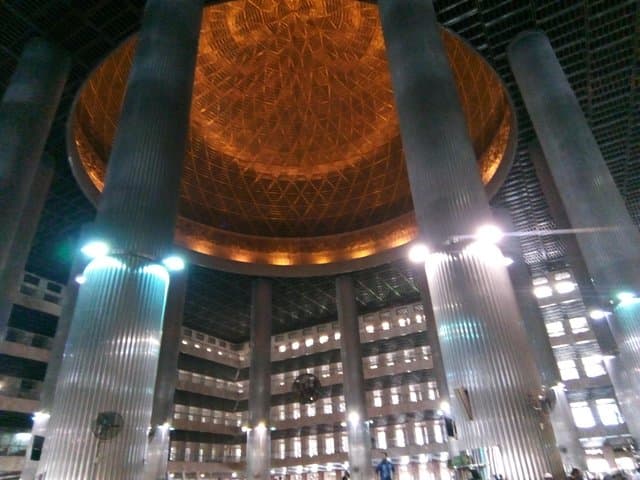
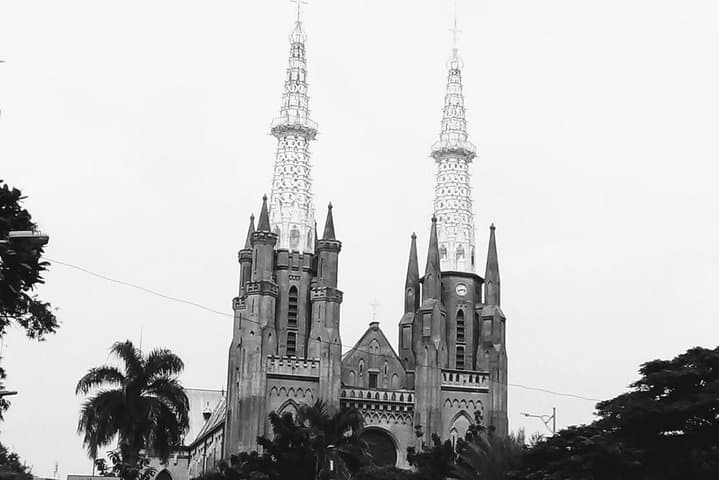
Istiqlal Mosque, opened in 1978 to mark independence, is one of Southeast Asia’s largest mosques; its scale and modernist concrete architecture speak to post-colonial nation-building. Opposite, the neo‑Gothic cathedral, consecrated in 1901, is a reminder of Jakarta’s Dutch-era past. The National Monument (Monas) looms nearby, set on an alluvial plain that has shaped Jakarta’s growth and its chronic flood and subsidence issues.
Local life centers on ritual, commerce, and daily dress: batik remains official wear for many offices and is both art and identity. The batik shops visited on this route are rooted in Central Java traditions and are practical places to see craft techniques and buy a wearable souvenir.
Practical guidance: start early to beat traffic and midday heat; modest clothing and a scarf are required for mosque visits; comfortable shoes matter—you’ll be walking on paved plazas and market floors. Carry cash for small purchases, bring a charged phone and portable battery for photos, and plan for occasional noise and crowds. This is an accessible, culturally rich half‑day that balances monuments, history, and hands‑on culture.
easy.
6 hours.
Suitable for travelers with average mobility; involves multiple short walks and standing periods
The tour runs approximately six hours and typically covers Istiqlal Mosque, Jakarta Cathedral, a batik shop, and Monas diorama museum stops.
Mosque and cathedral visits are usually included as external or guided stops; some sites may not charge admission, but special areas (like Monas observation) may require separate fees.
Yes — modest attire is required for religious sites: shoulders and knees should be covered; women may be asked to wear a headscarf inside the mosque.
Yes — the itinerary is short and mostly on paved surfaces; however, it’s not recommended for those with serious back, heart, or pregnancy-related restrictions per the provider guidelines.
The juxtaposition of Istiqlal Mosque and Jakarta Cathedral reflects post-independence Indonesia’s official stance on religious plurality and national identity.
Central Jakarta faces challenges from air pollution, waste management, and land subsidence; travelers can help by minimizing single‑use plastics and supporting local, responsibly run shops.
Dwi Sulistyo Montero operates guided outdoor trips and adventures with an emphasis on safety, stewardship, and memorable experiences.
Stepping out onto the broad plaza beside Merdeka Square, the city’s pulse is immediate: traffic hums, street vendors call, and the domes of Istiqlal and the spires of the Jakarta Cathedral hold a quiet standoff across an open courtyard. This half-day tour threads those contrasts together—monumental faith, colonial architecture, and the patterned patience of batik craft—so you move from sacred space to market stall with the sense you’re witnessing a civic conversation.
Stepping out onto the broad plaza beside Merdeka Square, the city’s pulse is immediate: traffic hums, street vendors call, and the domes of Istiqlal and the spires of the Jakarta Cathedral hold a quiet standoff across an open courtyard. This half-day tour threads those contrasts together—monumental faith, colonial architecture, and the patterned patience of batik craft—so you move from sacred space to market stall with the sense you’re witnessing a civic conversation.
Istiqlal Mosque, opened in 1978 to mark independence, is one of Southeast Asia’s largest mosques; its scale and modernist concrete architecture speak to post-colonial nation-building. Opposite, the neo‑Gothic cathedral, consecrated in 1901, is a reminder of Jakarta’s Dutch-era past. The National Monument (Monas) looms nearby, set on an alluvial plain that has shaped Jakarta’s growth and its chronic flood and subsidence issues.
Local life centers on ritual, commerce, and daily dress: batik remains official wear for many offices and is both art and identity. The batik shops visited on this route are rooted in Central Java traditions and are practical places to see craft techniques and buy a wearable souvenir.
Practical guidance: start early to beat traffic and midday heat; modest clothing and a scarf are required for mosque visits; comfortable shoes matter—you’ll be walking on paved plazas and market floors. Carry cash for small purchases, bring a charged phone and portable battery for photos, and plan for occasional noise and crowds. This is an accessible, culturally rich half‑day that balances monuments, history, and hands‑on culture.