THE ADVENTURE COLLECTIVE® · Independent discovery and booking for outdoor travel

Explore the origins of the Harlem Renaissance on U Street NW in Washington, D.C. This two-hour guided walk visits historic theaters, clubs and writers’ homes while pausing at Ben’s Chili Bowl for a local taste of history.
Explore the origins of the Harlem Renaissance on U Street NW in Washington, D.C. This two-hour guided walk visits historic theaters, clubs and writers’ homes while pausing at Ben’s Chili Bowl for a local taste of history.
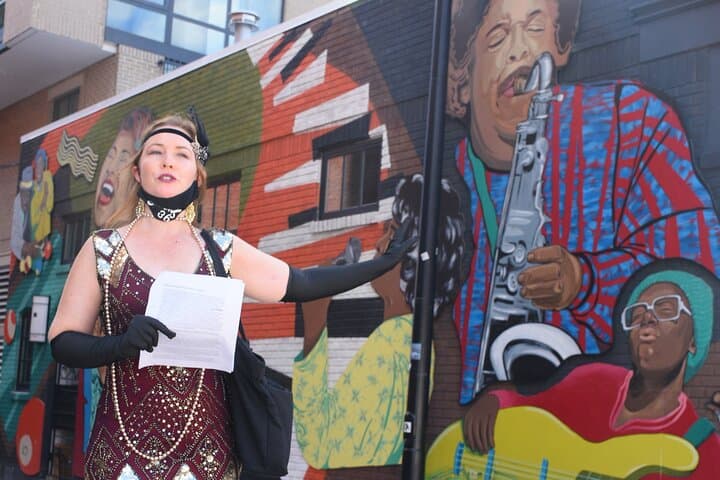
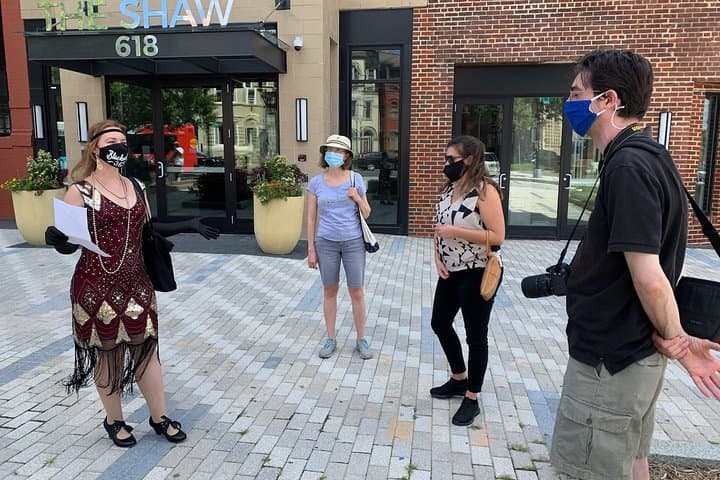
The morning light hits T Street NW and the city seems to hum — sidewalks waking, a saxophone memory folded into the bricks. This two-hour walking tour launches from the Howard Theatre and threads the U Street corridor, where jazz clubs, pool halls, and writers' rooms once defined a national cultural movement that germinated in Washington long before Harlem became shorthand for the era.
Verified experiences and guided adventures in the surrounding area.
Operated by Off the Mall Tours · Washington, DC
The morning light hits T Street NW and the city seems to hum — sidewalks waking, a saxophone memory folded into the bricks. This two-hour walking tour launches from the Howard Theatre and threads the U Street corridor, where jazz clubs, pool halls, and writers' rooms once defined a national cultural movement that germinated in Washington long before Harlem became shorthand for the era.
Walkers pass facades and plaques that mark Frank Holliday’s pool hall, Bohemian Caverns, and the home of Lilian Evanti, all landmarks in a district that gave rise to early jazz and a vigorous Black literary scene. Geologically, the route sits just inland of the Potomac fall line, where the city’s urban grid meets older bedrock; culturally it’s a seam where performance, politics and poetry met regularly in salons and nightclubs.
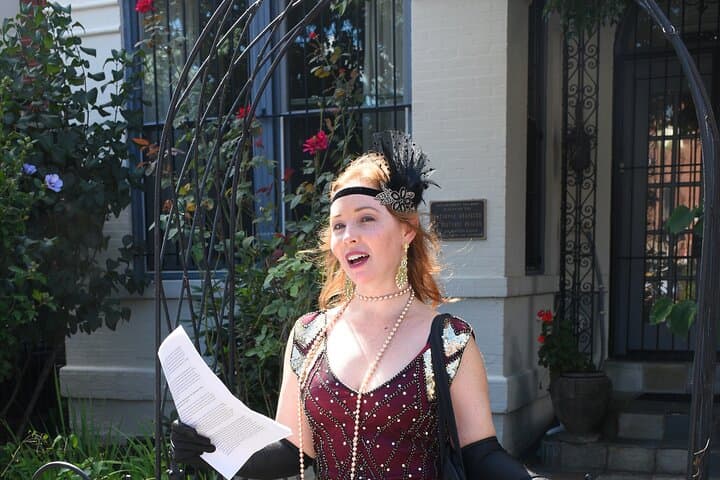
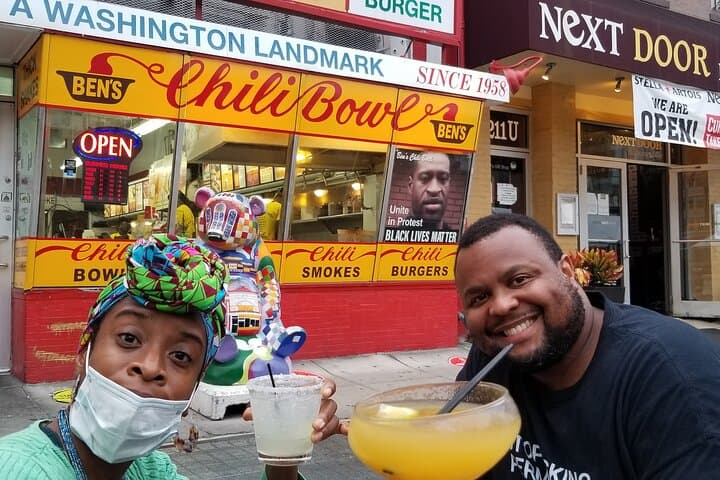
Along the way a guide frames Langston Hughes, Jean Toomer and the local organizers who documented African American life, while stopping for a mid-tour break at Ben’s Chili Bowl — a living piece of the neighborhood’s social history. The narrative balances music history, migration patterns and the activism that animated U Street through the 20th century.
Expect mostly paved sidewalks, short blocks, and frequent stops for storytelling. This is an accessible urban walk suitable for anyone who can handle a couple of hours on foot; bring comfortable shoes, a charged phone for photos, and an appetite for history. The tour is as much about listening as looking — let the past speak through the city’s streets.
moderate.
2 hours.
Comfortable for anyone who can walk for two hours with short pauses; moderate fitness recommended due to standing and walking.
The tour begins in front of the Howard Theatre on T Street NW and finishes near Georgia Douglas Johnson’s house (the Halfway House).
No; the tour stops at Ben’s Chili Bowl for optional refreshments and a restroom break, but food is not included in the ticket price.
Yes. The route and surfaces are wheelchair- and stroller-accessible, though participants should note there are occasional curbs and short street crossings.
Yes; families with older children who can handle two hours of walking will find the stories engaging, but organizers note it may not be suitable for very young children or pregnant visitors.
U Street NW was once called 'Black Broadway' — a thriving center for African American performance, business and intellectual life in the early 20th century.
The tour encourages use of public transit and respectful behavior around historic buildings; supporting local, long-standing establishments helps retain community character.
Off the Mall Tours operates guided outdoor trips and adventures with an emphasis on safety, stewardship, and memorable experiences.
The morning light hits T Street NW and the city seems to hum — sidewalks waking, a saxophone memory folded into the bricks. This two-hour walking tour launches from the Howard Theatre and threads the U Street corridor, where jazz clubs, pool halls, and writers' rooms once defined a national cultural movement that germinated in Washington long before Harlem became shorthand for the era.
The morning light hits T Street NW and the city seems to hum — sidewalks waking, a saxophone memory folded into the bricks. This two-hour walking tour launches from the Howard Theatre and threads the U Street corridor, where jazz clubs, pool halls, and writers' rooms once defined a national cultural movement that germinated in Washington long before Harlem became shorthand for the era.
Walkers pass facades and plaques that mark Frank Holliday’s pool hall, Bohemian Caverns, and the home of Lilian Evanti, all landmarks in a district that gave rise to early jazz and a vigorous Black literary scene. Geologically, the route sits just inland of the Potomac fall line, where the city’s urban grid meets older bedrock; culturally it’s a seam where performance, politics and poetry met regularly in salons and nightclubs.
Along the way a guide frames Langston Hughes, Jean Toomer and the local organizers who documented African American life, while stopping for a mid-tour break at Ben’s Chili Bowl — a living piece of the neighborhood’s social history. The narrative balances music history, migration patterns and the activism that animated U Street through the 20th century.
Expect mostly paved sidewalks, short blocks, and frequent stops for storytelling. This is an accessible urban walk suitable for anyone who can handle a couple of hours on foot; bring comfortable shoes, a charged phone for photos, and an appetite for history. The tour is as much about listening as looking — let the past speak through the city’s streets.