THE ADVENTURE COLLECTIVE® · Independent discovery and booking for outdoor travel

Walk the streets where hip-hop grew from block parties to global culture. This two-hour guided Harlem tour blends music history, local stories, and accessible city walking—ideal for fans and first-time visitors.
Walk the streets where hip-hop grew from block parties to global culture. This two-hour guided Harlem tour blends music history, local stories, and accessible city walking—ideal for fans and first-time visitors.
The tour begins outside the Museum of the City of New York, where the pavement hums with footsteps and the first verses of the culture seem to hang in the air.
Verified experiences and guided adventures in the surrounding area.
Operated by Hush Tours, Inc. · New York, New York
The tour begins outside the Museum of the City of New York, where the pavement hums with footsteps and the first verses of the culture seem to hang in the air.
Guides—often local hip-hop historians—lead small groups through blocks that shaped the sound: record shops that sold the first breaks, brownstones where crews practiced, and the Apollo Theater, whose stage turned local acts into legends. The narrative links music to Harlem's political and social history, showing how community centers, churches and street corners became stages for innovation and protest.
Geology here is urban: grid lines, elevated subway beds, and old Harlem brownstone foundations that mark waves of development from the 19th to 20th centuries. Cultural context is central—expect stories about DJing, MCing, breakdancing and graffiti alongside discussions of civil rights-era organizing and local entrepreneurship.
Practical guidance: the route covers roughly 1.5–2 miles at a leisurely pace over two hours with frequent stops. Wear supportive shoes for sidewalks and occasional stairs. Bring a refillable water bottle and a light jacket—the neighborhood can be breezy on exposed avenues. Public transit access is strong; the 2/3 and A/B/C/D/4/5 trains all serve nearby stations.
Best for fans of music history and urban walking; the experience is family-friendly and operates rain or shine. Photography is welcome but respect private property and ongoing performances. Arrive 10–15 minutes early to check in and grab a map from your guide. By the end you’ll understand how Harlem’s streets and stories pushed hip-hop from local expression to a global movement.
easy.
2 hours.
Suitable for most adults and children who can walk 1.5–2 miles over city sidewalks
The Harlem Hip-Hop Walking Tour lasts about two hours and covers roughly 1.5–2 miles with frequent stops.
Yes—it's rated easy and family-friendly, though participants should be able to walk for the duration on city sidewalks.
The tour meets at the entrance to the Museum of the City of New York and concludes nearby in central Harlem; exact end point may vary by itinerary.
No—the tour includes a multimedia presentation but does not require separate admission beyond the tour booking unless specified.
Harlem has been a center for Black cultural, political and economic life since the early 20th century and was pivotal to the birth of hip-hop in the 1970s and ’80s through block parties and pioneering DJs.
Support local businesses and avoid littering; many community groups maintain pocket parks and murals—donations and respectful behavior help preserve these assets.
Hush Tours, Inc. operates guided outdoor trips and adventures with an emphasis on safety, stewardship, and memorable experiences.
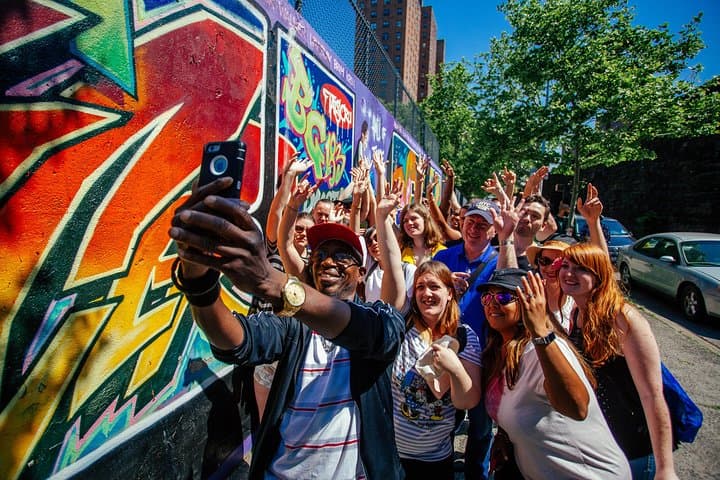
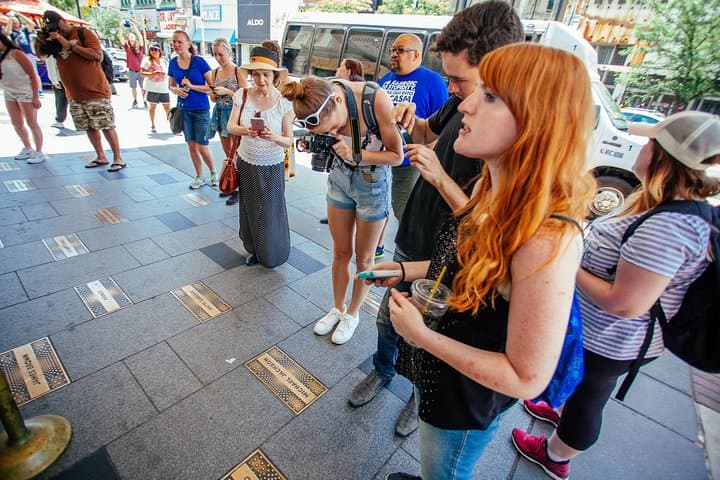
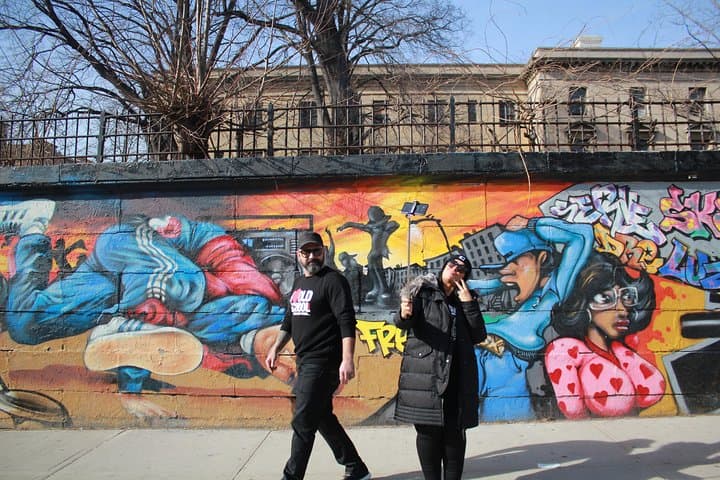

The tour begins outside the Museum of the City of New York, where the pavement hums with footsteps and the first verses of the culture seem to hang in the air.
The tour begins outside the Museum of the City of New York, where the pavement hums with footsteps and the first verses of the culture seem to hang in the air.
Guides—often local hip-hop historians—lead small groups through blocks that shaped the sound: record shops that sold the first breaks, brownstones where crews practiced, and the Apollo Theater, whose stage turned local acts into legends. The narrative links music to Harlem's political and social history, showing how community centers, churches and street corners became stages for innovation and protest.
Geology here is urban: grid lines, elevated subway beds, and old Harlem brownstone foundations that mark waves of development from the 19th to 20th centuries. Cultural context is central—expect stories about DJing, MCing, breakdancing and graffiti alongside discussions of civil rights-era organizing and local entrepreneurship.
Practical guidance: the route covers roughly 1.5–2 miles at a leisurely pace over two hours with frequent stops. Wear supportive shoes for sidewalks and occasional stairs. Bring a refillable water bottle and a light jacket—the neighborhood can be breezy on exposed avenues. Public transit access is strong; the 2/3 and A/B/C/D/4/5 trains all serve nearby stations.
Best for fans of music history and urban walking; the experience is family-friendly and operates rain or shine. Photography is welcome but respect private property and ongoing performances. Arrive 10–15 minutes early to check in and grab a map from your guide. By the end you’ll understand how Harlem’s streets and stories pushed hip-hop from local expression to a global movement.