THE ADVENTURE COLLECTIVE® · Independent discovery and booking for outdoor travel

Taste Harlem’s African Diaspora through a three‑hour walking brunch that pairs West African and Southern dishes with neighborhood history. Expect short walks between tastings, local stories, and visits to Little Senegal and the Apollo Theater.
Taste Harlem’s African Diaspora through a three‑hour walking brunch that pairs West African and Southern dishes with neighborhood history. Expect short walks between tastings, local stories, and visits to Little Senegal and the Apollo Theater.
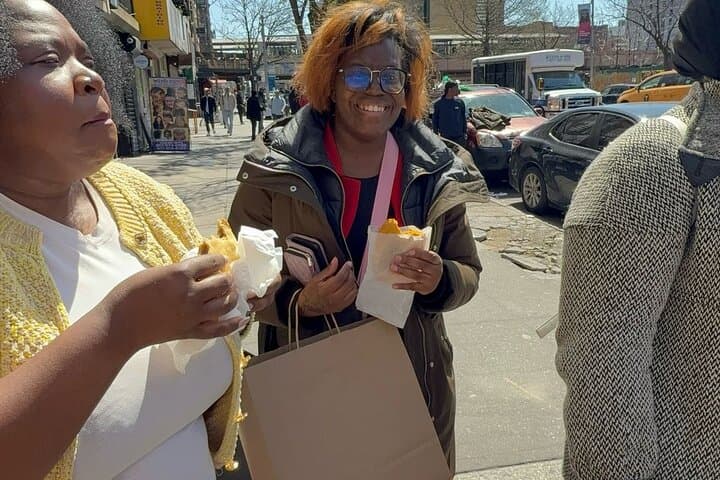
You step off the subway into a chorus of horns and conversations, the air perfumed with frying plantains and rich coffee. The guide holds a small sign at 51 E 125th St, and within minutes the neighborhood begins to speak: storefronts with West African fabrics, gospel spilling from a church doorway, and the faint echo of the Apollo Theater’s history down the avenue.
Verified experiences and guided adventures in the surrounding area.
Operated by Cultural Food Tours in Harlem & Global Communities in NYC · New York, New York
You step off the subway into a chorus of horns and conversations, the air perfumed with frying plantains and rich coffee. The guide holds a small sign at 51 E 125th St, and within minutes the neighborhood begins to speak: storefronts with West African fabrics, gospel spilling from a church doorway, and the faint echo of the Apollo Theater’s history down the avenue.
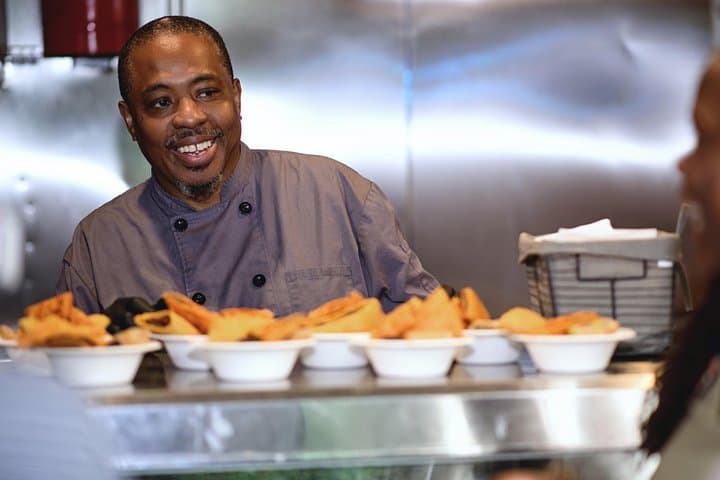
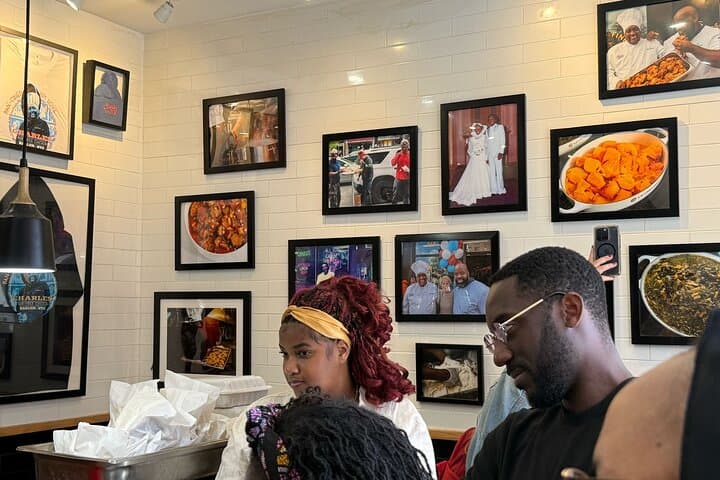
Harlem's streets are living history. Once a destination of the Great Migration, the neighborhood became the engine of the Harlem Renaissance: literature, music, and political thought reshaped American culture. Beneath the asphalt lies Manhattan schist—solid, ordinary geology that made tall buildings possible and created the canyon-like streets you walk today. The tour threads sites from Little Senegal and local markets to the Apollo and family-run eateries, pairing dishes—jollof rice, fried fish, collard greens—with stories about migration, religion, and entrepreneurship.
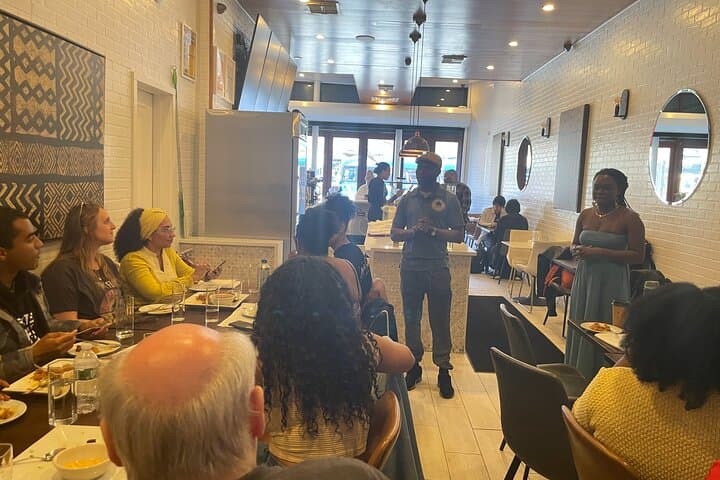
This is a compact, three-hour walking brunch: expect roughly 1.5–2 miles on city sidewalks, brief stops at cafés and shops, and a mix of standing and seated tastings. Bring a transit card, comfortable shoes, and an appetite for bold flavors. Plan to arrive 10–15 minutes early to check in; public transit is recommended and the route is stroller-friendly though some streets can get crowded.
Wear layered clothing for changing weather, keep a refillable bottle handy, and tip your guide if service enriches your experience. The tour is as much about listening as it is about tasting—Harlem asks you to walk slowly and pay attention.
moderate.
3 hours.
Moderate: you should be comfortable walking a couple of miles at an easy pace and standing during tastings.
The tour lasts about three hours and covers roughly 1.5–2 miles on paved city sidewalks with multiple short stops for tastings and talks.
Yes; the operator asks attendees to note restrictions at booking so guides can plan alternatives for common allergies and dietary preferences.
See previous
Tipping is customary for food tours; 10–20% of the tour price or a discretionary cash tip to the guide is appreciated for personalized insights and service.
Harlem transformed in the early 20th century as a hub of African American culture during the Harlem Renaissance; venues like the Apollo shaped music and performance traditions across the U.S.
Support local businesses, avoid single-use plastics during tastings, and stick to sidewalks and public spaces to minimize impact on neighborhood residents.
Cultural Food Tours in Harlem & Global Communities in NYC operates guided outdoor trips and adventures with an emphasis on safety, stewardship, and memorable experiences.
You step off the subway into a chorus of horns and conversations, the air perfumed with frying plantains and rich coffee. The guide holds a small sign at 51 E 125th St, and within minutes the neighborhood begins to speak: storefronts with West African fabrics, gospel spilling from a church doorway, and the faint echo of the Apollo Theater’s history down the avenue.
You step off the subway into a chorus of horns and conversations, the air perfumed with frying plantains and rich coffee. The guide holds a small sign at 51 E 125th St, and within minutes the neighborhood begins to speak: storefronts with West African fabrics, gospel spilling from a church doorway, and the faint echo of the Apollo Theater’s history down the avenue.
Harlem's streets are living history. Once a destination of the Great Migration, the neighborhood became the engine of the Harlem Renaissance: literature, music, and political thought reshaped American culture. Beneath the asphalt lies Manhattan schist—solid, ordinary geology that made tall buildings possible and created the canyon-like streets you walk today. The tour threads sites from Little Senegal and local markets to the Apollo and family-run eateries, pairing dishes—jollof rice, fried fish, collard greens—with stories about migration, religion, and entrepreneurship.
This is a compact, three-hour walking brunch: expect roughly 1.5–2 miles on city sidewalks, brief stops at cafés and shops, and a mix of standing and seated tastings. Bring a transit card, comfortable shoes, and an appetite for bold flavors. Plan to arrive 10–15 minutes early to check in; public transit is recommended and the route is stroller-friendly though some streets can get crowded.
Wear layered clothing for changing weather, keep a refillable bottle handy, and tip your guide if service enriches your experience. The tour is as much about listening as it is about tasting—Harlem asks you to walk slowly and pay attention.