THE ADVENTURE COLLECTIVE® · Independent discovery and booking for outdoor travel

A full-day private drive from Delhi brings you to Haridwar’s holy ghats and Rishikesh’s swinging bridges. Expect temple visits, a cable car to Mansa Devi, and the riverside Ganga Aarti at sunset.
A full-day private drive from Delhi brings you to Haridwar’s holy ghats and Rishikesh’s swinging bridges. Expect temple visits, a cable car to Mansa Devi, and the riverside Ganga Aarti at sunset.
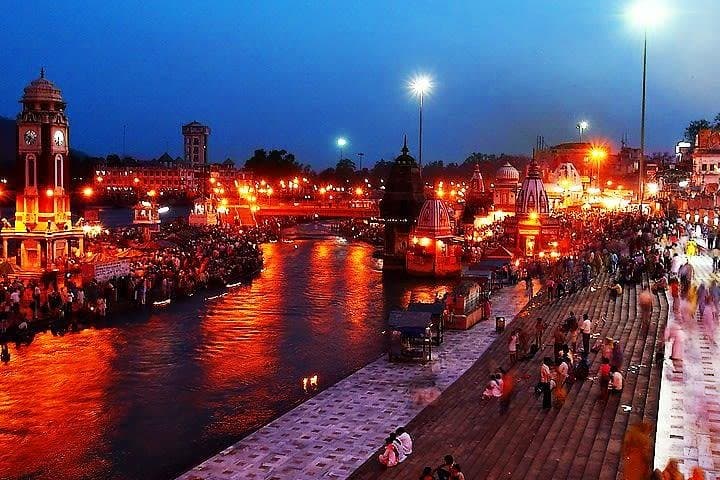
Before dawn you leave Delhi and the highway unfurls like a ribbon toward the lower Himalaya. By midmorning Har ki Pauri rises into view: stepped ghats, priests arranging brass lamps, the Ganges pushing forward from the mountains and carrying itself into the plains with a steady, insistent energy.
Verified experiences and guided adventures in the surrounding area.
Operated by Ghum India Ghum · Haridwar, Uttarakhand
Before dawn you leave Delhi and the highway unfurls like a ribbon toward the lower Himalaya. By midmorning Har ki Pauri rises into view: stepped ghats, priests arranging brass lamps, the Ganges pushing forward from the mountains and carrying itself into the plains with a steady, insistent energy.
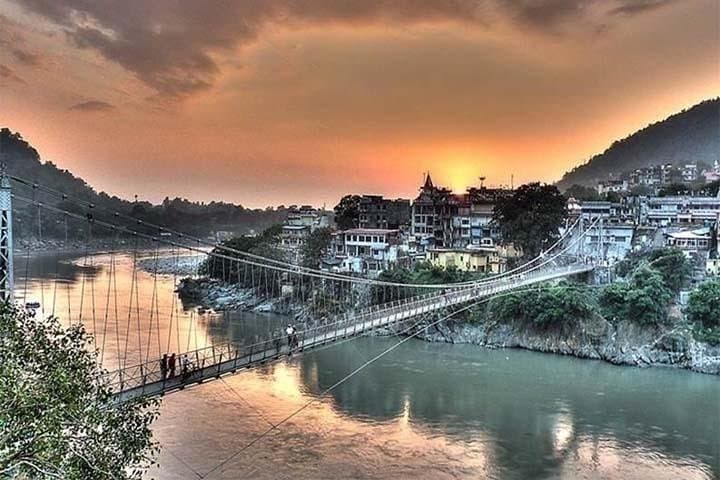
This one-day circuit stitches together two pilgrimage towns with distinct characters. Haridwar is an ancient entry point for pilgrims, its Brahma Kund and Har ki Pauri linked to legends and centuries of ritual. Rishikesh, three dozen kilometers upriver, is a town of iron and suspension: Lakshman Jhula and Ram Jhula swing pedestrians across channels of the Ganga, while ashrams and yoga centers line narrow lanes carved into the riverbank.
Geologically the Ganges here has shed glacial sediments and speeds through a broad alluvial plain, creating steep, stone-set ghats that draw crowds at sunset. Culturally the day centers on devotion: a cable car ascent to Mansa Devi, temple visits, and the evening Ganga Aarti where priests move in ordered circles, lamps catching and scattering across the river.
Practically, expect a long day—early pickup from Delhi, multiple short stops for temples and viewpoints, and a late return. Wear closed-toe shoes for temple steps and uneven gangways, dress modestly for religious sites, and keep water and a portable charger handy. If you want photography, plan to shoot morning light at Har ki Pauri and the blue-hour procession at the aarti—both reward patience and respect for the rituals in play.
moderate.
12–15 hours.
Suitable for travelers in average physical condition; involves multiple short walks and some stair climbing
The drive to Haridwar takes about 3.5–4.5 hours each way depending on traffic; total trip time is typically 12–15 hours.
No—lunch is at a local restaurant at your expense; guides can recommend vegetarian and popular regional options.
Yes—infant seats are available per the tour notes, but expect a long day and many steps; assess suitability for young children.
Most temple visits are free, but cable car to Mansa Devi and any museum entries are usually paid locally and not included.
Haridwar has been a pilgrimage gateway for millennia; Rishikesh grew in the 20th century as a spiritual and yoga center and later drew international visitors including the Beatles.
The Ganges here faces pollution and seasonal pressures—avoid single-use plastics, follow local waste rules, and respect restricted areas during nesting or rituals.
Ghum India Ghum operates guided outdoor trips and adventures with an emphasis on safety, stewardship, and memorable experiences.
Before dawn you leave Delhi and the highway unfurls like a ribbon toward the lower Himalaya. By midmorning Har ki Pauri rises into view: stepped ghats, priests arranging brass lamps, the Ganges pushing forward from the mountains and carrying itself into the plains with a steady, insistent energy.
Before dawn you leave Delhi and the highway unfurls like a ribbon toward the lower Himalaya. By midmorning Har ki Pauri rises into view: stepped ghats, priests arranging brass lamps, the Ganges pushing forward from the mountains and carrying itself into the plains with a steady, insistent energy.
This one-day circuit stitches together two pilgrimage towns with distinct characters. Haridwar is an ancient entry point for pilgrims, its Brahma Kund and Har ki Pauri linked to legends and centuries of ritual. Rishikesh, three dozen kilometers upriver, is a town of iron and suspension: Lakshman Jhula and Ram Jhula swing pedestrians across channels of the Ganga, while ashrams and yoga centers line narrow lanes carved into the riverbank.
Geologically the Ganges here has shed glacial sediments and speeds through a broad alluvial plain, creating steep, stone-set ghats that draw crowds at sunset. Culturally the day centers on devotion: a cable car ascent to Mansa Devi, temple visits, and the evening Ganga Aarti where priests move in ordered circles, lamps catching and scattering across the river.
Practically, expect a long day—early pickup from Delhi, multiple short stops for temples and viewpoints, and a late return. Wear closed-toe shoes for temple steps and uneven gangways, dress modestly for religious sites, and keep water and a portable charger handy. If you want photography, plan to shoot morning light at Har ki Pauri and the blue-hour procession at the aarti—both reward patience and respect for the rituals in play.