THE ADVENTURE COLLECTIVE® · Independent discovery and booking for outdoor travel

A full‑day private drive from Delhi takes you to Haridwar and Rishikesh to witness ghats, temples and the sunset Ganga Aarti. Expect a long but rich day of walking, ritual and riverside views—ideal for culture‑minded travelers with an early start.
A full‑day private drive from Delhi takes you to Haridwar and Rishikesh to witness ghats, temples and the sunset Ganga Aarti. Expect a long but rich day of walking, ritual and riverside views—ideal for culture‑minded travelers with an early start.
You leave Delhi before first light and the highway becomes a ribbon of fields and foothills. By mid‑morning the Ganges appears—wider now, shedding its Himalayan urgency—curling through Haridwar where stone steps meet steady water. At Har Ki Pauri you feel the river’s pull: priests lift lamps, smoke carries song, and the river seems to answer back with an unhurried glow.
Verified experiences and guided adventures in the surrounding area.
Operated by Deejohn Holidays India Tours · Haridwar, Uttarakhand
You leave Delhi before first light and the highway becomes a ribbon of fields and foothills. By mid‑morning the Ganges appears—wider now, shedding its Himalayan urgency—curling through Haridwar where stone steps meet steady water. At Har Ki Pauri you feel the river’s pull: priests lift lamps, smoke carries song, and the river seems to answer back with an unhurried glow.
Haridwar marks the point where the Ganga leaves the mountains and enters the plains, a geological and cultural threshold that has drawn pilgrims for millennia. Temples here—Mansa Devi, Chandi Devi—sit on older pilgrimage routes; Rishikesh’s iron and suspension bridges (Ram Jhula and Lakshman Jhula) grew from pilgrimage crossing points to modern spiritual hubs and yoga ashrams. The sandstone ghats, pebbled riverbanks and nearby Siwalik foothills tell a simple geological story: uplift, erosion, and a river that shaped communities.
Expect a measured day of walking, short drives and concentrated cultural moments—visit temples, stroll the jhulas, and pause at Sivananda Ashram. The Ganga Aarti at Har Ki Pauri at sunset is the day’s emotional peak: coordinated lamps, ringing bells and the river accepting offerings.
Practical guidance: plan for a long day (roughly 16–17 hours round trip from Delhi), comfortable shoes for uneven ghats, modest clothing for temple visits, and small cash for donations and snacks. Arrive early at popular sites to avoid crowds and keep water handy—the drive can be dusty and warm. Respect ritual spaces, follow guide directions during Aarti, and leave no offerings in the river other than biodegradable items.
easy.
16–18 hours.
Basic fitness for extended day: able to walk on uneven stone steps and stand during crowded rituals.
Yes—pickup and drop‑off from Delhi hotels or the airport are included in this private car tour.
No—lunch at a local restaurant is at your own expense and gives flexibility for dietary preferences.
The tour lists entrance fees as included; clarify any optional donations directly with your guide on the day.
The Aarti is family‑friendly but can be crowded; consider watching from a less congested spot or the opposite bank for easier access.
Haridwar has been a pilgrimage hub for centuries, where the Ganges descends from the Himalayas into the plains; Rishikesh grew as a crossing and spiritual waypoint that later attracted global yoga communities.
Local NGOs and temple committees run periodic river‑cleaning and waste management efforts—avoid plastic offerings and follow guide instructions to reduce impact.
Deejohn Holidays India Tours operates guided outdoor trips and adventures with an emphasis on safety, stewardship, and memorable experiences.
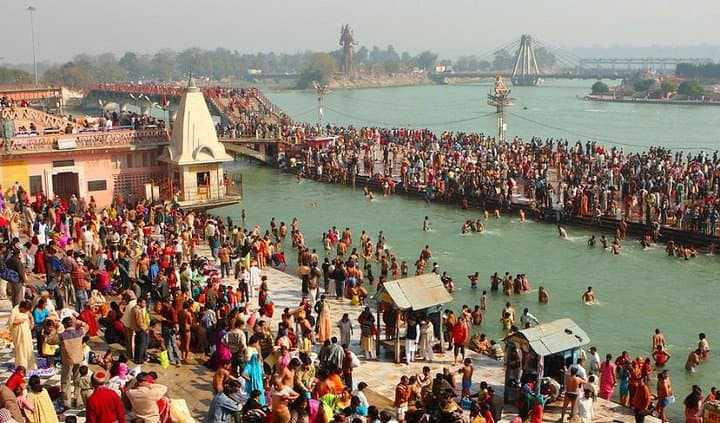
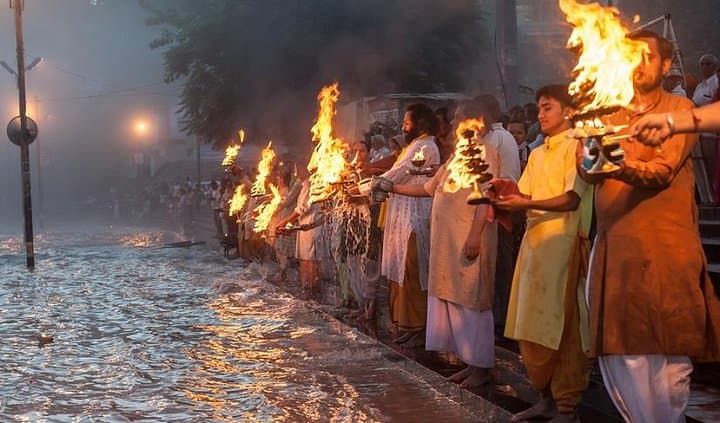
You leave Delhi before first light and the highway becomes a ribbon of fields and foothills. By mid‑morning the Ganges appears—wider now, shedding its Himalayan urgency—curling through Haridwar where stone steps meet steady water. At Har Ki Pauri you feel the river’s pull: priests lift lamps, smoke carries song, and the river seems to answer back with an unhurried glow.
You leave Delhi before first light and the highway becomes a ribbon of fields and foothills. By mid‑morning the Ganges appears—wider now, shedding its Himalayan urgency—curling through Haridwar where stone steps meet steady water. At Har Ki Pauri you feel the river’s pull: priests lift lamps, smoke carries song, and the river seems to answer back with an unhurried glow.
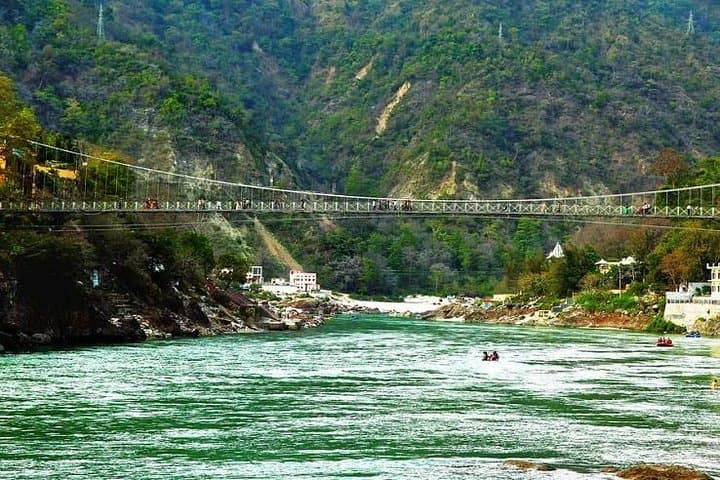
Haridwar marks the point where the Ganga leaves the mountains and enters the plains, a geological and cultural threshold that has drawn pilgrims for millennia. Temples here—Mansa Devi, Chandi Devi—sit on older pilgrimage routes; Rishikesh’s iron and suspension bridges (Ram Jhula and Lakshman Jhula) grew from pilgrimage crossing points to modern spiritual hubs and yoga ashrams. The sandstone ghats, pebbled riverbanks and nearby Siwalik foothills tell a simple geological story: uplift, erosion, and a river that shaped communities.
Expect a measured day of walking, short drives and concentrated cultural moments—visit temples, stroll the jhulas, and pause at Sivananda Ashram. The Ganga Aarti at Har Ki Pauri at sunset is the day’s emotional peak: coordinated lamps, ringing bells and the river accepting offerings.
Practical guidance: plan for a long day (roughly 16–17 hours round trip from Delhi), comfortable shoes for uneven ghats, modest clothing for temple visits, and small cash for donations and snacks. Arrive early at popular sites to avoid crowds and keep water handy—the drive can be dusty and warm. Respect ritual spaces, follow guide directions during Aarti, and leave no offerings in the river other than biodegradable items.