THE ADVENTURE COLLECTIVE® · Independent discovery and booking for outdoor travel

A long day drive takes you from Delhi to Haridwar and Rishikesh to witness Har Ki Pauri, the famed Lakshman and Ram Jhula bridges, riverside ashrams and the evening Ganga Aarti. Expect about 12–13 hours of driving, walking and cultural immersion—ideal for a focused day of pilgrimage and riverside life.
A long day drive takes you from Delhi to Haridwar and Rishikesh to witness Har Ki Pauri, the famed Lakshman and Ram Jhula bridges, riverside ashrams and the evening Ganga Aarti. Expect about 12–13 hours of driving, walking and cultural immersion—ideal for a focused day of pilgrimage and riverside life.
You leave Delhi before dawn, the car sliding through motorway light as the plains flatten and the Shivalik foothills first sketch themselves on the horizon. By mid-morning you stand at Har Ki Pauri, where the Ganga pushes past stone ghats and the evening aarti’s lamps are already whispering of ritual — a river that both carries prayers and dares you to watch.
Verified experiences and guided adventures in the surrounding area.
Operated by The Vision Holidays · Haridwar, Uttarakhand
You leave Delhi before dawn, the car sliding through motorway light as the plains flatten and the Shivalik foothills first sketch themselves on the horizon. By mid-morning you stand at Har Ki Pauri, where the Ganga pushes past stone ghats and the evening aarti’s lamps are already whispering of ritual — a river that both carries prayers and dares you to watch.
The route south of the Himalaya has a layered history: pilgrimage routes, colonial roads and modern highways that bind Delhi to Uttarakhand. Geologically the terrain shifts from alluvial plains to the coarse gravels of the foothills; Rishikesh perches where the river narrows and the current quickens. Cultural highlights are close together — Lakshman Jhula’s swaying cables, the newer iron Ram Jhula, and the scatter of ashrams from Sivananda to Parmarth Niketan where yoga mats and hymn chants shape the shoreline.
Practical side: the drive from Delhi is roughly 200–220 km and takes about five hours one-way depending on traffic; the whole tour runs about 12–13 hours. Expect lots of short walks, uneven steps on ghats, and crowded sanctified spaces during aarti. Dress modestly (shoulders and knees covered) and carry a small daypack with water, sun protection and comfortable shoes.
Timing matters — start early to avoid Delhi traffic, build buffer time for lunch in Rishikesh, and plan for a late-night return. The day is sensory and compact: rivers that move with intent, bridges that swing beneath you, and temples that keep time with the current.
easy.
12–13 hours.
Suitable for most travelers with basic mobility; expect multiple short walks on uneven steps and standing during aarti.
Pickup and drop-off are typically at your Delhi hotel; confirm the exact location and any airport transfers when booking.
Yes if they can handle a long day in a vehicle and some short walks; notify the operator in advance for any mobility needs.
Yes—public access is allowed. Arrive early for a good viewing spot and follow local directions for safety on the ghats.
Full refunds are generally available if you cancel at least 24 hours before departure; confirm specific terms when booking.
Haridwar and Rishikesh have been pilgrimage centers for millennia; Har Ki Pauri is associated with Vedic lore while Rishikesh grew as a yoga and spiritual hub in the 20th century.
Both towns face pressure from tourism and river pollution—support responsible vendors, avoid plastics, and follow local guidelines for offerings at the river.
The Vision Holidays operates guided outdoor trips and adventures with an emphasis on safety, stewardship, and memorable experiences.

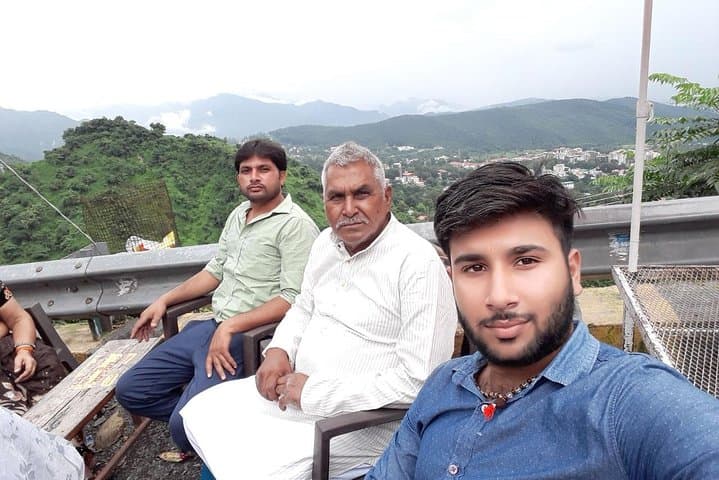
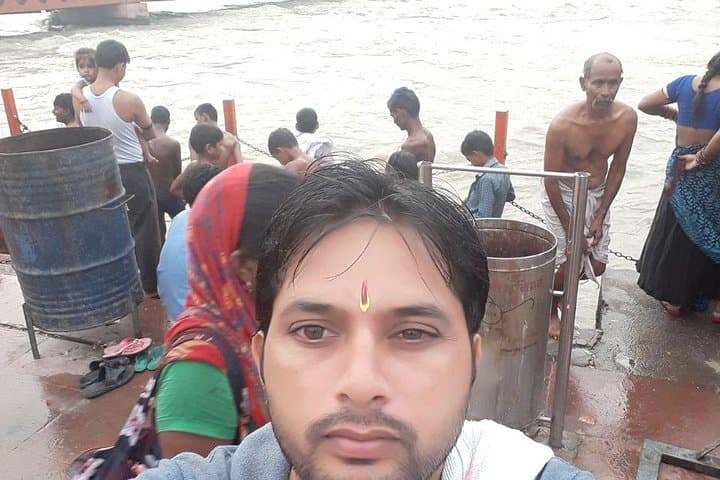

You leave Delhi before dawn, the car sliding through motorway light as the plains flatten and the Shivalik foothills first sketch themselves on the horizon. By mid-morning you stand at Har Ki Pauri, where the Ganga pushes past stone ghats and the evening aarti’s lamps are already whispering of ritual — a river that both carries prayers and dares you to watch.
You leave Delhi before dawn, the car sliding through motorway light as the plains flatten and the Shivalik foothills first sketch themselves on the horizon. By mid-morning you stand at Har Ki Pauri, where the Ganga pushes past stone ghats and the evening aarti’s lamps are already whispering of ritual — a river that both carries prayers and dares you to watch.
The route south of the Himalaya has a layered history: pilgrimage routes, colonial roads and modern highways that bind Delhi to Uttarakhand. Geologically the terrain shifts from alluvial plains to the coarse gravels of the foothills; Rishikesh perches where the river narrows and the current quickens. Cultural highlights are close together — Lakshman Jhula’s swaying cables, the newer iron Ram Jhula, and the scatter of ashrams from Sivananda to Parmarth Niketan where yoga mats and hymn chants shape the shoreline.
Practical side: the drive from Delhi is roughly 200–220 km and takes about five hours one-way depending on traffic; the whole tour runs about 12–13 hours. Expect lots of short walks, uneven steps on ghats, and crowded sanctified spaces during aarti. Dress modestly (shoulders and knees covered) and carry a small daypack with water, sun protection and comfortable shoes.
Timing matters — start early to avoid Delhi traffic, build buffer time for lunch in Rishikesh, and plan for a late-night return. The day is sensory and compact: rivers that move with intent, bridges that swing beneath you, and temples that keep time with the current.