THE ADVENTURE COLLECTIVE® · Independent discovery and booking for outdoor travel

Step into Harbin’s world-famous winter park where monumental ice castles and glowing sculptures reshape the night. This guide explains what to expect — from scale and history to tickets, timing, and exactly what to pack.
Step into Harbin’s world-famous winter park where monumental ice castles and glowing sculptures reshape the night. This guide explains what to expect — from scale and history to tickets, timing, and exactly what to pack.
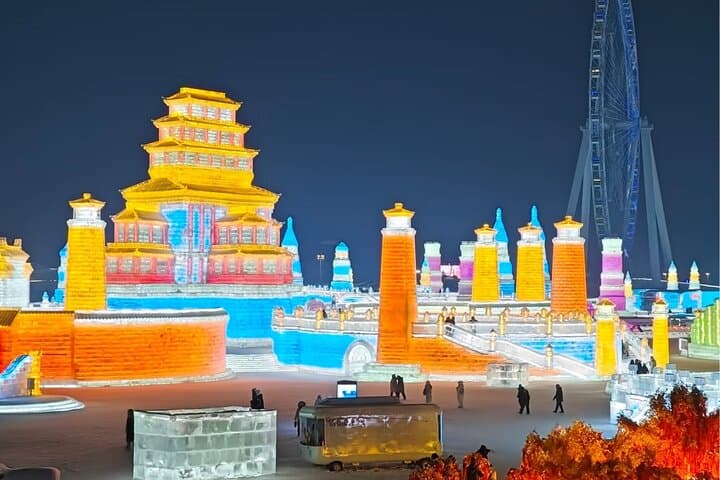
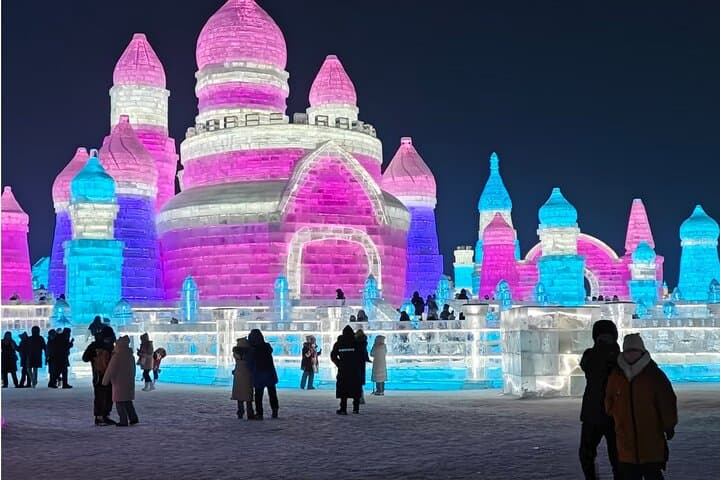
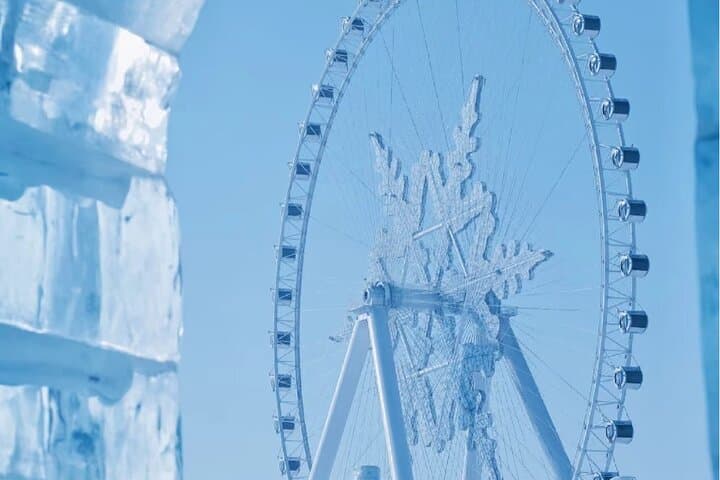
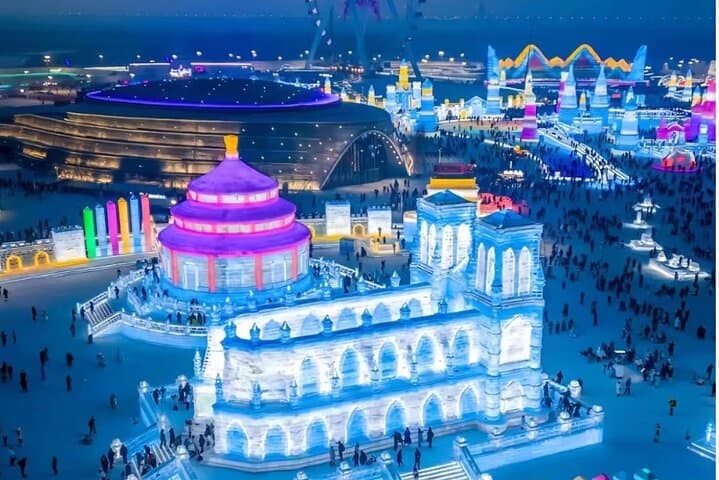
The light is low, the air bites, and a city-sized palace of ice begins to glow — towering arches and carved walkways backlit by LEDs that turn clear ice into slow-motion fireworks. Walkways crunch under thermal boots as families queue for snow slides and photographers stake claims at room-sized sculptures; the park feels equal parts theme park and open-air gallery.
Verified experiences and guided adventures in the surrounding area.
Operated by Ruth · Harbin, Heilongjiang
The light is low, the air bites, and a city-sized palace of ice begins to glow — towering arches and carved walkways backlit by LEDs that turn clear ice into slow-motion fireworks. Walkways crunch under thermal boots as families queue for snow slides and photographers stake claims at room-sized sculptures; the park feels equal parts theme park and open-air gallery.
Harbin's Ice and Snow World grew from mid-20th-century winter fairs into a modern international festival. Sculptors harvest thick Songhua River ice and shaped blocks with cranes and chainsaws; the clarity and thickness of that river ice, plus Harbin’s reliably frigid temperatures, let artists push scale and translucence few other places can match. The aesthetic carries Russian and Manchu echoes — domes, columns and folkloric figures — reflecting the city’s layered history.
Expect sensory contrasts: the hush of crystalline corridors, the clang of family laughter on slides, and a steady glow after sunset when LED programs animate the sculptures. Practicalities matter: the site covers roughly 600,000 m², so allocate time to stroll rather than sprint — typical visits run 1–5 hours.
Bring warm, non-slip boots, multiple insulating layers, and extra battery power for cameras; keep hands free for balance and photos. Go at night for peak spectacle but arrive at opening to avoid long lines. The park is largely accessible, but icy surfaces and low temperatures mean mobile visitors should plan for slower movement. Book tickets in advance (mobile QR entry is standard) and leave room in your itinerary for nearby Sun Island attractions or a walk along the frozen Songhua River if conditions are safe.
easy.
1–5 hours.
Light to moderate fitness for walking on icy, uneven surfaces; ability to stand and walk for up to a few hours.
The festival runs in winter, typically from late December through February, though exact dates vary by year and weather conditions.
Refund policies depend on the vendor; many offer full refunds if canceled 24 hours ahead — check your booking terms and keep your QR code.
Most main areas are wheelchair accessible, but icy patches and outdoor snow areas can be challenging — bring appropriate mobility assistance and check site maps at entry.
No — sculptures are fragile and often reinforced for safety; follow posted rules and staff directions to avoid damage and injury.
The ice festival has roots in mid-20th-century winter fairs and expanded into an international-scale event in the late 20th century, reflecting Harbin’s colder-climate cultural traditions.
Large-scale lighting and ice production have environmental impacts; visitors should stick to paths, respect signage, and choose responsible tour operators to reduce waste and disturbance.
Ruth operates guided outdoor trips and adventures with an emphasis on safety, stewardship, and memorable experiences.
The light is low, the air bites, and a city-sized palace of ice begins to glow — towering arches and carved walkways backlit by LEDs that turn clear ice into slow-motion fireworks. Walkways crunch under thermal boots as families queue for snow slides and photographers stake claims at room-sized sculptures; the park feels equal parts theme park and open-air gallery.
The light is low, the air bites, and a city-sized palace of ice begins to glow — towering arches and carved walkways backlit by LEDs that turn clear ice into slow-motion fireworks. Walkways crunch under thermal boots as families queue for snow slides and photographers stake claims at room-sized sculptures; the park feels equal parts theme park and open-air gallery.
Harbin's Ice and Snow World grew from mid-20th-century winter fairs into a modern international festival. Sculptors harvest thick Songhua River ice and shaped blocks with cranes and chainsaws; the clarity and thickness of that river ice, plus Harbin’s reliably frigid temperatures, let artists push scale and translucence few other places can match. The aesthetic carries Russian and Manchu echoes — domes, columns and folkloric figures — reflecting the city’s layered history.
Expect sensory contrasts: the hush of crystalline corridors, the clang of family laughter on slides, and a steady glow after sunset when LED programs animate the sculptures. Practicalities matter: the site covers roughly 600,000 m², so allocate time to stroll rather than sprint — typical visits run 1–5 hours.
Bring warm, non-slip boots, multiple insulating layers, and extra battery power for cameras; keep hands free for balance and photos. Go at night for peak spectacle but arrive at opening to avoid long lines. The park is largely accessible, but icy surfaces and low temperatures mean mobile visitors should plan for slower movement. Book tickets in advance (mobile QR entry is standard) and leave room in your itinerary for nearby Sun Island attractions or a walk along the frozen Songhua River if conditions are safe.