THE ADVENTURE COLLECTIVE® · Independent discovery and booking for outdoor travel

Step into Harbin’s illuminated ice city: towering sculptures, ice slides and nighttime LED shows make Ice and Snow World one of the world’s most striking winter attractions. Plan to visit at dusk, dress for deep cold, and allow 2–4 hours to experience the lights, skating and snow play.
Step into Harbin’s illuminated ice city: towering sculptures, ice slides and nighttime LED shows make Ice and Snow World one of the world’s most striking winter attractions. Plan to visit at dusk, dress for deep cold, and allow 2–4 hours to experience the lights, skating and snow play.
A cold wind threads across the open plaza as towering blocks of ice take on color and character under stadium LEDs. You enter a city sculpted from frozen water — arches, turrets and translucent corridors that glow from within — and the air seems to hold its breath while the light moves through the ice.
Verified experiences and guided adventures in the surrounding area.
Operated by zowoyoo · Harbin, Heilongjiang
A cold wind threads across the open plaza as towering blocks of ice take on color and character under stadium LEDs. You enter a city sculpted from frozen water — arches, turrets and translucent corridors that glow from within — and the air seems to hold its breath while the light moves through the ice.
Harbin’s ice culture grew from century-old ice-lantern traditions and Russian-influenced winter festivals; modern Ice and Snow World became a large-scale spectacle in the late 20th century that now anchors an international winter season. Geologically it's straightforward: sustained subzero continental winters and abundant river water let artists carve enormous blocks and stack snow for monumental sculptures. Culturally, the park sits inside Harbin’s winter identity — evenings are the main event when LED programs animate the sculptures and families gather for slides and skating.
Plan on 2–4 hours to see the park well; arrive at dusk to catch both daylight details and the night illumination. Dress in windproof, insulating layers and waterproof boots — frozen sculptures “hold” light but not your body heat. Tickets are typically time-windowed; check the date and allow extra time for lines to outdoor attractions. Bring a thermos, protect camera batteries in cold pockets, and avoid touching delicate carvings: oils speed deterioration. Accessibility varies by installation; many slides and skating areas have staff and rental skates, but steep steps and icy surfaces can limit mobility.
Expect crowds on holidays and weekend nights; quieter visits are weekday early evenings. The spectacle is part art, part engineering — a distinctly seasonal outdoor encounter where light, cold and human creativity meet.
easy.
2–4 hours.
Low fitness required for walking and short skating; be prepared for cold-related stamina effects.
Arrive around dusk to see sculpture details in daylight then watch LED programs after dark; evenings are busiest but most spectacular.
Skate availability varies by season and vendor—many parks rent skates on-site but confirm rentals and sizes when booking.
Yes—there are family-friendly slides and snow play areas, but infants should stay warm and be carried rather than placed on icy surfaces.
No—touching accelerates melting and causes damage; staff-enforced barriers protect fragile works and visitor safety.
Harbin’s ice culture began with Qing-era ice lantern traditions and Russian-influenced architecture; the large modern ice park emerged in scale during the late 20th century and anchors the annual winter festival.
Organizers reuse meltwater and favor LED lighting to reduce energy; visitors help by not littering, staying on paths and avoiding contact with sculptures.
zowoyoo operates guided outdoor trips and adventures with an emphasis on safety, stewardship, and memorable experiences.
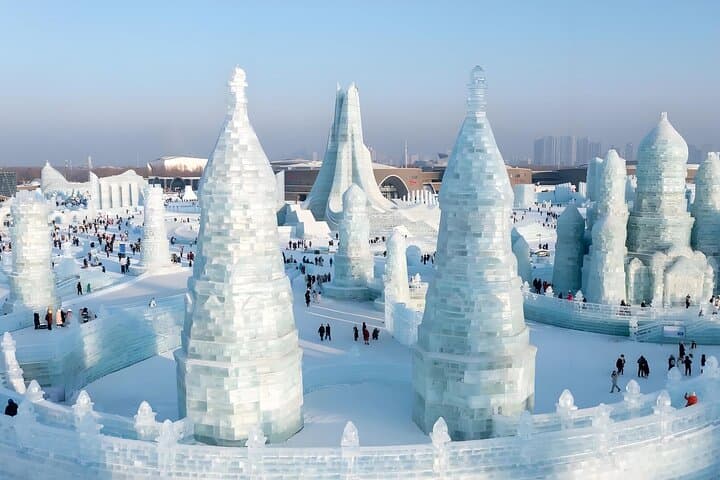
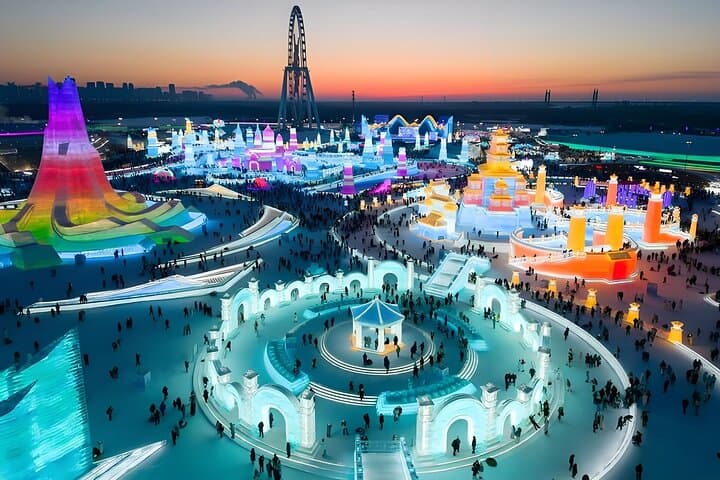
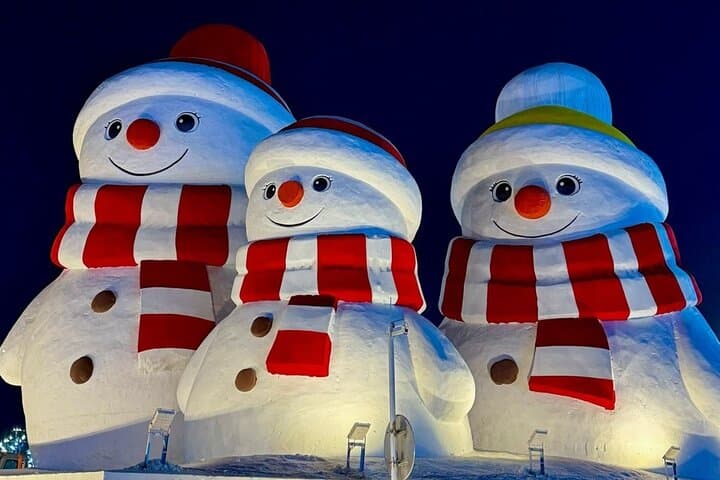
A cold wind threads across the open plaza as towering blocks of ice take on color and character under stadium LEDs. You enter a city sculpted from frozen water — arches, turrets and translucent corridors that glow from within — and the air seems to hold its breath while the light moves through the ice.
A cold wind threads across the open plaza as towering blocks of ice take on color and character under stadium LEDs. You enter a city sculpted from frozen water — arches, turrets and translucent corridors that glow from within — and the air seems to hold its breath while the light moves through the ice.
Harbin’s ice culture grew from century-old ice-lantern traditions and Russian-influenced winter festivals; modern Ice and Snow World became a large-scale spectacle in the late 20th century that now anchors an international winter season. Geologically it's straightforward: sustained subzero continental winters and abundant river water let artists carve enormous blocks and stack snow for monumental sculptures. Culturally, the park sits inside Harbin’s winter identity — evenings are the main event when LED programs animate the sculptures and families gather for slides and skating.
Plan on 2–4 hours to see the park well; arrive at dusk to catch both daylight details and the night illumination. Dress in windproof, insulating layers and waterproof boots — frozen sculptures “hold” light but not your body heat. Tickets are typically time-windowed; check the date and allow extra time for lines to outdoor attractions. Bring a thermos, protect camera batteries in cold pockets, and avoid touching delicate carvings: oils speed deterioration. Accessibility varies by installation; many slides and skating areas have staff and rental skates, but steep steps and icy surfaces can limit mobility.
Expect crowds on holidays and weekend nights; quieter visits are weekday early evenings. The spectacle is part art, part engineering — a distinctly seasonal outdoor encounter where light, cold and human creativity meet.