THE ADVENTURE COLLECTIVE® · Independent discovery and booking for outdoor travel

Spend five hours soaking in Harbin’s mineral pools, sampling Chinese medicinal baths, then warm up again with a communal hot‑pot dinner. This private tour pairs thermal therapy with local cuisine and hotel pickup for a convenient evening escape.
Spend five hours soaking in Harbin’s mineral pools, sampling Chinese medicinal baths, then warm up again with a communal hot‑pot dinner. This private tour pairs thermal therapy with local cuisine and hotel pickup for a convenient evening escape.
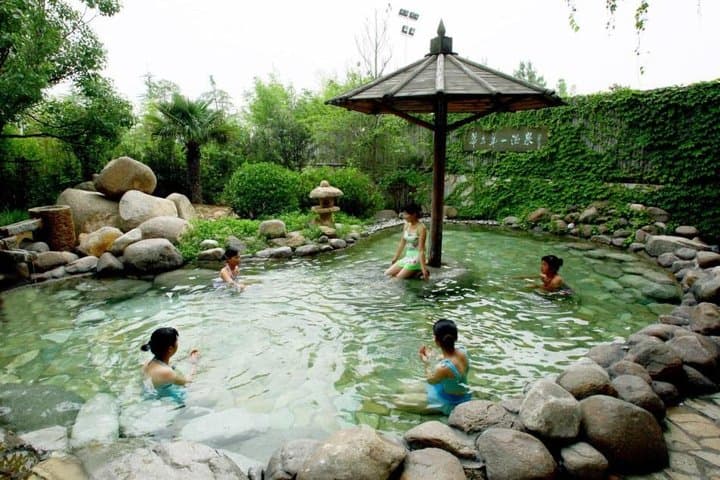
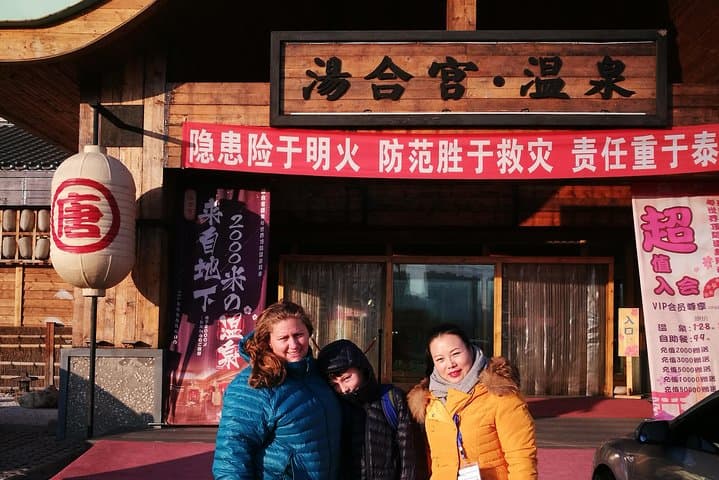
Steam rises over black stone pools as the city lights of Harbin blur behind a band of winter dark. Travelers will find themselves guided from an urban hotel through a short drive to one of Harbin’s established hot-spring facilities — Beilong, Tanghegong, or Taipinghu — where mineral-soaked water and Chinese medicinal pools do much of the work of relaxation.
Verified experiences and guided adventures in the surrounding area.
Operated by Private Tour Guide · Harbin, Heilongjiang
Steam rises over black stone pools as the city lights of Harbin blur behind a band of winter dark. Travelers will find themselves guided from an urban hotel through a short drive to one of Harbin’s established hot-spring facilities — Beilong, Tanghegong, or Taipinghu — where mineral-soaked water and Chinese medicinal pools do much of the work of relaxation.
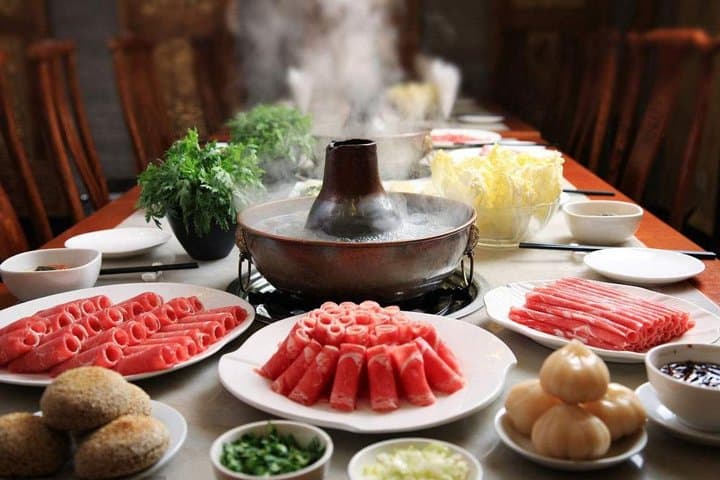
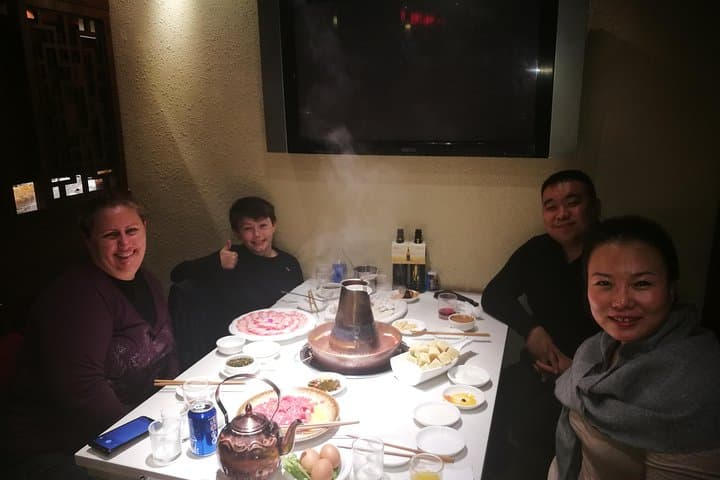
Heilongjiang’s thermal sites sit where ancient geothermal activity meets temperate river plains; the springs here have been used locally longer than Harbin’s recent tourism push, and they reflect a regional habit of communal bathing and therapeutic herbal infusions. The experience blends contemporary spa amenities with local flavors: saunas and individual medicinal pools followed by a sociable hot-pot dinner, a culinary counterpoint where diners cook fresh ingredients in simmering broth.
Expect tiled changing rooms, time limits for each pool (20–30 minutes per bath is typical), and guided sequencing from warm to cooler pools. Language can be limited, so rely on your guide for pool selection and safety cues. Harbin’s winter cold makes the contrast between icy air and scalding water dramatic; in summer the pools feel restorative in a different way.
Practical tips: bring a swimsuit, shower cap and waterproof phone pouch; stay hydrated and avoid alcohol before soaking; obey posted health restrictions (not recommended for people with serious heart or skin conditions). Hotel pickup and private transport simplify logistics. Plan for roughly five hours total: soaking, sauna time, and a 90–120 minute hot-pot dinner before return to your hotel.
easy.
5 hours.
Suitable for most fitness levels; requires only basic mobility for steps and pool access
This tour is private; your guide and vehicle are reserved for your group with hotel pickup and drop‑off.
Facilities vary—some provide towels and robes for rent or purchase; the operator recommends bringing your own if you prefer.
No—people with serious heart conditions, hypertension, anemia, severe skin disease, or recent trauma should not bathe; follow facility rules and ask your guide if unsure.
The hot‑pot dinner typically lasts 90–120 minutes and includes time for ordering and cooking ingredients at the table.
Harbin’s hot springs have long been used by local communities; the modern spa industry expanded recently, layering contemporary facilities over traditional bathing practices.
Respect posted rules to limit chemical and wastewater impact, use biodegradable sunscreens, and minimize single‑use plastics; facilities often manage water circulation but local demand can strain resources.
Private Tour Guide operates guided outdoor trips and adventures with an emphasis on safety, stewardship, and memorable experiences.
Steam rises over black stone pools as the city lights of Harbin blur behind a band of winter dark. Travelers will find themselves guided from an urban hotel through a short drive to one of Harbin’s established hot-spring facilities — Beilong, Tanghegong, or Taipinghu — where mineral-soaked water and Chinese medicinal pools do much of the work of relaxation.
Steam rises over black stone pools as the city lights of Harbin blur behind a band of winter dark. Travelers will find themselves guided from an urban hotel through a short drive to one of Harbin’s established hot-spring facilities — Beilong, Tanghegong, or Taipinghu — where mineral-soaked water and Chinese medicinal pools do much of the work of relaxation.
Heilongjiang’s thermal sites sit where ancient geothermal activity meets temperate river plains; the springs here have been used locally longer than Harbin’s recent tourism push, and they reflect a regional habit of communal bathing and therapeutic herbal infusions. The experience blends contemporary spa amenities with local flavors: saunas and individual medicinal pools followed by a sociable hot-pot dinner, a culinary counterpoint where diners cook fresh ingredients in simmering broth.
Expect tiled changing rooms, time limits for each pool (20–30 minutes per bath is typical), and guided sequencing from warm to cooler pools. Language can be limited, so rely on your guide for pool selection and safety cues. Harbin’s winter cold makes the contrast between icy air and scalding water dramatic; in summer the pools feel restorative in a different way.
Practical tips: bring a swimsuit, shower cap and waterproof phone pouch; stay hydrated and avoid alcohol before soaking; obey posted health restrictions (not recommended for people with serious heart or skin conditions). Hotel pickup and private transport simplify logistics. Plan for roughly five hours total: soaking, sauna time, and a 90–120 minute hot-pot dinner before return to your hotel.