THE ADVENTURE COLLECTIVE® · Independent discovery and booking for outdoor travel

A 7-day trek through Har Ki Dun delivers high Himalayan valleys, alpine meadows, and sweeping views of Swargarohini. This guide outlines what to expect—terrain, logistics, and practical tips to plan your trek.
A 7-day trek through Har Ki Dun delivers high Himalayan valleys, alpine meadows, and sweeping views of Swargarohini. This guide outlines what to expect—terrain, logistics, and practical tips to plan your trek.
A morning in Har Ki Dun unfolds like a slow reveal: mist lifting from a U-shaped valley, pine-scented air tightening around a narrow trail, and distant ridgelines cutting the sky. Walkers move deliberately—boots whispering on loam, a river daring you to follow its white-thread course toward higher snow.
Verified experiences and guided adventures in the surrounding area.
Operated by Himalaya Shelter · Sankri, Uttarakhand
A morning in Har Ki Dun unfolds like a slow reveal: mist lifting from a U-shaped valley, pine-scented air tightening around a narrow trail, and distant ridgelines cutting the sky. Walkers move deliberately—boots whispering on loam, a river daring you to follow its white-thread course toward higher snow.
The valley sits in Uttarakhand’s Garhwal Himalaya, carved by glaciers and fed by streams that rush down from Swargarohini’s sheer north face. Locals speak of ancient routes and the Mahabharata’s Pandavas; shepherding and small stone villages remain part of daily life here. Geology is visible everywhere: moraines, steep hanging faces, and meadow basins that hold summer pastures.
Expect 6–7 days of trekking with daily uphill stretches to 3,300–3,800 m and a mix of forest tracks, alpine meadows, and rocky switchbacks. Camps and simple guesthouses in Sankri or Osla are base points; guides handle permits, meals, and route knowledge. Weather shifts fast—clear mornings can become wet afternoons—so timing matters.
Practical guidance: acclimatize on arrival, carry layers and a warm sleeping bag rated for sub-zero temperatures, and use trekking poles for steep descents. Hydrate and pace climbs to reduce altitude strain; forest entry charges and local fees apply. The reward is wide: panoramic valley views, Marinda Tal’s reflective lake, and the brute presence of Swargarohini looming above—an honest, high-altitude trek that balances remote wilderness with accessible logistics.
moderate.
6–7 days.
Good aerobic fitness with prior multi-day hiking experience; comfortable with 4–6 hour walking days and sustained elevation gain.
Best windows are late May–June and September–October for stable weather, open trails and vibrant alpine meadows; monsoon and deep winter bring heavy rain or snow.
Forest entry charges and local permits are collected; operators handle paperwork, so confirm what’s included before booking.
Technically easy but physically demanding due to altitude and daily elevation gain—suitable for beginners with good fitness and a guide.
Mixture of guesthouses in Sankri/Osla and basic tented camps on higher nights; meals are usually provided by the operator from day 1 dinner through final breakfast.
The valley is part of Garhwal’s shepherding landscape and tied in local lore to the Pandavas’ legendary route; villages retain traditional architecture and seasonal grazing patterns.
Stick to marked trails, pack out waste, and respect seasonal grazing areas; local communities rely on sustainable tourism and charge modest entry fees to support conservation.
Himalaya Shelter operates guided outdoor trips and adventures with an emphasis on safety, stewardship, and memorable experiences.
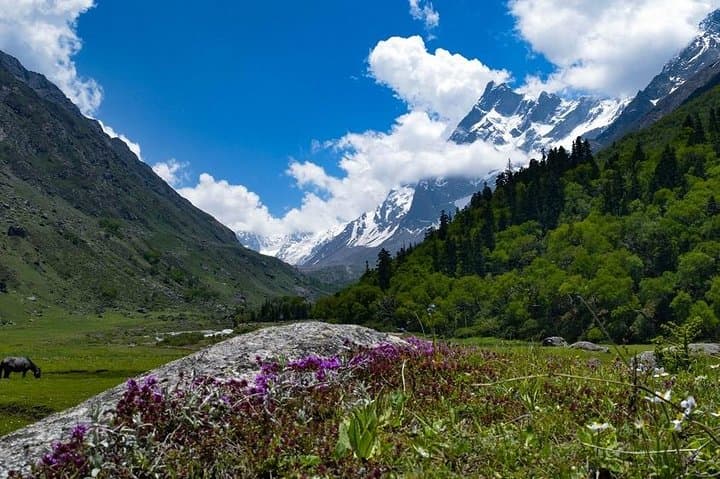
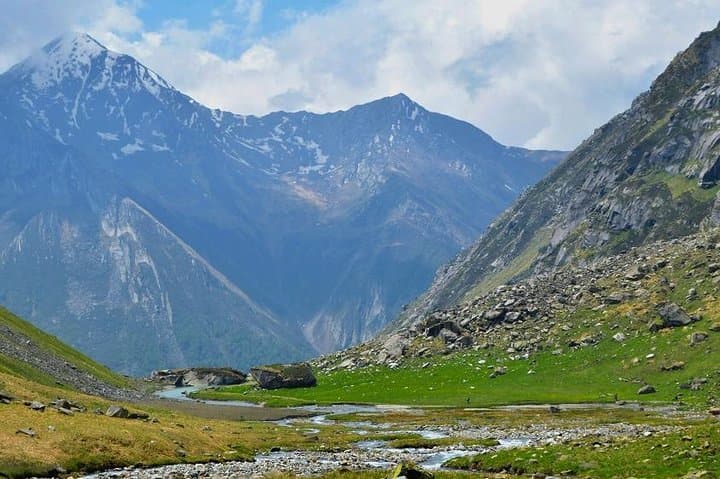
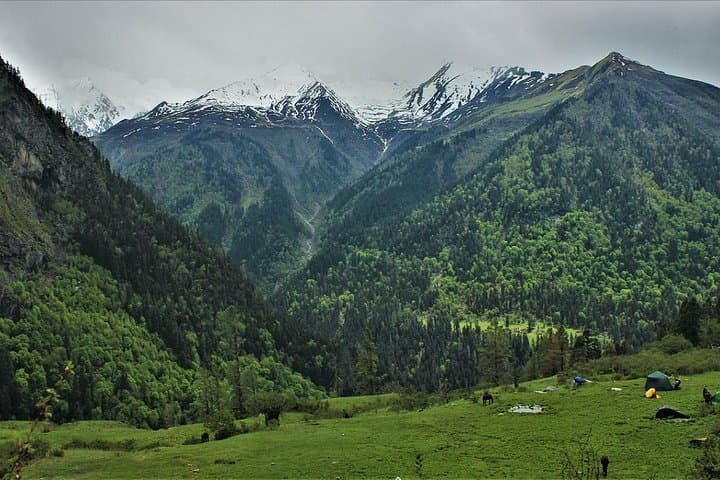
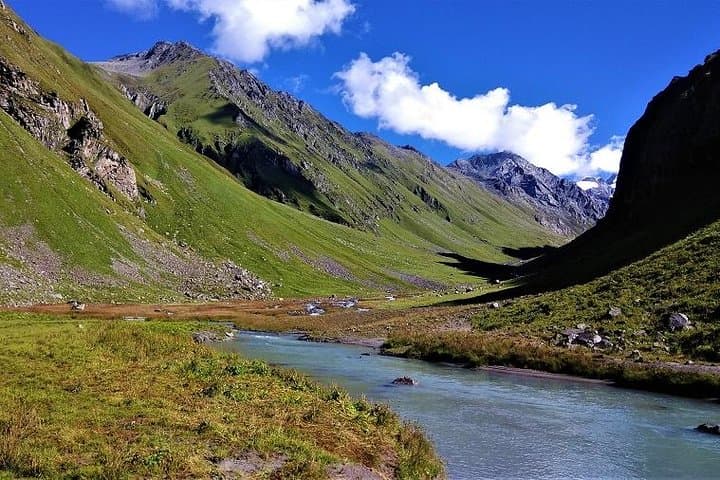
A morning in Har Ki Dun unfolds like a slow reveal: mist lifting from a U-shaped valley, pine-scented air tightening around a narrow trail, and distant ridgelines cutting the sky. Walkers move deliberately—boots whispering on loam, a river daring you to follow its white-thread course toward higher snow.
A morning in Har Ki Dun unfolds like a slow reveal: mist lifting from a U-shaped valley, pine-scented air tightening around a narrow trail, and distant ridgelines cutting the sky. Walkers move deliberately—boots whispering on loam, a river daring you to follow its white-thread course toward higher snow.
The valley sits in Uttarakhand’s Garhwal Himalaya, carved by glaciers and fed by streams that rush down from Swargarohini’s sheer north face. Locals speak of ancient routes and the Mahabharata’s Pandavas; shepherding and small stone villages remain part of daily life here. Geology is visible everywhere: moraines, steep hanging faces, and meadow basins that hold summer pastures.
Expect 6–7 days of trekking with daily uphill stretches to 3,300–3,800 m and a mix of forest tracks, alpine meadows, and rocky switchbacks. Camps and simple guesthouses in Sankri or Osla are base points; guides handle permits, meals, and route knowledge. Weather shifts fast—clear mornings can become wet afternoons—so timing matters.
Practical guidance: acclimatize on arrival, carry layers and a warm sleeping bag rated for sub-zero temperatures, and use trekking poles for steep descents. Hydrate and pace climbs to reduce altitude strain; forest entry charges and local fees apply. The reward is wide: panoramic valley views, Marinda Tal’s reflective lake, and the brute presence of Swargarohini looming above—an honest, high-altitude trek that balances remote wilderness with accessible logistics.