THE ADVENTURE COLLECTIVE® · Independent discovery and booking for outdoor travel

Sip four Korean wines and spirits in a restored hanok at Rakkojae Seoul, led by a traditional sool sommelier. Learn production stories and sample royal-style anju in an intimate, reservation-only tasting.
Sip four Korean wines and spirits in a restored hanok at Rakkojae Seoul, led by a traditional sool sommelier. Learn production stories and sample royal-style anju in an intimate, reservation-only tasting.
Step through a wooden gate and the city noise thins; the courtyard breathes with the slow rhythm of a hanok’s eaves and a faint steam from a teapot. In Rakkojae’s Culture Lounge, candlelight and polished bowls set the stage for four Korean wines and sools, each poured with measured reverence by a trained sool sommelier.
Verified experiences and guided adventures in the surrounding area.
Operated by SEOUL PASS · Seoul, Seoul
Step through a wooden gate and the city noise thins; the courtyard breathes with the slow rhythm of a hanok’s eaves and a faint steam from a teapot. In Rakkojae’s Culture Lounge, candlelight and polished bowls set the stage for four Korean wines and sools, each poured with measured reverence by a trained sool sommelier.
The setting is as much part of the lesson as the liquids: the hanok’s exposed beams and heated floors reflect centuries of Joseon-era domestic architecture, where drink culture blended ritual, medicine and regional craft. The tasting surveys makgeolli, bokbunja, baekseju and a regional distilled soju, tying fermenting techniques to rice strain, mountain water and provincial terroir rather than European grape lineage.
Culturally, the session pairs these drinks with traditional anju—light royal-style snacks—demonstrating how texture, salt and acidity change perception. If you upgrade to a gayageum performance, music threads through the tasting quietly, a human voice becoming background to the palate’s work.
Practical notes: arrive on time for this reservation-only 90-minute program, bring valid ID (adults only), and notify staff of allergies. The hanok is intimate—groups are small—so conversations are audible and questions welcome. Photography is allowed but handle tea sets and utensils carefully; they’re valuable and may incur charges if broken.
This is an urban cultural tasting that teaches provenance, production and pairing in a historic space—ideal for travelers who want a focused, sensory introduction to Korea’s living beverage traditions.
easy.
1–2 hours.
No special fitness required; accessible to travelers who can stand for short periods.
The session centers on tasting alcoholic beverages and is for adults only; non-drinkers should inform staff—options or observation-only seats may be limited.
Private or upgraded options are available by reservation—select add-ons during booking or contact the operator in advance for arrangements.
The program is conducted with a Korean sool sommelier; English commentary is commonly provided but confirm language availability when booking.
All sales are final—no refunds for cancellations, so confirm your plans before booking and arrive on time.
Rakkojae occupies a recognized hanok honoring traditional Korean architecture; the tasting links modern producers to drinking practices of the Joseon period.
The hanok is part of local heritage conservation—visitors are asked to respect structures and utensils; supporting small cultural experiences helps fund ongoing preservation.
SEOUL PASS operates guided outdoor trips and adventures with an emphasis on safety, stewardship, and memorable experiences.

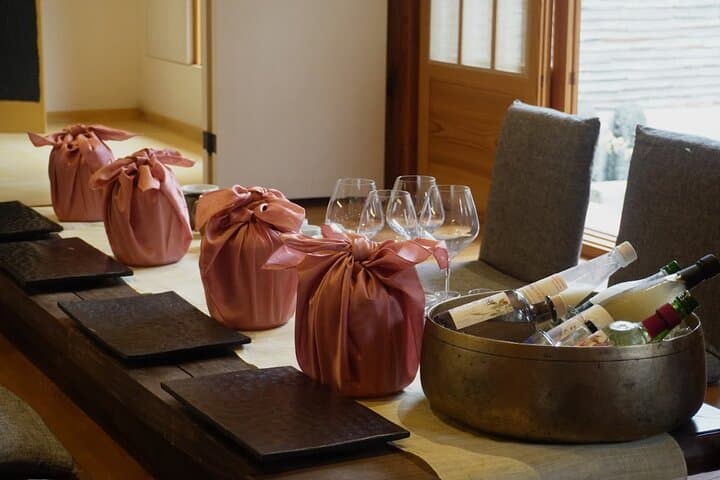


Step through a wooden gate and the city noise thins; the courtyard breathes with the slow rhythm of a hanok’s eaves and a faint steam from a teapot. In Rakkojae’s Culture Lounge, candlelight and polished bowls set the stage for four Korean wines and sools, each poured with measured reverence by a trained sool sommelier.
Step through a wooden gate and the city noise thins; the courtyard breathes with the slow rhythm of a hanok’s eaves and a faint steam from a teapot. In Rakkojae’s Culture Lounge, candlelight and polished bowls set the stage for four Korean wines and sools, each poured with measured reverence by a trained sool sommelier.
The setting is as much part of the lesson as the liquids: the hanok’s exposed beams and heated floors reflect centuries of Joseon-era domestic architecture, where drink culture blended ritual, medicine and regional craft. The tasting surveys makgeolli, bokbunja, baekseju and a regional distilled soju, tying fermenting techniques to rice strain, mountain water and provincial terroir rather than European grape lineage.
Culturally, the session pairs these drinks with traditional anju—light royal-style snacks—demonstrating how texture, salt and acidity change perception. If you upgrade to a gayageum performance, music threads through the tasting quietly, a human voice becoming background to the palate’s work.
Practical notes: arrive on time for this reservation-only 90-minute program, bring valid ID (adults only), and notify staff of allergies. The hanok is intimate—groups are small—so conversations are audible and questions welcome. Photography is allowed but handle tea sets and utensils carefully; they’re valuable and may incur charges if broken.
This is an urban cultural tasting that teaches provenance, production and pairing in a historic space—ideal for travelers who want a focused, sensory introduction to Korea’s living beverage traditions.