THE ADVENTURE COLLECTIVE® · Independent discovery and booking for outdoor travel

Walk Hanoi’s Old Quarter with an English-speaking guide to sample local favorites—bún chả, bánh mì, phở and egg coffee—at stalls frequented by residents. This 3–4 hour evening tour blends culinary history, neighborhood insights, and practical tips for first-time visitors.
Walk Hanoi’s Old Quarter with an English-speaking guide to sample local favorites—bún chả, bánh mì, phở and egg coffee—at stalls frequented by residents. This 3–4 hour evening tour blends culinary history, neighborhood insights, and practical tips for first-time visitors.
A warm, humid evening folds the Old Quarter into a corridor of light and scent—grilled pork smoke curling from a corner stall, the clatter of chopsticks, motorbikes weaving like fish through narrow streets. The tour threads you through alleys only locals use, stopping where steam rises from bowls and the air tastes of fish sauce and citrus.
Verified experiences and guided adventures in the surrounding area.
Operated by Hanoi Green Travel · Hanoi, Hanoi
A warm, humid evening folds the Old Quarter into a corridor of light and scent—grilled pork smoke curling from a corner stall, the clatter of chopsticks, motorbikes weaving like fish through narrow streets. The tour threads you through alleys only locals use, stopping where steam rises from bowls and the air tastes of fish sauce and citrus.
Hanoi’s street-food culture is built on history: French colonial baguettes became bánh mì, imperial-era court recipes evolved into the rich, simple broth of phở, and community dining around small plastic stools reflects a city that eats in public. Geologically the Red River plain gives Hanoi its flat grid; culturally the Old Quarter’s hundred-plus streets were historically trade lanes—each named for a craft or commodity—so food here carries the imprint of centuries of commerce and migration.
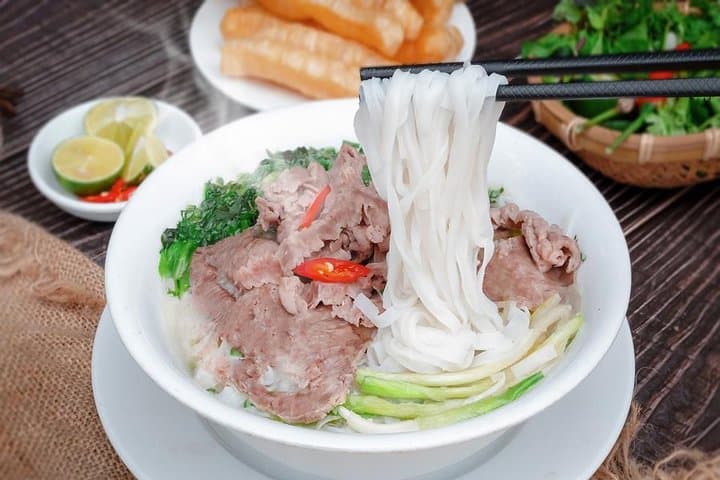
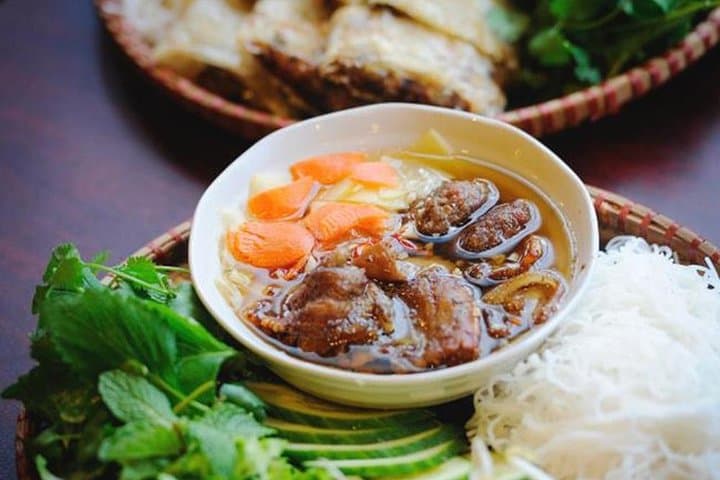
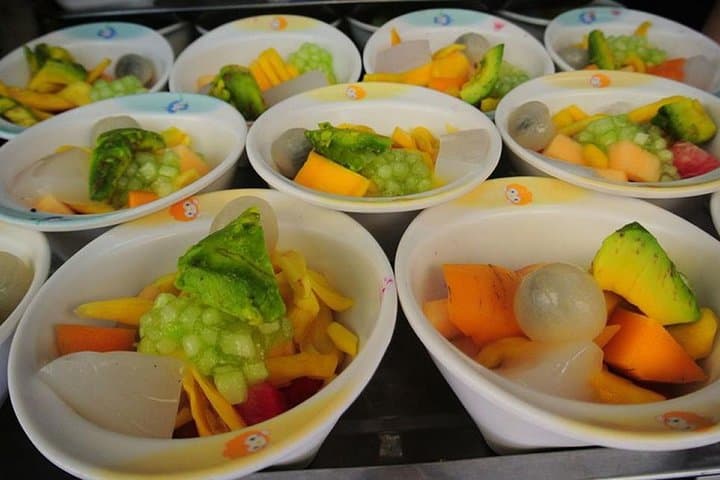
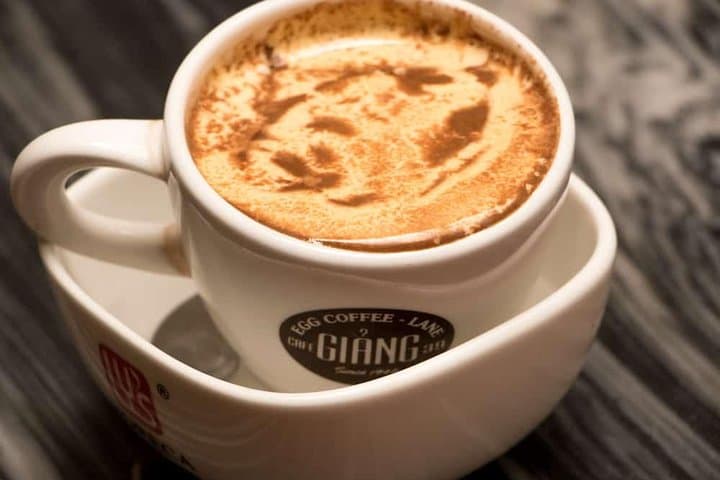
You’ll sample signature dishes: bún chả (grilled pork and noodles), bánh mì thịt, phở bò, xôi chè (sticky rice and sweet bean), and cà phê trứng (egg coffee). An English-speaking guide explains flavor origins, points out vendor etiquette, and steers you to spots frequented by locals rather than tourists.
Practical guidance: this is a 3–4 hour walking experience across uneven sidewalks with short standing periods—bring comfortable shoes, hand sanitizer, and a small amount of cash for tips or extra treats. Go hungry, follow your guide’s lead on portions, and time the tour for early evening when vendors are at their busiest. The tour balances sensory delight with straightforward logistics so you can savor Hanoi’s street-food scene with confidence and curiosity.
The tour is approximately 3–4 hours with gentle walking across the Old Quarter; expect 1.5–3 miles total with frequent food stops.
Many dishes are meat-forward, but guides can arrange vegetarian options at specific vendors if told in advance.
Yes—it's rated easy, but it involves standing and navigating crowds; families with infants should request infant seating and notify the operator.
An English-speaking guide leads the tour; other languages may not be available unless requested in advance.
Hanoi Green Travel operates guided outdoor trips and adventures with an emphasis on safety, stewardship, and memorable experiences.
A warm, humid evening folds the Old Quarter into a corridor of light and scent—grilled pork smoke curling from a corner stall, the clatter of chopsticks, motorbikes weaving like fish through narrow streets. The tour threads you through alleys only locals use, stopping where steam rises from bowls and the air tastes of fish sauce and citrus.
A warm, humid evening folds the Old Quarter into a corridor of light and scent—grilled pork smoke curling from a corner stall, the clatter of chopsticks, motorbikes weaving like fish through narrow streets. The tour threads you through alleys only locals use, stopping where steam rises from bowls and the air tastes of fish sauce and citrus.
Hanoi’s street-food culture is built on history: French colonial baguettes became bánh mì, imperial-era court recipes evolved into the rich, simple broth of phở, and community dining around small plastic stools reflects a city that eats in public. Geologically the Red River plain gives Hanoi its flat grid; culturally the Old Quarter’s hundred-plus streets were historically trade lanes—each named for a craft or commodity—so food here carries the imprint of centuries of commerce and migration.
You’ll sample signature dishes: bún chả (grilled pork and noodles), bánh mì thịt, phở bò, xôi chè (sticky rice and sweet bean), and cà phê trứng (egg coffee). An English-speaking guide explains flavor origins, points out vendor etiquette, and steers you to spots frequented by locals rather than tourists.
Practical guidance: this is a 3–4 hour walking experience across uneven sidewalks with short standing periods—bring comfortable shoes, hand sanitizer, and a small amount of cash for tips or extra treats. Go hungry, follow your guide’s lead on portions, and time the tour for early evening when vendors are at their busiest. The tour balances sensory delight with straightforward logistics so you can savor Hanoi’s street-food scene with confidence and curiosity.