THE ADVENTURE COLLECTIVE® · Independent discovery and booking for outdoor travel

Ride vintage Vespas from Hanoi across Long Bien Bridge to Bat Trang’s pottery lanes—stop for a hands-on ceramic class, tea with a local family, and countryside views. This half-day outing blends safe, guided motorbike travel with craft, culture, and rural scenery.
Ride vintage Vespas from Hanoi across Long Bien Bridge to Bat Trang’s pottery lanes—stop for a hands-on ceramic class, tea with a local family, and countryside views. This half-day outing blends safe, guided motorbike travel with craft, culture, and rural scenery.
You feel the city loosen around you as the Vespa threads through Hanoi’s Old Quarter—motor hum low, the Red River pulling light across steel rails. Crossing Long Bien Bridge, the city’s industrial edge opens into rice paddies and watery light; the countryside seems to dare you to slow down and look.
Verified experiences and guided adventures in the surrounding area.
Operated by Best Vietnam Tours · Hanoi, Hanoi
You feel the city loosen around you as the Vespa threads through Hanoi’s Old Quarter—motor hum low, the Red River pulling light across steel rails. Crossing Long Bien Bridge, the city’s industrial edge opens into rice paddies and watery light; the countryside seems to dare you to slow down and look.
Bat Trang’s narrow lanes and low-tiled roofs are the next chapter: a working pottery village with a visible lineage in every kiln-stained doorway. Pottery here traces back several centuries; local clay and simple wheel techniques shaped lives and trade long before modern tourism. The Red River floodplain has deposited fine silt that makes Bat Trang’s ceramics distinctive—earth from the river, fired by human hands.
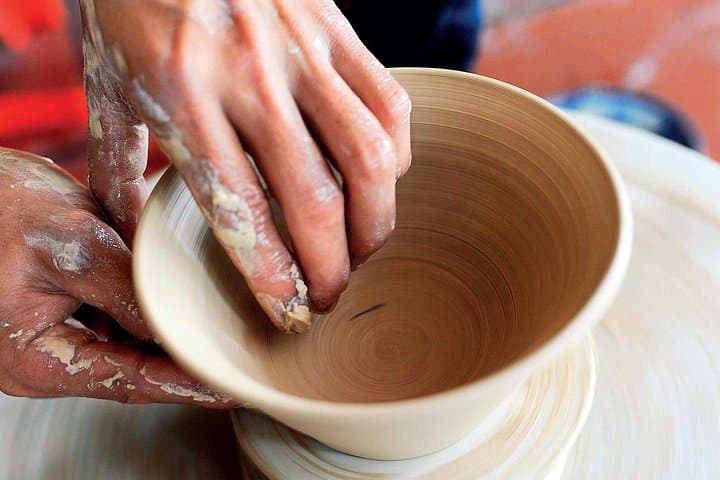
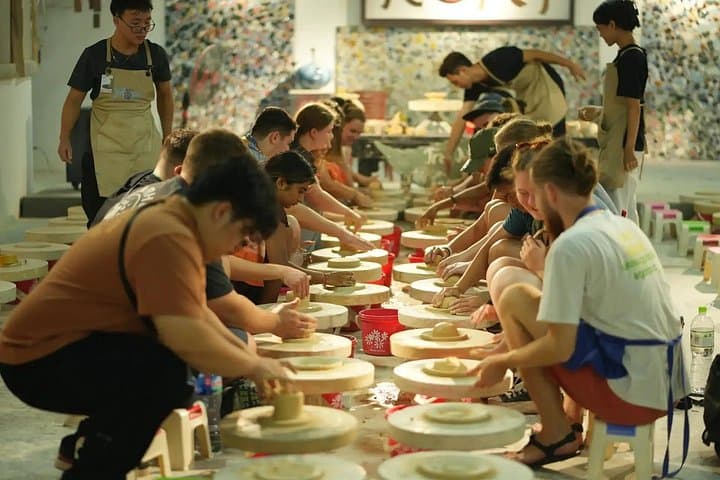
You’ll meet artisans, try a wheel in a short class, and sit for tea with a local family—small rituals that reveal daily rhythms more than showpiece performances. Guides steer routes where traffic thins and views widen: pagodas, canals, and roadside vendors selling bánh cuốn and sticky rice.
Practical angle: the half-day tour runs about 4–5 hours, with experienced drivers handling all navigation so participants can ride as passengers. Helmets and raincoats are provided; bring sun protection and a small daypack for purchases. Expect some jolts on rural surfaces and photo stops where the river and fields frame the scene.
Timing matters: mornings are cooler and quieter for photography and pottery classes, while late afternoons can return you through golden light along the river. Respect working spaces, buy directly from makers when possible, and leave no ceramics shards behind—this is active craft and an active landscape.
easy.
4–5 hours.
Suitable for most fitness levels; passengers ride on the back of a Vespa so no driving skill is required, but you should be comfortable mounting and sitting for up to a couple of hours.
No—an experienced driver operates the Vespa; participants ride as passengers and are briefed on safety before departure.
This is a half-day tour; bring only a small bag—large luggage should remain at your hotel since space on the Vespa is limited.
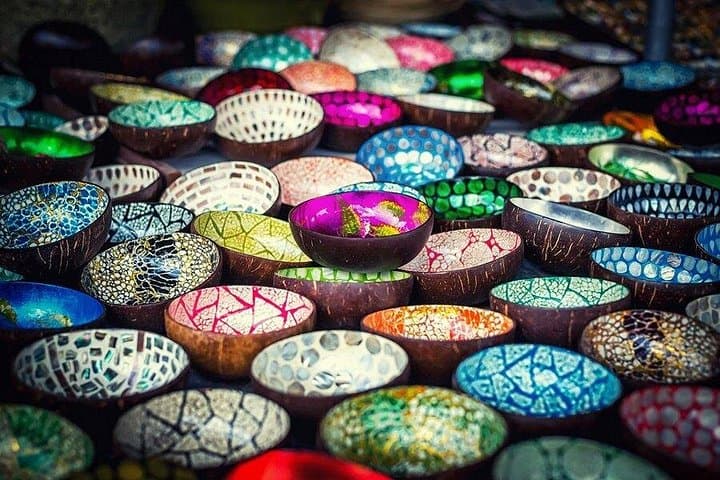
Many stalls offer local shipping or can wrap pieces; confirm shipping options and costs before buying fragile items.
Infants must sit on an adult’s lap per operator policy; discuss age and safety considerations with the guide when booking.
Bat Trang has an established pottery tradition dating back several centuries, shaped by clay deposited by the Red River and local craft guilds.
Support local makers by buying directly and avoid leaving broken ceramics or packaging in village lanes; respect kiln areas and follow guide instructions to minimize impact.
Best Vietnam Tours operates guided outdoor trips and adventures with an emphasis on safety, stewardship, and memorable experiences.

You feel the city loosen around you as the Vespa threads through Hanoi’s Old Quarter—motor hum low, the Red River pulling light across steel rails. Crossing Long Bien Bridge, the city’s industrial edge opens into rice paddies and watery light; the countryside seems to dare you to slow down and look.
You feel the city loosen around you as the Vespa threads through Hanoi’s Old Quarter—motor hum low, the Red River pulling light across steel rails. Crossing Long Bien Bridge, the city’s industrial edge opens into rice paddies and watery light; the countryside seems to dare you to slow down and look.
Bat Trang’s narrow lanes and low-tiled roofs are the next chapter: a working pottery village with a visible lineage in every kiln-stained doorway. Pottery here traces back several centuries; local clay and simple wheel techniques shaped lives and trade long before modern tourism. The Red River floodplain has deposited fine silt that makes Bat Trang’s ceramics distinctive—earth from the river, fired by human hands.
You’ll meet artisans, try a wheel in a short class, and sit for tea with a local family—small rituals that reveal daily rhythms more than showpiece performances. Guides steer routes where traffic thins and views widen: pagodas, canals, and roadside vendors selling bánh cuốn and sticky rice.
Practical angle: the half-day tour runs about 4–5 hours, with experienced drivers handling all navigation so participants can ride as passengers. Helmets and raincoats are provided; bring sun protection and a small daypack for purchases. Expect some jolts on rural surfaces and photo stops where the river and fields frame the scene.
Timing matters: mornings are cooler and quieter for photography and pottery classes, while late afternoons can return you through golden light along the river. Respect working spaces, buy directly from makers when possible, and leave no ceramics shards behind—this is active craft and an active landscape.