THE ADVENTURE COLLECTIVE® · Independent discovery and booking for outdoor travel

Spend two hours off the usual circuit to experience Hanoi’s colonial rail heritage, cramped market corners, and a local beer stop. This private walk combines a historic station square, an intimate train passage, and market life for a vivid urban snapshot.
Spend two hours off the usual circuit to experience Hanoi’s colonial rail heritage, cramped market corners, and a local beer stop. This private walk combines a historic station square, an intimate train passage, and market life for a vivid urban snapshot.
The city exhales steam and traffic; then a narrow alley falls silent as a train slides through, its wheels whispering a different tempo of Hanoi life. In two hours you move from busy streets into a small square that still carries the geometry of the early 1900s—an open room where vendors arrange their goods and the city’s rhythms read plain.
Verified experiences and guided adventures in the surrounding area.
Operated by S.E.A Wander Travel · Hanoi, Hanoi
The city exhales steam and traffic; then a narrow alley falls silent as a train slides through, its wheels whispering a different tempo of Hanoi life. In two hours you move from busy streets into a small square that still carries the geometry of the early 1900s—an open room where vendors arrange their goods and the city’s rhythms read plain.
This short, private walking tour threads colonial-era rail history with living market culture. The track you’ll follow dates to French Indochina’s rail expansion; nearby stations once linked rice, timber and colonial administrators to distant ports. Today, sellers hawk vegetables, antiques and cheap tools alongside stalls pouring fresh bia hơi—the local draft beer that anchors Hanoi’s evening social life.
Geologically the city sits on Red River alluvium; flat streets and low bridges make for easy walking but also tight urban drainage—expect puddles in the rainy season. Culturally, the tour is about observation: informal commerce, multi-generational trades, and the practical architecture that keeps a million people moving in tight quarters.
Practical guidance: wear closed shoes for alley surfaces, carry small bills for market purchases and the post-walk beer, and keep a respectful distance from active rails—photography is welcome but timing matters. The guide provides local context and entrance tickets where needed, and the pace suits most fitness levels. Two hours gives a concentrated, sensory portrait of Hanoi: tactile, loud, and quietly insistive—an urban slice best approached with curiosity, good shoes, and a sense of situational awareness.
easy.
2 hours.
Suitable for most fitness levels; involves short stretches of standing and walking on flat urban surfaces
Yes—the experience includes viewing and brief passages through areas where trains still run; the guide manages timing and safety but stay alert and follow instructions.
The tour description notes that tickets to included destinations are provided by the operator; confirm at booking if any specific museum fees are separate.
The route is flat with short walks, but alleys and crowds can be tight—not recommended for those with serious mobility limitations or spinal concerns.
Tours are private with instant confirmation; book ahead to secure preferred times, especially evenings when bia hơi stops are busiest.
The rail corridor through central Hanoi grew during the French colonial era in the early 20th century and shaped local trade patterns; the nearby station square retains that period’s urban footprint.
Keep plastic waste to a minimum and avoid stepping on tracks or vendor goods; supporting local sellers directly helps small economies and reduces larger commercial pressure.
S.E.A Wander Travel operates guided outdoor trips and adventures with an emphasis on safety, stewardship, and memorable experiences.
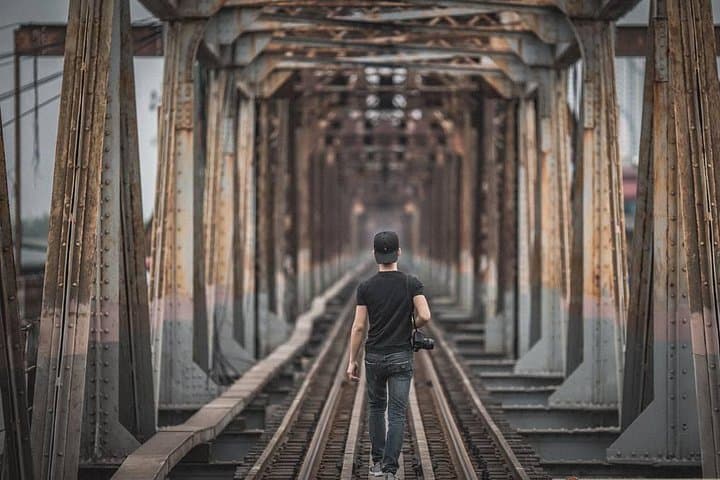
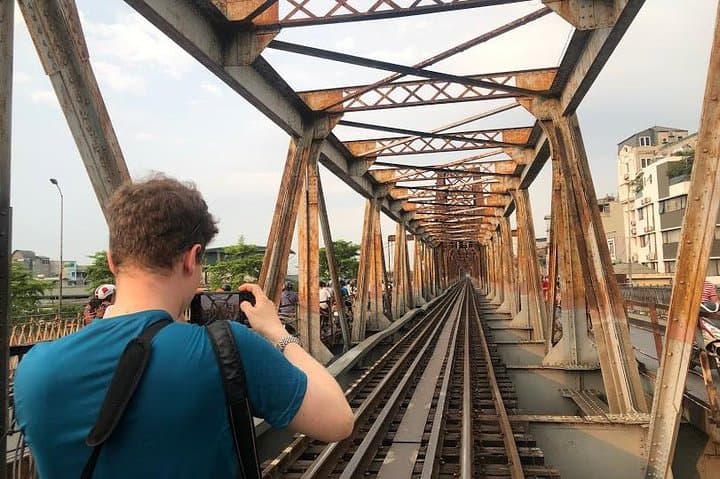
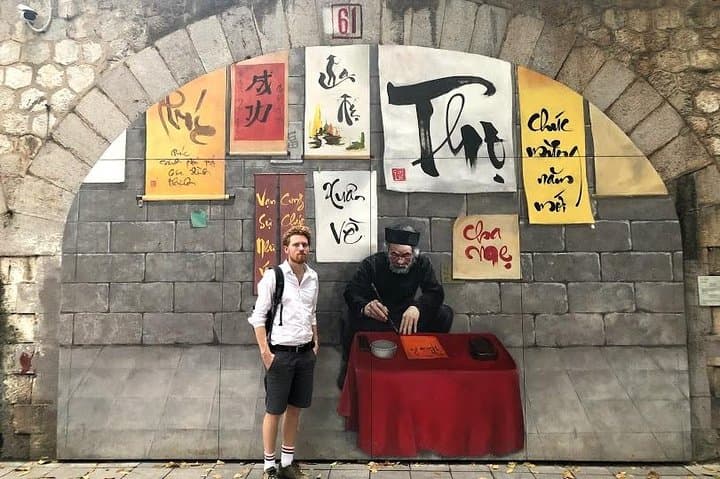
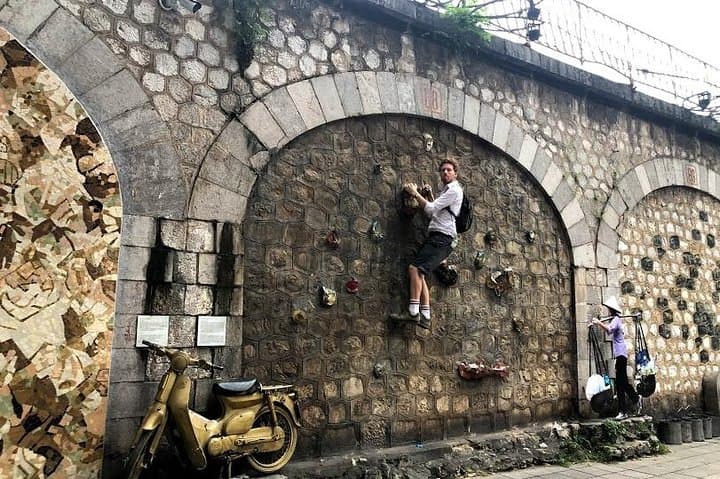
The city exhales steam and traffic; then a narrow alley falls silent as a train slides through, its wheels whispering a different tempo of Hanoi life. In two hours you move from busy streets into a small square that still carries the geometry of the early 1900s—an open room where vendors arrange their goods and the city’s rhythms read plain.
The city exhales steam and traffic; then a narrow alley falls silent as a train slides through, its wheels whispering a different tempo of Hanoi life. In two hours you move from busy streets into a small square that still carries the geometry of the early 1900s—an open room where vendors arrange their goods and the city’s rhythms read plain.
This short, private walking tour threads colonial-era rail history with living market culture. The track you’ll follow dates to French Indochina’s rail expansion; nearby stations once linked rice, timber and colonial administrators to distant ports. Today, sellers hawk vegetables, antiques and cheap tools alongside stalls pouring fresh bia hơi—the local draft beer that anchors Hanoi’s evening social life.
Geologically the city sits on Red River alluvium; flat streets and low bridges make for easy walking but also tight urban drainage—expect puddles in the rainy season. Culturally, the tour is about observation: informal commerce, multi-generational trades, and the practical architecture that keeps a million people moving in tight quarters.
Practical guidance: wear closed shoes for alley surfaces, carry small bills for market purchases and the post-walk beer, and keep a respectful distance from active rails—photography is welcome but timing matters. The guide provides local context and entrance tickets where needed, and the pace suits most fitness levels. Two hours gives a concentrated, sensory portrait of Hanoi: tactile, loud, and quietly insistive—an urban slice best approached with curiosity, good shoes, and a sense of situational awareness.