THE ADVENTURE COLLECTIVE® · Independent discovery and booking for outdoor travel

A full-day from Hanoi that blends vivid craft culture in Quang Phu Cau with a serene sampan ride through Tam Coc’s limestone passages and a visit to Hoa Lu’s ancient temples. Expect comfortable transport, a local guide, and an 11‑hour itinerary.
A full-day from Hanoi that blends vivid craft culture in Quang Phu Cau with a serene sampan ride through Tam Coc’s limestone passages and a visit to Hoa Lu’s ancient temples. Expect comfortable transport, a local guide, and an 11‑hour itinerary.
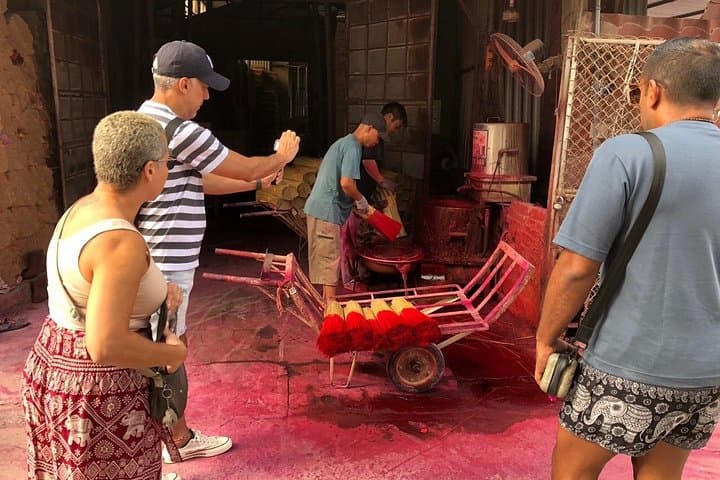
Morning light on the highway softens Hanoi’s edges as the van pushes south toward a landscape that feels older than the city’s motorbike rush. By mid-morning you step into Quang Phu Cau’s bright incense fields: sticks drying in neat red stacks, workers moving like punctuation through rows of scent. The village welcomes you with hands-on craft and a clear view into rural industry.
Verified experiences and guided adventures in the surrounding area.
Operated by Local Tours SAPA · Ninh Binh, Ninh Binh
Morning light on the highway softens Hanoi’s edges as the van pushes south toward a landscape that feels older than the city’s motorbike rush. By mid-morning you step into Quang Phu Cau’s bright incense fields: sticks drying in neat red stacks, workers moving like punctuation through rows of scent. The village welcomes you with hands-on craft and a clear view into rural industry.
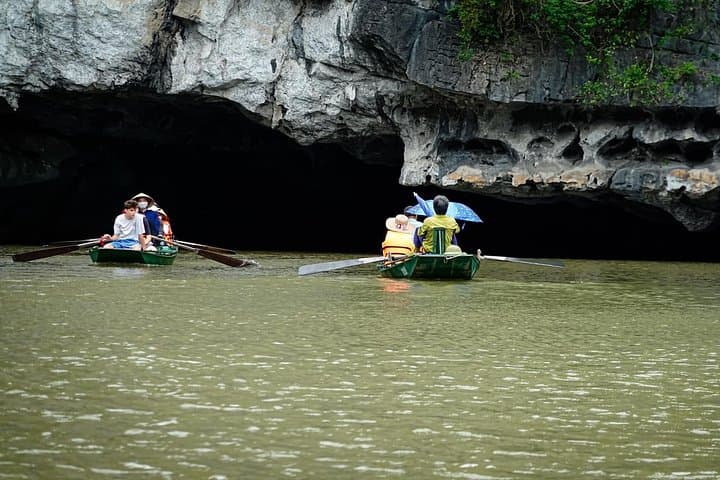
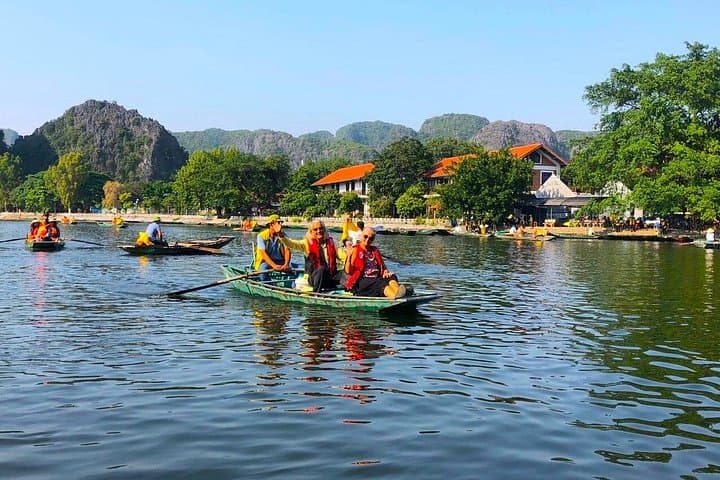
The region’s limestone karst towers define the next act. Tam Coc’s river threads between steep, eroded cliffs—water that has worn passages through limestone for millennia and now guides low, wooden sampans under cool cave mouths. The river pushes and pulls the day forward; your rower reads the current like a book and passes through bowl-shaped caves that hold stalactites and shadow.
Later, Hoa Lu’s temples and earthworks tell a short, dense chapter of Vietnamese state formation: a 10th–11th century capital where the Dinh and early Le dynasties left simple stone gates and ritual platforms. The guide ties place to practice—how incense fuels worship, how river routes shaped settlement, and how rice and boat life still govern the valley’s pace.
Practical edge: the day is long but low-impact—short walks, a seated boat, and regular stops. Bring layered sun protection, cash for small purchases, and a camera with spare batteries. Respect working spaces in the village and avoid stepping into drying incense racks. Expect 11 hours from Hanoi, comfortable transport, an English-speaking guide, entrance fees included, and a Vietnamese lunch en route. This trip mixes cultural portraiture with slow, watery landscape—ideal for travelers who want scenery, local craft, and a quiet history lesson in one day.
moderate.
11 hours.
Suitable for average fitness—short flat walks and seated boat travel; not strenuous but long day.
The full-day tour runs about 11 hours door-to-door, with hotel pick-up from Hanoi Old Quarter in the morning and return in the early evening.
Yes—entrance fees for Tam Coc and Hoa Lu plus a Vietnamese lunch are included in the tour price.
Sampans are low and stable on calm stretches; if you are prone to motion sickness, sit in the middle and bring medication.
Yes—operators can handle vegetarian, vegan, and gluten-free requests if noted at booking.
Hoa Lu served as Vietnam’s capital in the 10th–11th centuries under the Dinh and early Le dynasties; remaining temples mark royal and religious sites from that era.
The area’s wetlands and rice plains are sensitive—avoid litter, support local craft sellers directly, and choose operators who follow safe boating practices.
Local Tours SAPA operates guided outdoor trips and adventures with an emphasis on safety, stewardship, and memorable experiences.

Morning light on the highway softens Hanoi’s edges as the van pushes south toward a landscape that feels older than the city’s motorbike rush. By mid-morning you step into Quang Phu Cau’s bright incense fields: sticks drying in neat red stacks, workers moving like punctuation through rows of scent. The village welcomes you with hands-on craft and a clear view into rural industry.
Morning light on the highway softens Hanoi’s edges as the van pushes south toward a landscape that feels older than the city’s motorbike rush. By mid-morning you step into Quang Phu Cau’s bright incense fields: sticks drying in neat red stacks, workers moving like punctuation through rows of scent. The village welcomes you with hands-on craft and a clear view into rural industry.
The region’s limestone karst towers define the next act. Tam Coc’s river threads between steep, eroded cliffs—water that has worn passages through limestone for millennia and now guides low, wooden sampans under cool cave mouths. The river pushes and pulls the day forward; your rower reads the current like a book and passes through bowl-shaped caves that hold stalactites and shadow.
Later, Hoa Lu’s temples and earthworks tell a short, dense chapter of Vietnamese state formation: a 10th–11th century capital where the Dinh and early Le dynasties left simple stone gates and ritual platforms. The guide ties place to practice—how incense fuels worship, how river routes shaped settlement, and how rice and boat life still govern the valley’s pace.
Practical edge: the day is long but low-impact—short walks, a seated boat, and regular stops. Bring layered sun protection, cash for small purchases, and a camera with spare batteries. Respect working spaces in the village and avoid stepping into drying incense racks. Expect 11 hours from Hanoi, comfortable transport, an English-speaking guide, entrance fees included, and a Vietnamese lunch en route. This trip mixes cultural portraiture with slow, watery landscape—ideal for travelers who want scenery, local craft, and a quiet history lesson in one day.