THE ADVENTURE COLLECTIVE® · Independent discovery and booking for outdoor travel

Take an overnight bus from Hanoi to Sapa, explore Cat Cat village, then ride the cable car toward Fansipan — the Roof of Indochina. This 2-day tour pairs cultural village walks with a quick, dramatic ascent to 3,143 m.
Take an overnight bus from Hanoi to Sapa, explore Cat Cat village, then ride the cable car toward Fansipan — the Roof of Indochina. This 2-day tour pairs cultural village walks with a quick, dramatic ascent to 3,143 m.
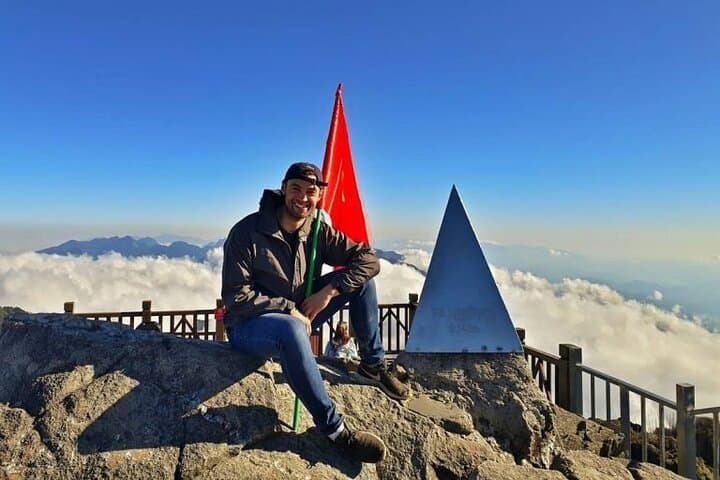
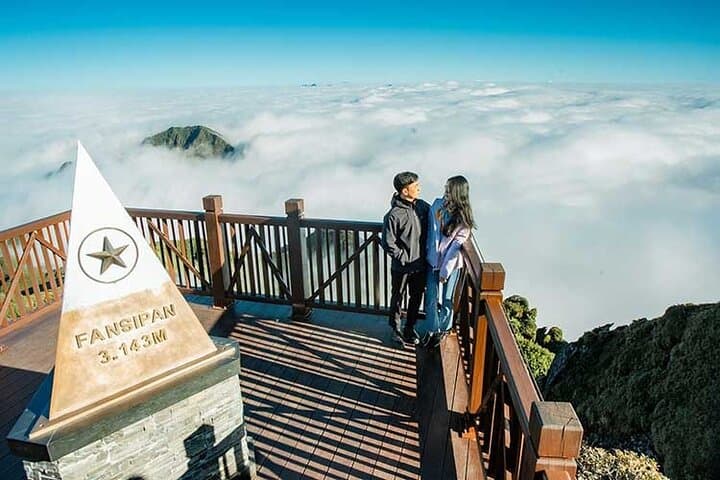
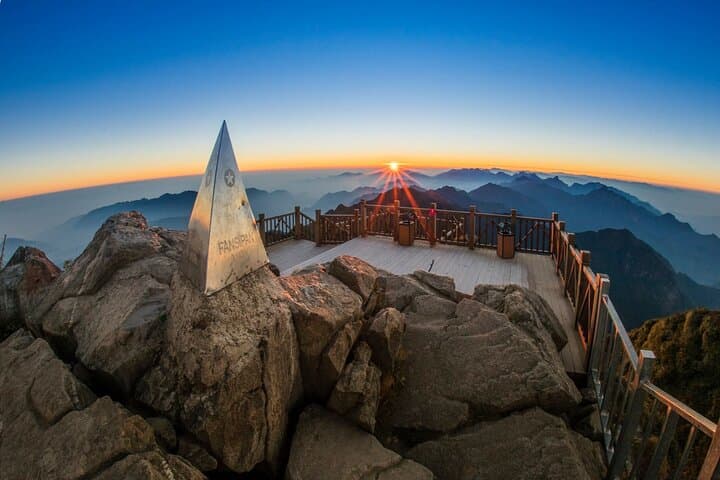
You step off the overnight sleeper bus into a cool mountain morning and the town of Sapa opens like a workbench of terraces and fog. Rice benches slope away into Muong Hoa Valley, H’mong women move between stalls in bright textiles, and a cable car ribbon threads the ridge toward Fansipan—Indochina’s highest summit at 3,143 m.
Verified experiences and guided adventures in the surrounding area.
Operated by Local Tours HALONG · Sapa, Lao Cai
You step off the overnight sleeper bus into a cool mountain morning and the town of Sapa opens like a workbench of terraces and fog. Rice benches slope away into Muong Hoa Valley, H’mong women move between stalls in bright textiles, and a cable car ribbon threads the ridge toward Fansipan—Indochina’s highest summit at 3,143 m.
Fansipan sits on the Hoang Lien range, a product of tectonic uplift and heavy monsoon erosion that carved steep valleys and exposed granite outcrops. The modern cable car (opened in 2016) shrinks what used to be a multi-day climb into a 20–25 minute ascent to the 2,800 m station; from there a stepped stone stair leads about 600 steps to the crowned peak and a small pagoda complex.
Culture here is lived in layers: Dao and H’mong villages, wooden stilt houses, and handwoven textiles that reflect centuries of mountain life. On day one the tour hikes down to Cat Cat village and its waterfall, a compact introduction to local craft and valley geology.
Practical guidance: be ready for temperature swings—Sapa sits around 1,500 m, Fansipan reaches 3,143 m. Plan sturdy footwear for uneven paths and the summit stairs, carry 1–2 liters of water, and allow time for acclimatization; the cable car shortens altitude exposure but the final climb is steep. Expect ~6 hours each way by sleeper bus from Hanoi, 1–2 hours of guided hiking in Cat Cat, and 2–3 hours on the Fansipan visit. Bring a light insulated layer, rain protection, and a charged camera—views and clouds move fast here.
moderate.
2 days.
Moderate fitness: able to walk 1–3 hours on uneven trails and climb steep stone steps; comfortable with short bursts of exertion at altitude.
The cable car takes about 20–25 minutes to reach the upper station near 2,800 m; expect additional time to queue for tickets and board.
Yes—after the cable car you can climb roughly 600 stone steps to the summit; the program allows about 1–1.5 hours for the ascent, photos and descent.
The tour includes roundtrip sleeper bus Hanoi–Sapa, minivan transfers in Sapa, cable car return ticket, selected meals (2 lunches, 1 dinner, 1 breakfast), and hotel accommodation in a 3–4 star property.
There are multi-day trekking routes to Fansipan, but they are not part of this 2-day itinerary; trekking requires extra time, a local guide, and permits.
Fansipan has long been a cultural landmark for H’mong, Dao and other highland communities; modern access changed after the cable car opened in 2016, increasing visitor numbers.
Tourism brings income but also pressure—stick to marked paths, avoid littering, and support local sellers and licensed guides to help sustain the landscape and communities.
Local Tours HALONG operates guided outdoor trips and adventures with an emphasis on safety, stewardship, and memorable experiences.

You step off the overnight sleeper bus into a cool mountain morning and the town of Sapa opens like a workbench of terraces and fog. Rice benches slope away into Muong Hoa Valley, H’mong women move between stalls in bright textiles, and a cable car ribbon threads the ridge toward Fansipan—Indochina’s highest summit at 3,143 m.
You step off the overnight sleeper bus into a cool mountain morning and the town of Sapa opens like a workbench of terraces and fog. Rice benches slope away into Muong Hoa Valley, H’mong women move between stalls in bright textiles, and a cable car ribbon threads the ridge toward Fansipan—Indochina’s highest summit at 3,143 m.
Fansipan sits on the Hoang Lien range, a product of tectonic uplift and heavy monsoon erosion that carved steep valleys and exposed granite outcrops. The modern cable car (opened in 2016) shrinks what used to be a multi-day climb into a 20–25 minute ascent to the 2,800 m station; from there a stepped stone stair leads about 600 steps to the crowned peak and a small pagoda complex.
Culture here is lived in layers: Dao and H’mong villages, wooden stilt houses, and handwoven textiles that reflect centuries of mountain life. On day one the tour hikes down to Cat Cat village and its waterfall, a compact introduction to local craft and valley geology.
Practical guidance: be ready for temperature swings—Sapa sits around 1,500 m, Fansipan reaches 3,143 m. Plan sturdy footwear for uneven paths and the summit stairs, carry 1–2 liters of water, and allow time for acclimatization; the cable car shortens altitude exposure but the final climb is steep. Expect ~6 hours each way by sleeper bus from Hanoi, 1–2 hours of guided hiking in Cat Cat, and 2–3 hours on the Fansipan visit. Bring a light insulated layer, rain protection, and a charged camera—views and clouds move fast here.