THE ADVENTURE COLLECTIVE® · Independent discovery and booking for outdoor travel

A brisk two-day trek from Hanoi to Sapa that pairs scenic rice terraces with an authentic homestay in Ta Van. Hike through Muong Hoa Valley, meet ethnic communities, and sleep in a family bungalow under the highland sky.
A brisk two-day trek from Hanoi to Sapa that pairs scenic rice terraces with an authentic homestay in Ta Van. Hike through Muong Hoa Valley, meet ethnic communities, and sleep in a family bungalow under the highland sky.
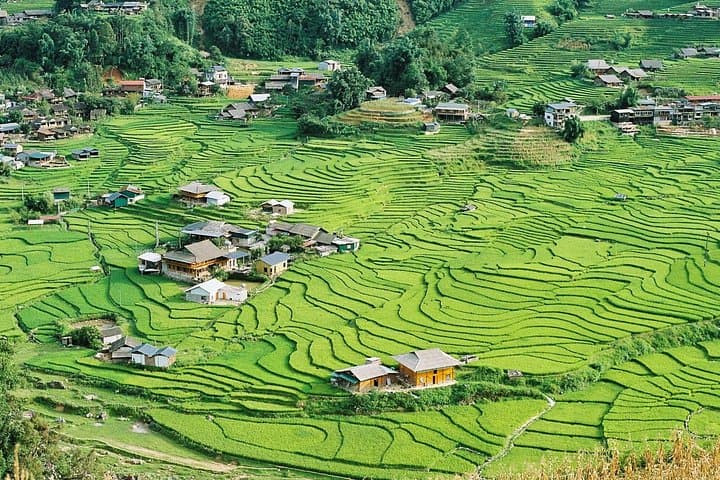
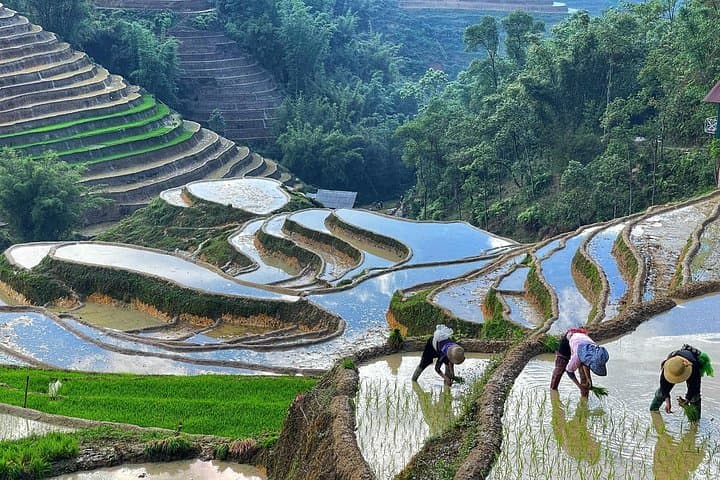
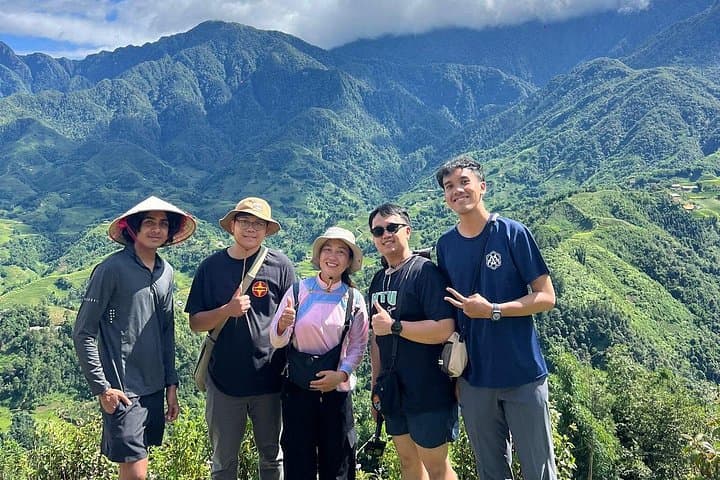
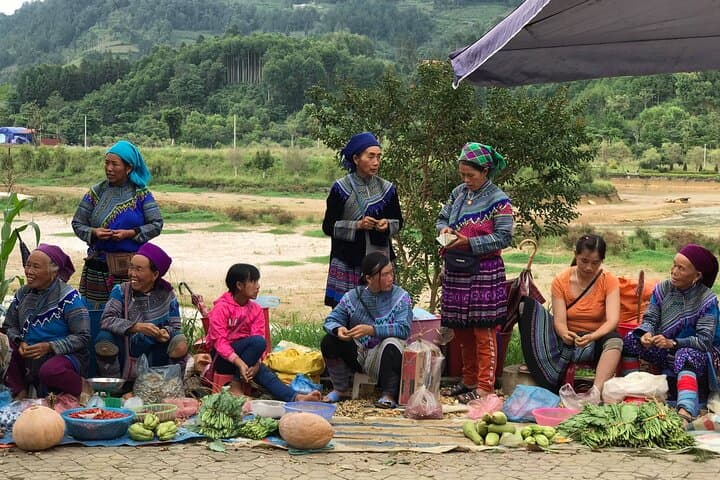
A cold morning in Hanoi gives way to a bus that threads lowland rice paddies and climbs toward the Hoang Lien Son foothills. By mid-afternoon the air is thinner and the slopes open: stepped rice terraces spill down to a silver stream, and washerwomen and children in indigo and embroidered jackets move with the day's rhythm. Hikers set off from Y Linh Ho, following Muong Hoa Stream, past Lao Chai's wooden houses, and into Ta Van where a family homestay provides a bedside view of sunset on the ridgeline.
Verified experiences and guided adventures in the surrounding area.
Operated by Classic Tourist · Sapa, Lao Cai
A cold morning in Hanoi gives way to a bus that threads lowland rice paddies and climbs toward the Hoang Lien Son foothills. By mid-afternoon the air is thinner and the slopes open: stepped rice terraces spill down to a silver stream, and washerwomen and children in indigo and embroidered jackets move with the day's rhythm. Hikers set off from Y Linh Ho, following Muong Hoa Stream, past Lao Chai's wooden houses, and into Ta Van where a family homestay provides a bedside view of sunset on the ridgeline.
The trails here were shaped by generations of Tay, Black Hmong, Red Dzao and Giay people—cultures that built the irrigation and terrace patterns still visible from the valley. Geologically, the massif of Hoang Lien Son is young, folded limestone and granite rising toward Fansipan, which frames many of the valley views. Local life is village-paced: markets, textile crafts, and rice cultivation govern daily schedules.
Practically, the route is short but uneven—expect narrow footpaths, bamboo groves, and stone steps. Day one covers roughly 9 km and 3–4 hours of hiking; day two adds about 4 km. Packing light matters: a waterproof layer, sturdy boots, and a small daypack will make homestay evenings more comfortable. Hydrate at each stop, carry small change for souvenirs, and keep noise low near houses—this is working countryside, not a resort. Whether you go for the terraces, the people, or the simple night in a village bungalow, the trek offers compact, highland immersion that rewards steady shoes and an open mind.
moderate.
2 days (approx. 48 hours).
Suitable for travelers with basic fitness who can walk 3–5 hours across uneven terrain; short steep sections exist.
Pickup is arranged from the Old Quarter in the early morning; confirm your hotel pickup point when booking.
Overnight is in a local bungalow homestay—rooms may be private or shared depending on group size and availability.
Meals listed in the itinerary (1 dinner, 2 lunches, 1 breakfast) are included and feature local dishes; indicate dietary needs when booking.
The itinerary is rated physically easy to moderate, but not advised for those with serious heart conditions; check mobility for uneven terrain before booking.
The terraces and settlement patterns reflect centuries of ethnic cultivation by H'mong, Dzao, Tay and Giay communities who adapted steep slopes for rice farming.
Tourism can erode trails and strain water use; stay on marked paths, support local homestays, and pack out waste to minimize impact.
Classic Tourist operates guided outdoor trips and adventures with an emphasis on safety, stewardship, and memorable experiences.
A cold morning in Hanoi gives way to a bus that threads lowland rice paddies and climbs toward the Hoang Lien Son foothills. By mid-afternoon the air is thinner and the slopes open: stepped rice terraces spill down to a silver stream, and washerwomen and children in indigo and embroidered jackets move with the day's rhythm. Hikers set off from Y Linh Ho, following Muong Hoa Stream, past Lao Chai's wooden houses, and into Ta Van where a family homestay provides a bedside view of sunset on the ridgeline.
A cold morning in Hanoi gives way to a bus that threads lowland rice paddies and climbs toward the Hoang Lien Son foothills. By mid-afternoon the air is thinner and the slopes open: stepped rice terraces spill down to a silver stream, and washerwomen and children in indigo and embroidered jackets move with the day's rhythm. Hikers set off from Y Linh Ho, following Muong Hoa Stream, past Lao Chai's wooden houses, and into Ta Van where a family homestay provides a bedside view of sunset on the ridgeline.
The trails here were shaped by generations of Tay, Black Hmong, Red Dzao and Giay people—cultures that built the irrigation and terrace patterns still visible from the valley. Geologically, the massif of Hoang Lien Son is young, folded limestone and granite rising toward Fansipan, which frames many of the valley views. Local life is village-paced: markets, textile crafts, and rice cultivation govern daily schedules.
Practically, the route is short but uneven—expect narrow footpaths, bamboo groves, and stone steps. Day one covers roughly 9 km and 3–4 hours of hiking; day two adds about 4 km. Packing light matters: a waterproof layer, sturdy boots, and a small daypack will make homestay evenings more comfortable. Hydrate at each stop, carry small change for souvenirs, and keep noise low near houses—this is working countryside, not a resort. Whether you go for the terraces, the people, or the simple night in a village bungalow, the trek offers compact, highland immersion that rewards steady shoes and an open mind.