THE ADVENTURE COLLECTIVE® · Independent discovery and booking for outdoor travel

A seven-day loop linking Hanoi, Halong Bay and Angkor Wat that combines limestone seascapes with Khmer temple complexes. Expect guided sightseeing, an overnight Halong cruise and local cultural experiences in both Vietnam and Cambodia.
A seven-day loop linking Hanoi, Halong Bay and Angkor Wat that combines limestone seascapes with Khmer temple complexes. Expect guided sightseeing, an overnight Halong cruise and local cultural experiences in both Vietnam and Cambodia.
You step out into Hanoi’s Old Quarter at dusk: scooters hum, lanterns wobble, and a cyclo carries you past narrow shophouses toward bowls of steaming pho. Two countries and seven days later you’ll be paddling beside limestone towers in Halong Bay and watching the sun peel back the silhouette of Angkor Wat—each place offering a different chapter of Southeast Asia’s living history.
Verified experiences and guided adventures in the surrounding area.
Operated by Grayline Vietnam Threeland Travel · Hanoi, Hanoi
You step out into Hanoi’s Old Quarter at dusk: scooters hum, lanterns wobble, and a cyclo carries you past narrow shophouses toward bowls of steaming pho. Two countries and seven days later you’ll be paddling beside limestone towers in Halong Bay and watching the sun peel back the silhouette of Angkor Wat—each place offering a different chapter of Southeast Asia’s living history.
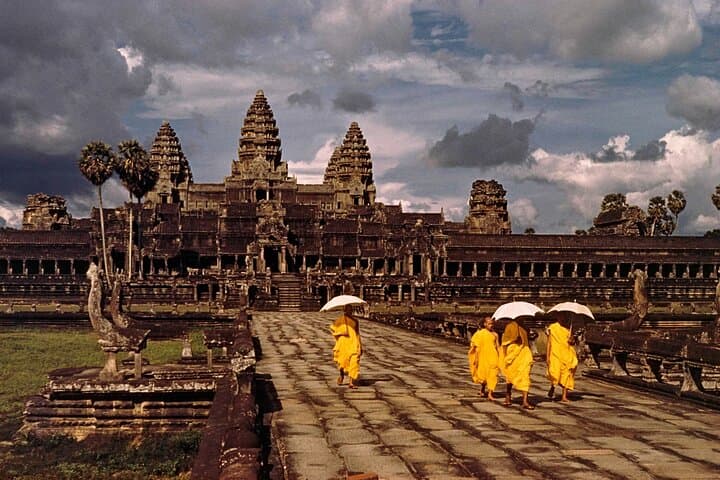
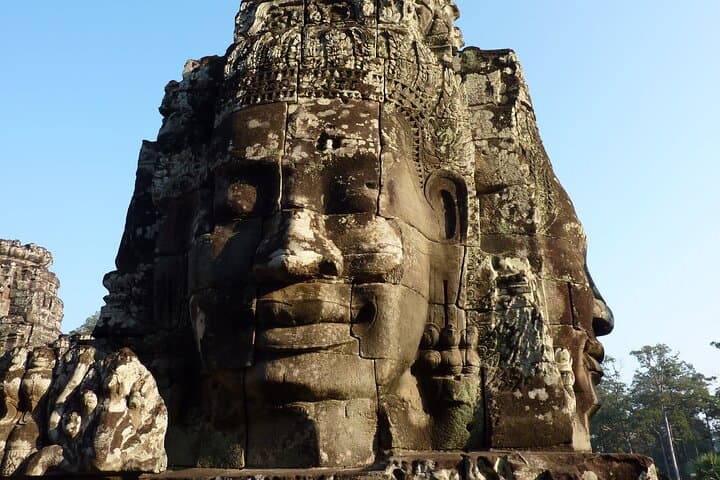
The route stitches together distinct geologies and cultures. Halong Bay’s karst towers were sculpted by millennia of sea and rain, now punctuated by floating fishing villages and emerald coves. Angkor’s temples are the stone record of the Khmer Empire—intricate bas-reliefs, collapsed galleries reclaimed by strangler figs at Ta Prohm, and the serene terraces of Bayon. Hanoi itself layers French colonial boulevards over centuries of Vietnamese trade and craft traditions, with the Old Quarter still organized around historic guild streets.
Practical guidance: pacing is deliberate—expect two overnight hotel stays, one on a non-private junk in Halong Bay, and guided days in both Hanoi and Siem Reap. Bring footwear that dries quickly for boat decks and temple steps, carry a reusable water bottle and electrolytes for humid days, and permit at least 45 minutes between transfers and flights when the itinerary moves you across borders. Respect temple dress codes (shoulders and knees covered) and book morning Angkor visits to avoid midday heat.
This trip balances scenic spectacle with cultural immersion: early-morning temple climbs, late-afternoon cruising through jungle-wrapped islands, and evenings spent sampling street-food specialties—each day a manageable stretch of terrain and discovery.
moderate.
7 days.
Suitable for travelers with basic fitness—able to manage several hours of walking, temple steps and short boat transfers each day.
Most travelers require visas for Vietnam and Cambodia—check nationality-specific entry rules and arrange Vietnam visa approval letter provided or secure visas in advance when required.
The itinerary includes a cruise on a non-private junk; activities and cabins are shared with other guests unless you request and pay for an upgrade.
Yes—many itineraries include swimming and optional kayaking in calm coves or Luon Cave’s ringed inlet; follow crew safety briefings and avoid swimming near boat traffic.
Dress respectfully: cover shoulders and knees for temple entry; breathable, lightweight fabrics work best in heat.
Halong Bay is a UNESCO Natural World Heritage formed by ancient karst processes; Angkor was the political and spiritual heart of the Khmer Empire from the 9th to 15th centuries.
Tourism pressure affects both fragile karst ecosystems and temple stonework—stay on designated paths, avoid touching bas-reliefs, and reduce plastic waste by using refillable bottles.
Grayline Vietnam Threeland Travel operates guided outdoor trips and adventures with an emphasis on safety, stewardship, and memorable experiences.
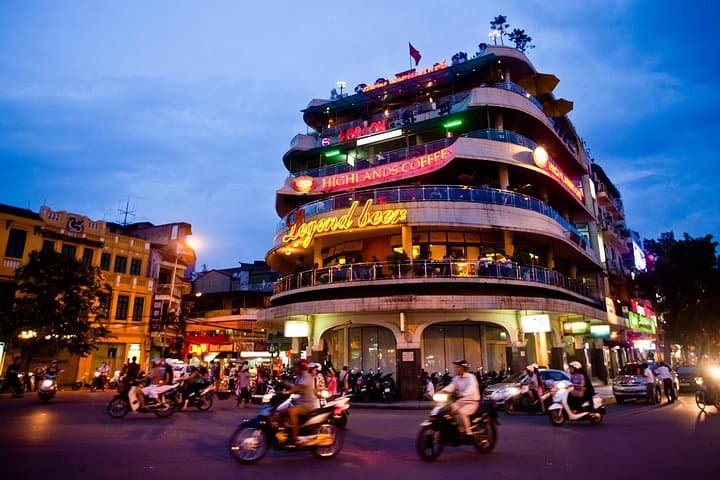
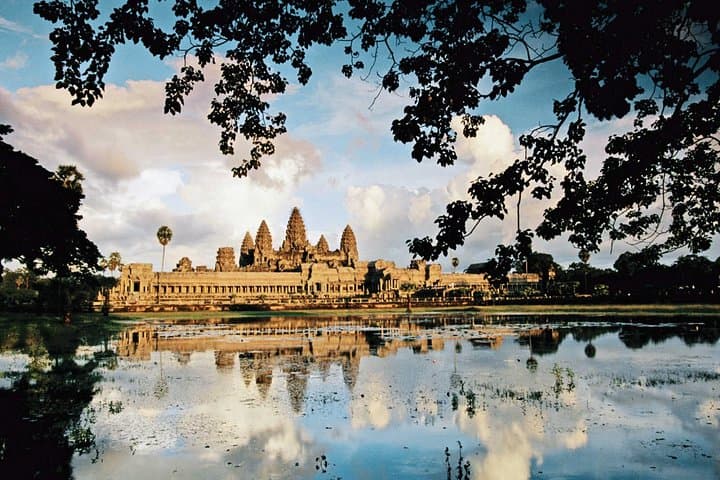
You step out into Hanoi’s Old Quarter at dusk: scooters hum, lanterns wobble, and a cyclo carries you past narrow shophouses toward bowls of steaming pho. Two countries and seven days later you’ll be paddling beside limestone towers in Halong Bay and watching the sun peel back the silhouette of Angkor Wat—each place offering a different chapter of Southeast Asia’s living history.
You step out into Hanoi’s Old Quarter at dusk: scooters hum, lanterns wobble, and a cyclo carries you past narrow shophouses toward bowls of steaming pho. Two countries and seven days later you’ll be paddling beside limestone towers in Halong Bay and watching the sun peel back the silhouette of Angkor Wat—each place offering a different chapter of Southeast Asia’s living history.
The route stitches together distinct geologies and cultures. Halong Bay’s karst towers were sculpted by millennia of sea and rain, now punctuated by floating fishing villages and emerald coves. Angkor’s temples are the stone record of the Khmer Empire—intricate bas-reliefs, collapsed galleries reclaimed by strangler figs at Ta Prohm, and the serene terraces of Bayon. Hanoi itself layers French colonial boulevards over centuries of Vietnamese trade and craft traditions, with the Old Quarter still organized around historic guild streets.
Practical guidance: pacing is deliberate—expect two overnight hotel stays, one on a non-private junk in Halong Bay, and guided days in both Hanoi and Siem Reap. Bring footwear that dries quickly for boat decks and temple steps, carry a reusable water bottle and electrolytes for humid days, and permit at least 45 minutes between transfers and flights when the itinerary moves you across borders. Respect temple dress codes (shoulders and knees covered) and book morning Angkor visits to avoid midday heat.
This trip balances scenic spectacle with cultural immersion: early-morning temple climbs, late-afternoon cruising through jungle-wrapped islands, and evenings spent sampling street-food specialties—each day a manageable stretch of terrain and discovery.