THE ADVENTURE COLLECTIVE® · Independent discovery and booking for outdoor travel

Skip the slow road and take to the sky: a 45–60 minute seaplane transfer from Hanoi lands you at Tuan Chau Island Marina, delivering unforgettable aerial views of Halong Bay’s limestone karsts and a dramatic water landing. Read on for what to expect and how to prepare.
Skip the slow road and take to the sky: a 45–60 minute seaplane transfer from Hanoi lands you at Tuan Chau Island Marina, delivering unforgettable aerial views of Halong Bay’s limestone karsts and a dramatic water landing. Read on for what to expect and how to prepare.
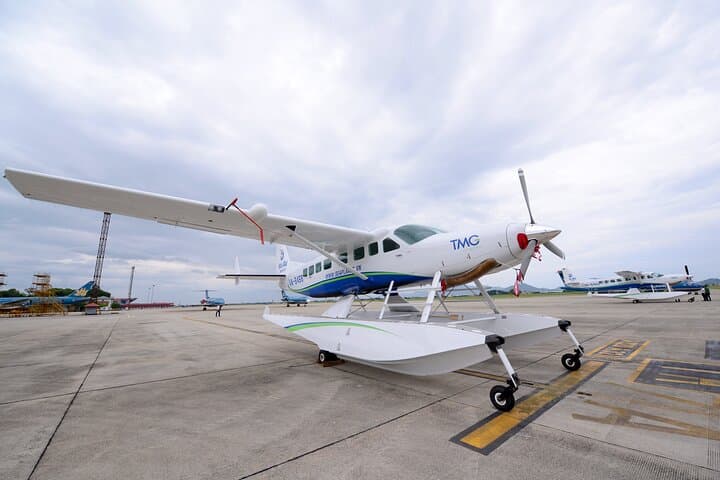
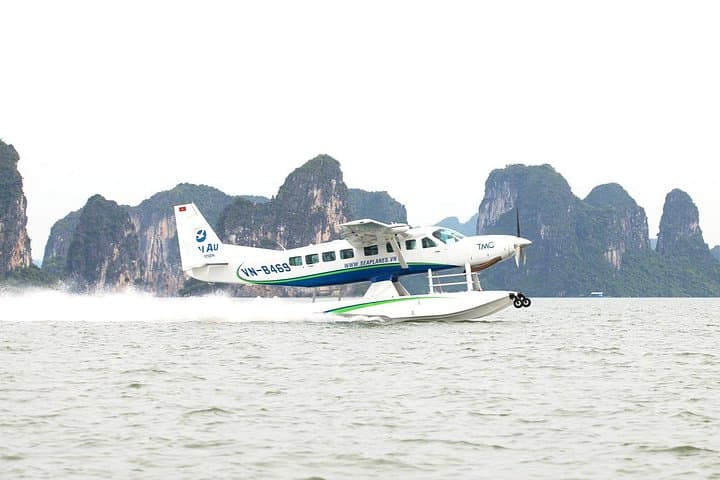
You feel the engines spool as Hanoi slips beneath a checkerboard of rice paddies and the Red River unwinds like braided silver. In less than an hour the coastline appears: a scatter of limestone karsts rising from jade water, fishing rafts threading between them. The seaplane eases down for a water landing at Tuan Chau Island Marina — a small, cinematic moment that turns a transfer into the highlight of a short trip.
Verified experiences and guided adventures in the surrounding area.
Operated by Hai Au Aviation · Halong, Quang Ninh
You feel the engines spool as Hanoi slips beneath a checkerboard of rice paddies and the Red River unwinds like braided silver. In less than an hour the coastline appears: a scatter of limestone karsts rising from jade water, fishing rafts threading between them. The seaplane eases down for a water landing at Tuan Chau Island Marina — a small, cinematic moment that turns a transfer into the highlight of a short trip.
Halong Bay’s karsts are the visible pages of a long geological story: layers of limestone sculpted by erosion over hundreds of millions of years, punctuated by sea-level changes and reef growth. Designated a UNESCO World Heritage Site, the bay also holds a living cultural layer — floating fishing villages and stilted houses where a maritime way of life persists alongside growing tourism.
Practical guidance: pack light and bring your passport for boarding; flights run about 45–60 minutes and can include a 15-minute extended scenic loop. Window seats are best for photos of the mosaic of islets and the green-brown delta below. Expect gentle motion during water takeoffs and landings; those with cardiovascular concerns should consult a physician. Weather can alter schedules — operators may cancel in rough conditions.
On arrival, ground transfers to Halong City or cruise piers are typically arranged. Time your flight to connect with cruise departures or overnight plans, and arrive early at Noi Bai for check-in. This transfer saves several hours compared with road travel and adds a memorable aerial perspective to any Halong Bay itinerary.
easy.
45–60 minutes.
No special fitness required; passengers should be able to board a small seaplane and sit securely for the flight.
The scheduled duration is about 45–60 minutes; operators sometimes include an optional 15-minute scenic loop over Halong Bay.
Seaplanes land on the water near Tuan Chau Island Marina, where passengers disembark onto floating docks and transfer to shore.
Infants must sit on an adult’s lap; weight and passenger details may be requested at booking — check operator policies for any limits.
Yes — seaplane operations are weather-dependent; strong winds, low visibility, or rough seas can lead to cancellations or schedule changes.
Halong Bay was inscribed as a UNESCO World Heritage Site for its exceptional limestone karst formations and biodiversity; human communities have fished these waters for centuries.
Tourism pressure threatens fragile marine habitats and floating villages; choose operators that follow no-wake docking, waste-management, and community-respect practices.
Hai Au Aviation operates guided outdoor trips and adventures with an emphasis on safety, stewardship, and memorable experiences.


You feel the engines spool as Hanoi slips beneath a checkerboard of rice paddies and the Red River unwinds like braided silver. In less than an hour the coastline appears: a scatter of limestone karsts rising from jade water, fishing rafts threading between them. The seaplane eases down for a water landing at Tuan Chau Island Marina — a small, cinematic moment that turns a transfer into the highlight of a short trip.
You feel the engines spool as Hanoi slips beneath a checkerboard of rice paddies and the Red River unwinds like braided silver. In less than an hour the coastline appears: a scatter of limestone karsts rising from jade water, fishing rafts threading between them. The seaplane eases down for a water landing at Tuan Chau Island Marina — a small, cinematic moment that turns a transfer into the highlight of a short trip.
Halong Bay’s karsts are the visible pages of a long geological story: layers of limestone sculpted by erosion over hundreds of millions of years, punctuated by sea-level changes and reef growth. Designated a UNESCO World Heritage Site, the bay also holds a living cultural layer — floating fishing villages and stilted houses where a maritime way of life persists alongside growing tourism.
Practical guidance: pack light and bring your passport for boarding; flights run about 45–60 minutes and can include a 15-minute extended scenic loop. Window seats are best for photos of the mosaic of islets and the green-brown delta below. Expect gentle motion during water takeoffs and landings; those with cardiovascular concerns should consult a physician. Weather can alter schedules — operators may cancel in rough conditions.
On arrival, ground transfers to Halong City or cruise piers are typically arranged. Time your flight to connect with cruise departures or overnight plans, and arrive early at Noi Bai for check-in. This transfer saves several hours compared with road travel and adds a memorable aerial perspective to any Halong Bay itinerary.