THE ADVENTURE COLLECTIVE® · Independent discovery and booking for outdoor travel

A two-day guided run from Hanoi to Ban Gioc drops you into one of Vietnam’s most dramatic border waterfalls. Expect long drives, short hikes, a cave visit and a night near the falls with local meals and culture.
A two-day guided run from Hanoi to Ban Gioc drops you into one of Vietnam’s most dramatic border waterfalls. Expect long drives, short hikes, a cave visit and a night near the falls with local meals and culture.
The van slips out of Hanoi before dawn and the city’s gray geometry falls away. As the road climbs into karst country, mist clings to craggy limestone and the river systems that carve this borderland begin to dare you closer. By late afternoon the tiered curtains of Ban Gioc appear: water ripping over shelves of rock, steam and spray crowning bamboo groves.
Verified experiences and guided adventures in the surrounding area.
Operated by Authentic Hanoi Homestay & Travel · Trung Khanh, Cao Bang Province
The van slips out of Hanoi before dawn and the city’s gray geometry falls away. As the road climbs into karst country, mist clings to craggy limestone and the river systems that carve this borderland begin to dare you closer. By late afternoon the tiered curtains of Ban Gioc appear: water ripping over shelves of rock, steam and spray crowning bamboo groves.
This corner of Cao Bằng sits on the China–Vietnam frontier and has been shaped by tectonics and centuries of human settlement. The falls trace faulted limestone and collapse terraces; caves like Nguom Ngao collect calcium deposits into columns and curtains. Local Tay and Nung communities have lived here for generations; Ban Gioc’s pagoda perches above the falls, a simple example of regional wooden architecture and ongoing spiritual life.
Expect a mix of road travel and short walks—flat, often wet paths around viewing platforms and a network of village lanes. Optional boat rides carry you close to the lower cascade when water levels permit; Nguom Ngao Cave rewards a torch-lit exploration of stalactites and chambers.
Practical edge: bring waterproof layers and grippy shoes, and pace the long transfers—Hanoi to Ban Gioc is roughly 320 km with about 6–7 hours driving each way. Hydrate on the move, carry cash for village purchases and boat rides, and respect local customs at the pagoda. This two-day itinerary pairs dramatic scenery with cultural touchpoints—ideal for travelers who tolerate a full day on the road for big, uncluttered nature.
moderate.
2 days.
Suitable for travelers with moderate fitness able to handle several short walks, stairs and long vehicle transfers
The trip is about 320 km each way, typically taking 6–7 hours by car or van depending on traffic and road conditions.
Boat rides close to the falls are usually optional and self-paid; availability depends on water level and local operators.
Moderate fitness is sufficient—most activity involves short walks, stairs and easy cave exploration rather than sustained hiking.
Yes—tour operators typically accept requests for vegetarian, vegan or gluten-free meals if notified in advance.
Ban Gioc sits in a borderland with long Tay and Nung cultural presence; the falls and nearby pagoda have been focal points for local religious and cross-border trade historically.
The area faces pressure from increased tourism and cross-border development; stick to marked paths, avoid single-use plastics and support local guides to encourage responsible visitation.
Authentic Hanoi Homestay & Travel operates guided outdoor trips and adventures with an emphasis on safety, stewardship, and memorable experiences.
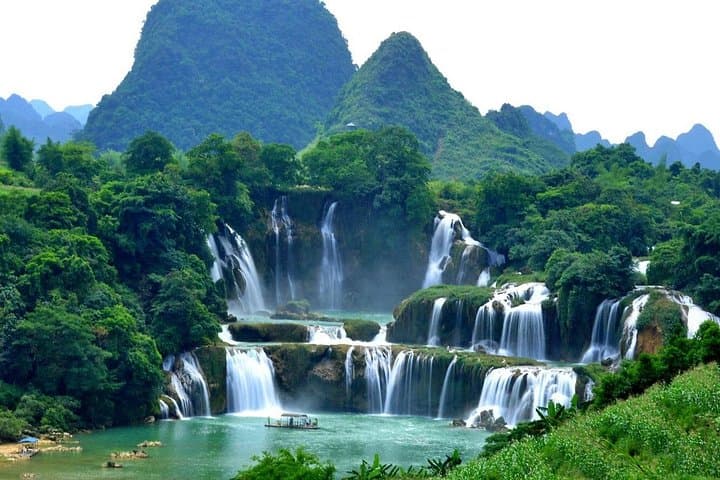
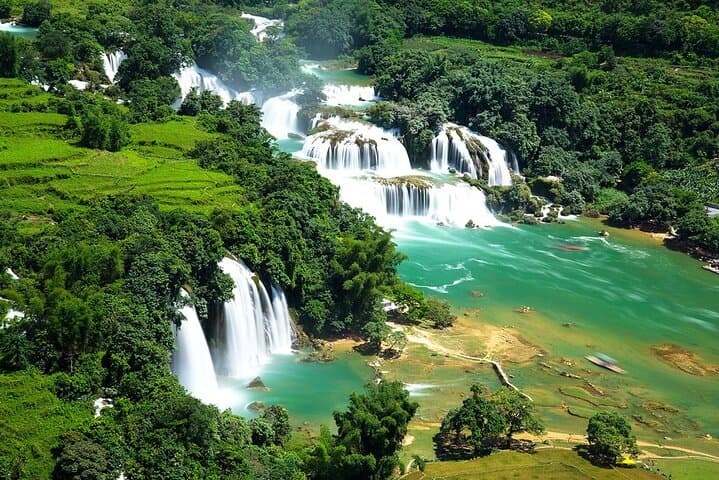
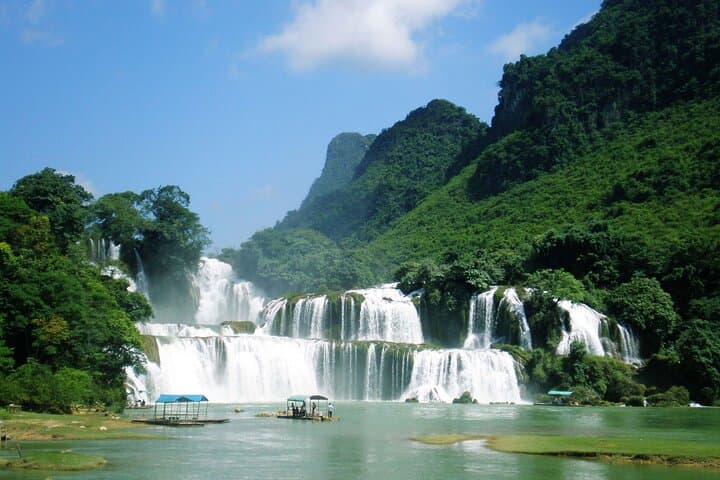
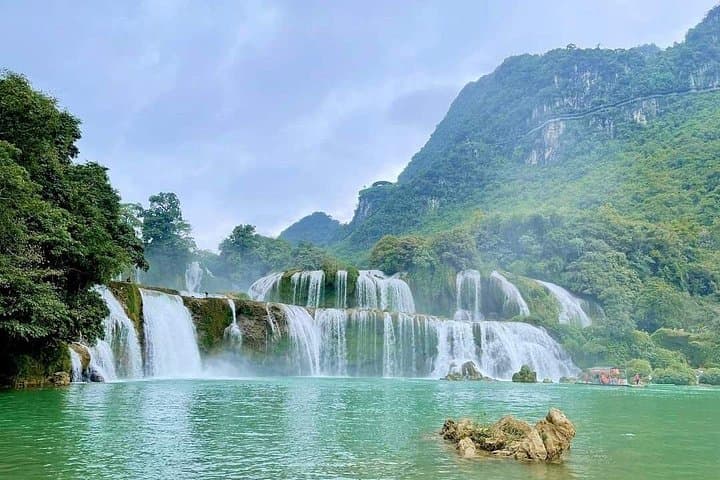
The van slips out of Hanoi before dawn and the city’s gray geometry falls away. As the road climbs into karst country, mist clings to craggy limestone and the river systems that carve this borderland begin to dare you closer. By late afternoon the tiered curtains of Ban Gioc appear: water ripping over shelves of rock, steam and spray crowning bamboo groves.
The van slips out of Hanoi before dawn and the city’s gray geometry falls away. As the road climbs into karst country, mist clings to craggy limestone and the river systems that carve this borderland begin to dare you closer. By late afternoon the tiered curtains of Ban Gioc appear: water ripping over shelves of rock, steam and spray crowning bamboo groves.
This corner of Cao Bằng sits on the China–Vietnam frontier and has been shaped by tectonics and centuries of human settlement. The falls trace faulted limestone and collapse terraces; caves like Nguom Ngao collect calcium deposits into columns and curtains. Local Tay and Nung communities have lived here for generations; Ban Gioc’s pagoda perches above the falls, a simple example of regional wooden architecture and ongoing spiritual life.
Expect a mix of road travel and short walks—flat, often wet paths around viewing platforms and a network of village lanes. Optional boat rides carry you close to the lower cascade when water levels permit; Nguom Ngao Cave rewards a torch-lit exploration of stalactites and chambers.
Practical edge: bring waterproof layers and grippy shoes, and pace the long transfers—Hanoi to Ban Gioc is roughly 320 km with about 6–7 hours driving each way. Hydrate on the move, carry cash for village purchases and boat rides, and respect local customs at the pagoda. This two-day itinerary pairs dramatic scenery with cultural touchpoints—ideal for travelers who tolerate a full day on the road for big, uncluttered nature.