THE ADVENTURE COLLECTIVE® · Independent discovery and booking for outdoor travel

Discover Hanoi’s living beverage culture in a 45–60 minute ceremony that pairs phin-brew coffee and whipped egg coffee with flower and green teas. Hands-on demonstrations reveal brewing technique, history and small local pairings like peanut candy and toasted coconut cake.
Discover Hanoi’s living beverage culture in a 45–60 minute ceremony that pairs phin-brew coffee and whipped egg coffee with flower and green teas. Hands-on demonstrations reveal brewing technique, history and small local pairings like peanut candy and toasted coconut cake.
You step off a narrow Old Quarter street into a low-ceiling room where steam rises like a small, fragrant cloud. The first thing that hits you is the scent — roasted beans, citrus blossoms and the sweet, warm top of egg coffee — and the host’s phin filter sits ready, patient and exacting.
Verified experiences and guided adventures in the surrounding area.
Operated by Indochina Today Travel · Hanoi, Hanoi
You step off a narrow Old Quarter street into a low-ceiling room where steam rises like a small, fragrant cloud. The first thing that hits you is the scent — roasted beans, citrus blossoms and the sweet, warm top of egg coffee — and the host’s phin filter sits ready, patient and exacting.
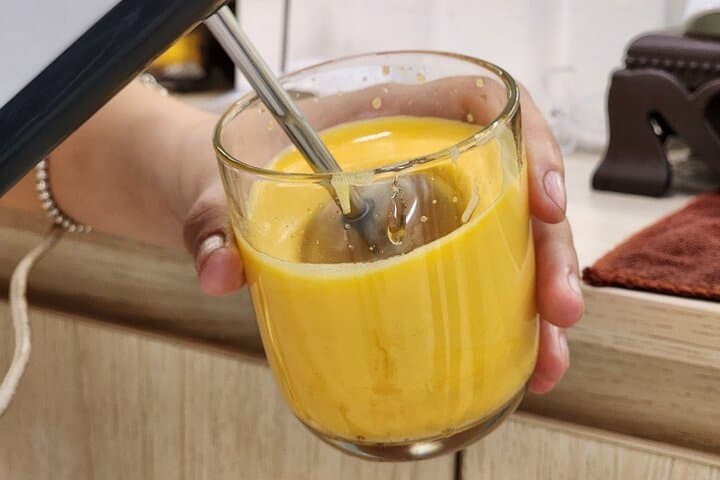
Vietnam’s coffee scene was shaped by French colonial plantations and the gritty, highland soils that favor Robusta; its tea traditions come from northern highlands and neighboring China, where green and flower teas have been refined for centuries. In Hanoi, coffee is as much performance as beverage: the phin drips slowly while egg coffee — whipped yolk and condensed milk — arrived in the 1940s as a clever local solution to scarce milk.
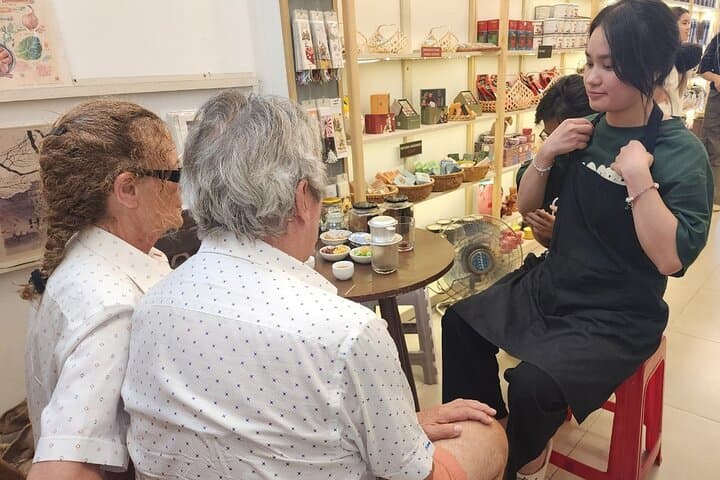
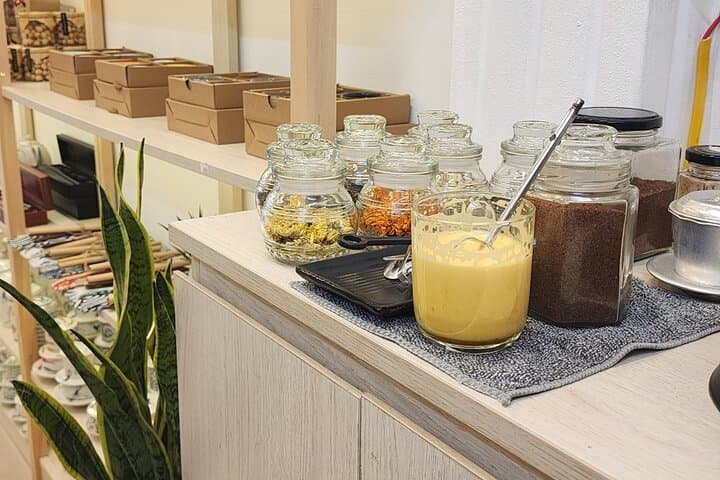
The ceremony walks you through brewing ratios and timing, shows how flowers and tea leaves change with heat, and invites tasting alongside peanut candy, cashews and toasted coconut cake. Hosts explain provenance — Robusta from the Central Highlands, fragrant flower teas from the north — and the cultural etiquette that governs sipping and sharing.
Practical guidance: expect 45–60 minutes, small groups and an English-speaking guide; it's wheelchair-accessible and easy for most fitness levels. Aim for mid-morning to avoid crowds and bring a light layer — Hanoi’s streets can be humid or brisk depending on season. Ask for brewing ratios if you want to recreate phin coffee at home, and keep cash handy for small purchases.
This is an intimate, sensory primer on Hanoi’s beverage culture: short, hands-on and surprisingly technical, with flavors that linger long after the cup is empty.
easy.
45–60 minutes.
Suitable for all fitness levels; mostly seated and accessible to visitors with limited mobility.
The experience runs about 45–60 minutes, including demonstrations and a guided tasting of three teas and two coffee styles.
Yes; the listing indicates wheelchair accessibility, but contact the operator ahead to confirm any site-specific access details.
Yes; hosts are accustomed to dietary requests—ask when booking so they can prepare alternatives to condensed milk or sweet snacks.
Yes; the demonstration covers phin brewing and the technique for making Hanoi-style egg coffee, including ratios and whipping method.
Coffee was introduced to Vietnam during French colonial rule and later expanded in the Central Highlands; egg coffee originated in Hanoi in the 1940s as a local adaptation to milk shortages.
Choose venues that source tea and coffee from certified or small-scale farms; minimizing single-use cups and buying loose-leaf tea supports local producers and reduces waste.
Indochina Today Travel operates guided outdoor trips and adventures with an emphasis on safety, stewardship, and memorable experiences.

You step off a narrow Old Quarter street into a low-ceiling room where steam rises like a small, fragrant cloud. The first thing that hits you is the scent — roasted beans, citrus blossoms and the sweet, warm top of egg coffee — and the host’s phin filter sits ready, patient and exacting.
You step off a narrow Old Quarter street into a low-ceiling room where steam rises like a small, fragrant cloud. The first thing that hits you is the scent — roasted beans, citrus blossoms and the sweet, warm top of egg coffee — and the host’s phin filter sits ready, patient and exacting.
Vietnam’s coffee scene was shaped by French colonial plantations and the gritty, highland soils that favor Robusta; its tea traditions come from northern highlands and neighboring China, where green and flower teas have been refined for centuries. In Hanoi, coffee is as much performance as beverage: the phin drips slowly while egg coffee — whipped yolk and condensed milk — arrived in the 1940s as a clever local solution to scarce milk.
The ceremony walks you through brewing ratios and timing, shows how flowers and tea leaves change with heat, and invites tasting alongside peanut candy, cashews and toasted coconut cake. Hosts explain provenance — Robusta from the Central Highlands, fragrant flower teas from the north — and the cultural etiquette that governs sipping and sharing.
Practical guidance: expect 45–60 minutes, small groups and an English-speaking guide; it's wheelchair-accessible and easy for most fitness levels. Aim for mid-morning to avoid crowds and bring a light layer — Hanoi’s streets can be humid or brisk depending on season. Ask for brewing ratios if you want to recreate phin coffee at home, and keep cash handy for small purchases.
This is an intimate, sensory primer on Hanoi’s beverage culture: short, hands-on and surprisingly technical, with flavors that linger long after the cup is empty.