THE ADVENTURE COLLECTIVE® · Independent discovery and booking for outdoor travel

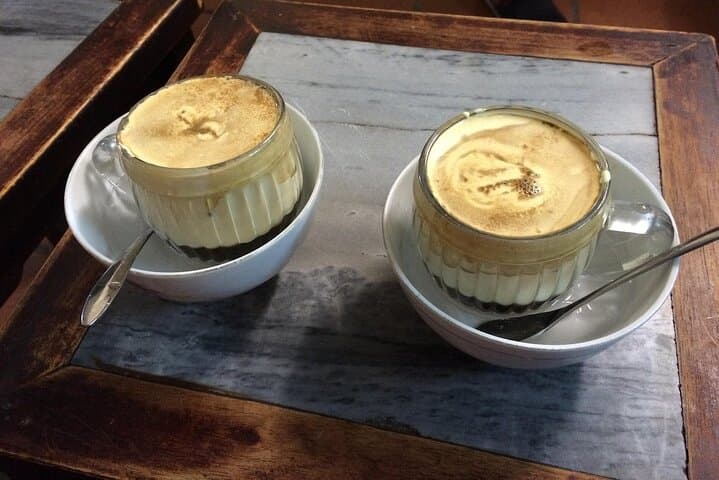
Wander Hanoi’s Old Quarter with a guide, tasting pho, banh cuon, and street snacks before sipping trackside coffee on Train Street—where active rails slice through everyday life. Learn the history and safety of this unique urban ritual on a 3–4 hour small-group tour.
Wander Hanoi’s Old Quarter with a guide, tasting pho, banh cuon, and street snacks before sipping trackside coffee on Train Street—where active rails slice through everyday life. Learn the history and safety of this unique urban ritual on a 3–4 hour small-group tour.
The tour begins in the humid pulse of Hanoi's Old Quarter, where motorbikes thread alleys and vendors call out over steaming woks. You step into a lane of sizzling pans and aromatic broth, and the city’s railway—old iron tracks that have carried trains for more than a century—threads through daily life, daring you to stand close and watch routine become spectacle.
Verified experiences and guided adventures in the surrounding area.
Operated by Vietnam Creative Travel · Hanoi, Hanoi
The tour begins in the humid pulse of Hanoi's Old Quarter, where motorbikes thread alleys and vendors call out over steaming woks. You step into a lane of sizzling pans and aromatic broth, and the city’s railway—old iron tracks that have carried trains for more than a century—threads through daily life, daring you to stand close and watch routine become spectacle.
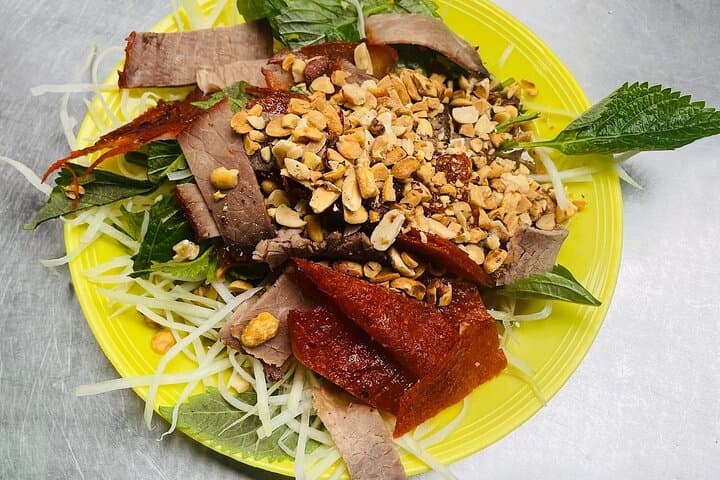
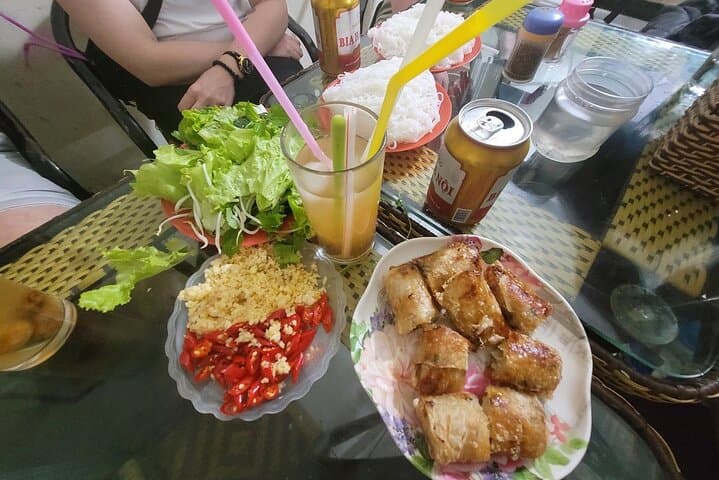
This walk peels back layers of Hanoi: French-colonial rail lines still active for north–south freight, family-run stalls that pass recipes through generations, and a food culture shaped by rivers and rice plains. Expect to sample classics of northern cuisine—pho (beef noodle soup), banh cuon (steamed rice rolls), bun dry noodles, and local snail dishes—while a guide explains ingredients, regional differences, and the social role of street-side drinks.
Historically, Train Street grew where the colonial railway hugged the old urban fabric; cafes and houses rose beside the track and life adapted around the schedule. Today, safety rules and occasional closures change access, but guided visits from trackside cafes offer reliable viewing and context.
Practical notes: this is a 3–4 hour, low-elevation urban walk on uneven sidewalks and narrow alleys. Wear grippy shoes, bring small bills, and listen to your guide during the Train Street visit—trains still pass and timing matters. Go mid-morning or early evening for cooler temperatures and livelier vendor rotations. Hydrate, keep valuables secure, and be ready to move into the rhythm of Hanoi’s streets.
easy.
3–4 hours.
Suitable for most fitness levels; requires standing and moderate walking on uneven sidewalks for several hours.
The tour runs about 3–4 hours and involves moderate walking within the Old Quarter on mainly flat but uneven sidewalks and alleys.
Access varies; local rules and safety concerns occasionally close sections. The tour coordinates with trackside cafes to provide a secure viewing experience when trains are scheduled.
Guides can usually accommodate common requests (vegetarian, mild spice), but inform your operator at booking to confirm substitutions ahead of time.
Tipping isn’t mandatory but is appreciated; a small tip for attentive local guides is customary.
Train Street sits along a colonial-era line built during French rule; the rail corridor has shaped the Old Quarter’s development and daily rhythms for over a century.
High foot traffic and waste from street vendors stress narrow lanes; choose guides who work with local cafes to minimize crowding and support community-run businesses.
Vietnam Creative Travel operates guided outdoor trips and adventures with an emphasis on safety, stewardship, and memorable experiences.
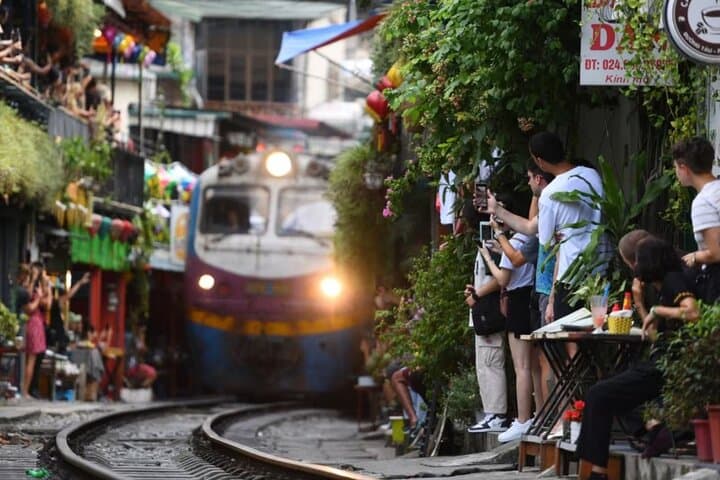
The tour begins in the humid pulse of Hanoi's Old Quarter, where motorbikes thread alleys and vendors call out over steaming woks. You step into a lane of sizzling pans and aromatic broth, and the city’s railway—old iron tracks that have carried trains for more than a century—threads through daily life, daring you to stand close and watch routine become spectacle.
The tour begins in the humid pulse of Hanoi's Old Quarter, where motorbikes thread alleys and vendors call out over steaming woks. You step into a lane of sizzling pans and aromatic broth, and the city’s railway—old iron tracks that have carried trains for more than a century—threads through daily life, daring you to stand close and watch routine become spectacle.
This walk peels back layers of Hanoi: French-colonial rail lines still active for north–south freight, family-run stalls that pass recipes through generations, and a food culture shaped by rivers and rice plains. Expect to sample classics of northern cuisine—pho (beef noodle soup), banh cuon (steamed rice rolls), bun dry noodles, and local snail dishes—while a guide explains ingredients, regional differences, and the social role of street-side drinks.
Historically, Train Street grew where the colonial railway hugged the old urban fabric; cafes and houses rose beside the track and life adapted around the schedule. Today, safety rules and occasional closures change access, but guided visits from trackside cafes offer reliable viewing and context.
Practical notes: this is a 3–4 hour, low-elevation urban walk on uneven sidewalks and narrow alleys. Wear grippy shoes, bring small bills, and listen to your guide during the Train Street visit—trains still pass and timing matters. Go mid-morning or early evening for cooler temperatures and livelier vendor rotations. Hydrate, keep valuables secure, and be ready to move into the rhythm of Hanoi’s streets.