THE ADVENTURE COLLECTIVE® · Independent discovery and booking for outdoor travel

Navigate Hanoi’s Old Quarter with a private guide to sample iconic street dishes and discover vegetarian and gluten-free options. This 3–4 hour walking tour mixes history, culture and practical tips for eating like a local.
Navigate Hanoi’s Old Quarter with a private guide to sample iconic street dishes and discover vegetarian and gluten-free options. This 3–4 hour walking tour mixes history, culture and practical tips for eating like a local.
The evening air in Hanoi's Old Quarter hums with scooters, simmering broths and the bright clatter of street kitchens. On a private food tour the guide threads you through narrow alleys where steam rises from clay pots and vendors call out dishes passed down across generations.
Verified experiences and guided adventures in the surrounding area.
Operated by Nom Nom Travel · Hanoi, Hanoi
The evening air in Hanoi's Old Quarter hums with scooters, simmering broths and the bright clatter of street kitchens. On a private food tour the guide threads you through narrow alleys where steam rises from clay pots and vendors call out dishes passed down across generations.
The Old Quarter grew from guild streets clustered along the Red River plain; its narrow lanes and tube houses reflect centuries of trade, Chinese influence and later French colonial planning. Geologically, you're standing on alluvial soils of the delta—flat, compacted, and long shaped by river traffic rather than elevation. Culturally, meals are communal: you learn why pho is eaten at dawn, why bun cha balances sweet and smoky, and how rice paper wraps anchor regional identity.
Practically, expect 3–4 hours of mostly flat walking (roughly 2–4 km) with frequent stops to sample 6–8 dishes. The tour accommodates vegetarian and gluten-free requests—notify the operator at booking. Evenings are best for cooler temperatures and vibrant market energy; midday is hotter and busier. Bring local currency for incidental purchases, wear closed-toe shoes for roadside steps and curbs, and be prepared for honking traffic when crossing streets.
A private guide will explain ingredients, preparation techniques, and the social history behind each bite while pointing out side streets where long-running vendors quietly serve the neighborhood. The result is both a culinary primer and a field lesson in how Hanoi lives and eats—direct, sensory, and reliably local.
easy.
3–4 hours.
Suitable for most fitness levels; requires standing and walking on flat, uneven surfaces for several hours
Yes — vegetarian and gluten-free menus are available; inform the operator at booking so the guide can select compatible vendors.
Expect roughly 2–4 km of mostly flat walking over 3–4 hours, with frequent seated or standing tasting stops.
A bottled water is provided for each guest; additional beverages from vendors are usually at your own expense.
The tour is suitable for children and can accommodate most allergies when informed ahead of time; note infants must sit on a lap.
Hanoi’s Old Quarter formed from guild-based streets where traders clustered by craft; many shop-fronts still reflect that mercantile layout combined with later French-era architecture.
Support small vendors by minimizing single-use plastics and disposing of wrappers properly; consider tipping and buying responsibly to help local livelihoods.
Nom Nom Travel operates guided outdoor trips and adventures with an emphasis on safety, stewardship, and memorable experiences.
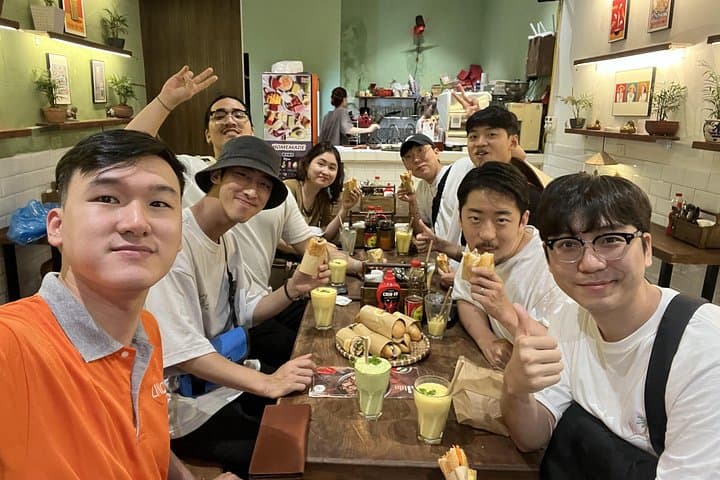
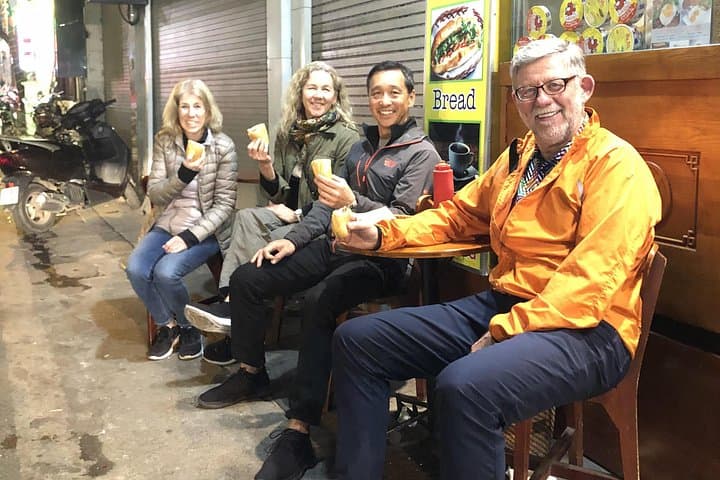
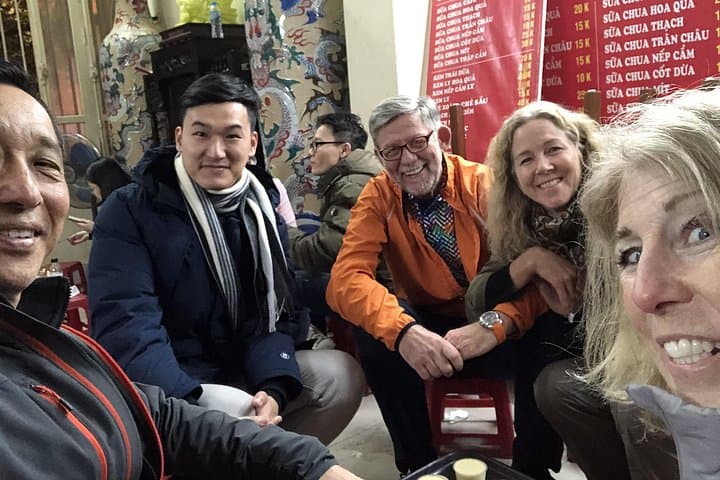
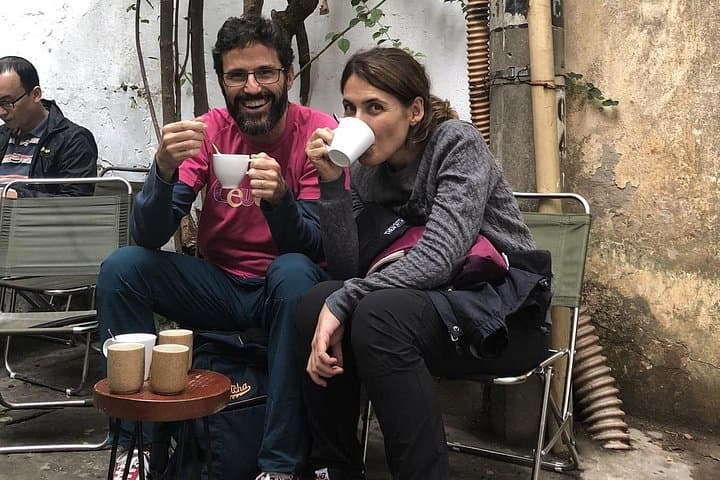
The evening air in Hanoi's Old Quarter hums with scooters, simmering broths and the bright clatter of street kitchens. On a private food tour the guide threads you through narrow alleys where steam rises from clay pots and vendors call out dishes passed down across generations.
The evening air in Hanoi's Old Quarter hums with scooters, simmering broths and the bright clatter of street kitchens. On a private food tour the guide threads you through narrow alleys where steam rises from clay pots and vendors call out dishes passed down across generations.
The Old Quarter grew from guild streets clustered along the Red River plain; its narrow lanes and tube houses reflect centuries of trade, Chinese influence and later French colonial planning. Geologically, you're standing on alluvial soils of the delta—flat, compacted, and long shaped by river traffic rather than elevation. Culturally, meals are communal: you learn why pho is eaten at dawn, why bun cha balances sweet and smoky, and how rice paper wraps anchor regional identity.
Practically, expect 3–4 hours of mostly flat walking (roughly 2–4 km) with frequent stops to sample 6–8 dishes. The tour accommodates vegetarian and gluten-free requests—notify the operator at booking. Evenings are best for cooler temperatures and vibrant market energy; midday is hotter and busier. Bring local currency for incidental purchases, wear closed-toe shoes for roadside steps and curbs, and be prepared for honking traffic when crossing streets.
A private guide will explain ingredients, preparation techniques, and the social history behind each bite while pointing out side streets where long-running vendors quietly serve the neighborhood. The result is both a culinary primer and a field lesson in how Hanoi lives and eats—direct, sensory, and reliably local.