THE ADVENTURE COLLECTIVE® · Independent discovery and booking for outdoor travel

Walk the heart of Hanoi where century-old rails slice through street life. This 3-hour guided tour covers Long Bien Bridge, Dong Xuan Market, Train Street and St. Joseph’s Cathedral with local insights and practical tips.
Walk the heart of Hanoi where century-old rails slice through street life. This 3-hour guided tour covers Long Bien Bridge, Dong Xuan Market, Train Street and St. Joseph’s Cathedral with local insights and practical tips.
The city breathes close here: narrow alleys press between two-story tube houses, vendors thread steaming pho through the crowd, and an iron ribbon of tracks daringly cuts a straight line through the Old Quarter.
Verified experiences and guided adventures in the surrounding area.
Operated by Local Tours Around Viet Nam · Hanoi, Hanoi
The city breathes close here: narrow alleys press between two-story tube houses, vendors thread steaming pho through the crowd, and an iron ribbon of tracks daringly cuts a straight line through the Old Quarter.
Start at dawn and the neighborhood still smells of coffee and sweet soy; your guide leads you past St. Joseph’s Cathedral, where French colonial facades meet motorcycle choreography. At Dong Xuan Market the buzz shifts to commerce—piles of dried goods, quick negotiations, and a sensory rush that tells Hanoi’s working-history in a single block.
The train line itself is over a century old, a colonial-era artery that later became part of daily life for residents. Long Bien Bridge, built during the French period and scarred by wartime raids, arcs across the Red River and offers a raw, industrial panorama of the city and its river traffic.
What feels spontaneous—the cafe chair pulled roadside as a train barrels past—owes to a precarious balance between residents’ routines and surging tourism. Expect tight alleys, steep sensory contrasts, and a city that still insists on its rhythms.
Practicalities: the tour is three hours, mostly flat walking on pavement and cobblestones; bring closed-toe shoes, light rain protection in the wet season, and a small amount of cash for street snacks. Keep a respectful distance from tracks, follow your guide’s instructions at train times, and plan for narrow, sometimes crowded sidewalks. With a bit of awareness you’ll leave with clear views, local stories, and a better sense of Hanoi’s layered urban life.
easy.
3 hours.
Suitable for most fitness levels; requires steady walking on city streets and negotiating crowds.
Yes when you follow local guidance: trains are narrow but run on schedule—stand clear, obey your guide, and avoid lingering on the tracks.
Yes; the itinerary typically includes views from Long Bien Bridge and a walk through Dong Xuan Market and the Old Quarter.
The tour is rated easy and is suitable for most ages, but participants should be comfortable walking for three hours and navigating crowded sidewalks.
Booking ahead is recommended, especially on weekends and holidays when Train Street and the Old Quarter attract many visitors.
The Old Quarter grew under Chinese and French influence; Long Bien Bridge dates to the colonial era and was a strategic target during 20th-century conflicts.
Train Street’s popularity has strained local routines—respect private property, minimize plastic waste, and choose cafes that compensate residents fairly.
Local Tours Around Viet Nam operates guided outdoor trips and adventures with an emphasis on safety, stewardship, and memorable experiences.
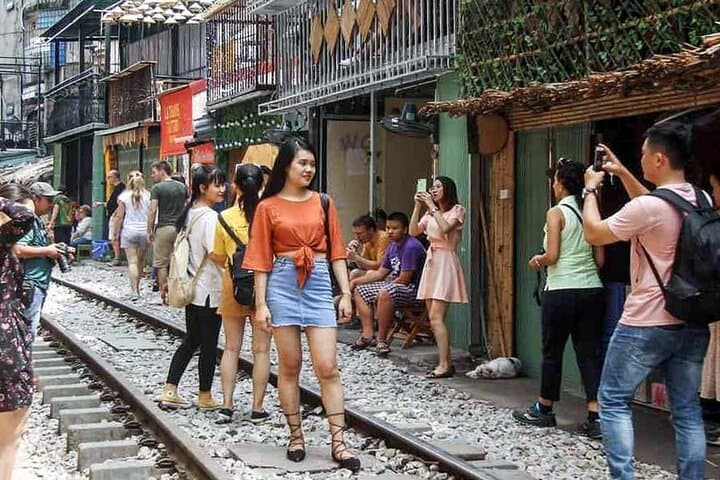
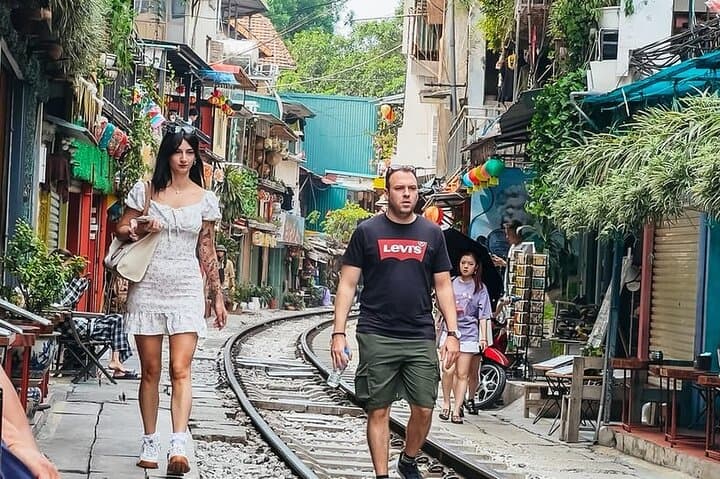
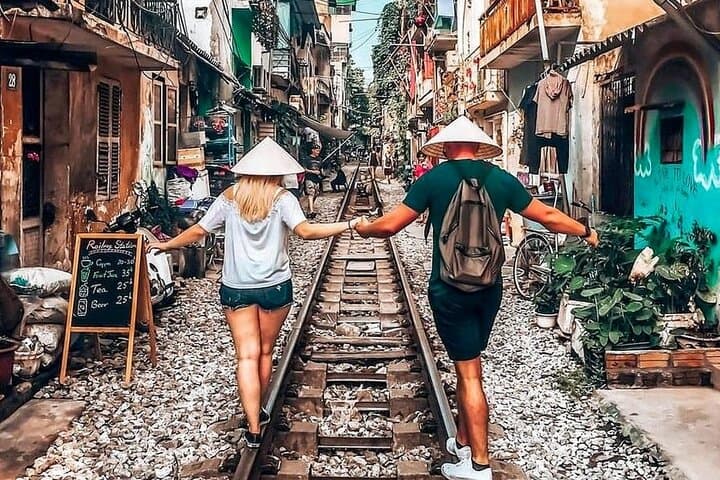
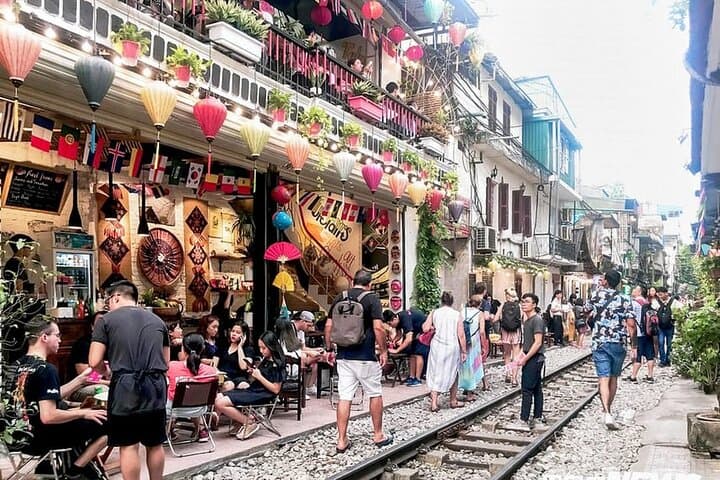
The city breathes close here: narrow alleys press between two-story tube houses, vendors thread steaming pho through the crowd, and an iron ribbon of tracks daringly cuts a straight line through the Old Quarter.
The city breathes close here: narrow alleys press between two-story tube houses, vendors thread steaming pho through the crowd, and an iron ribbon of tracks daringly cuts a straight line through the Old Quarter.
Start at dawn and the neighborhood still smells of coffee and sweet soy; your guide leads you past St. Joseph’s Cathedral, where French colonial facades meet motorcycle choreography. At Dong Xuan Market the buzz shifts to commerce—piles of dried goods, quick negotiations, and a sensory rush that tells Hanoi’s working-history in a single block.
The train line itself is over a century old, a colonial-era artery that later became part of daily life for residents. Long Bien Bridge, built during the French period and scarred by wartime raids, arcs across the Red River and offers a raw, industrial panorama of the city and its river traffic.
What feels spontaneous—the cafe chair pulled roadside as a train barrels past—owes to a precarious balance between residents’ routines and surging tourism. Expect tight alleys, steep sensory contrasts, and a city that still insists on its rhythms.
Practicalities: the tour is three hours, mostly flat walking on pavement and cobblestones; bring closed-toe shoes, light rain protection in the wet season, and a small amount of cash for street snacks. Keep a respectful distance from tracks, follow your guide’s instructions at train times, and plan for narrow, sometimes crowded sidewalks. With a bit of awareness you’ll leave with clear views, local stories, and a better sense of Hanoi’s layered urban life.