THE ADVENTURE COLLECTIVE® · Independent discovery and booking for outdoor travel

Walk the Old Quarter’s alleys, taste street snacks, and feel the thrill as a train threads inches from cafes. This three-hour guided tour combines Hanoi’s layered history with modern street life.
Walk the Old Quarter’s alleys, taste street snacks, and feel the thrill as a train threads inches from cafes. This three-hour guided tour combines Hanoi’s layered history with modern street life.
A clattering whistle threads through narrow alleys as you step into the Old Quarter, where scooters hum and centuries of trade press close to the sidewalk. The tour begins at Ly Thai To monument and moves like a local — through markets, under faded shopfronts, past lacquered temples — until the railway appears impossibly near, the train daring you to hold your breath as it slips through a strip of daily life.
Verified experiences and guided adventures in the surrounding area.
Operated by JA Vietnam · Hanoi, Hanoi
A clattering whistle threads through narrow alleys as you step into the Old Quarter, where scooters hum and centuries of trade press close to the sidewalk. The tour begins at Ly Thai To monument and moves like a local — through markets, under faded shopfronts, past lacquered temples — until the railway appears impossibly near, the train daring you to hold your breath as it slips through a strip of daily life.
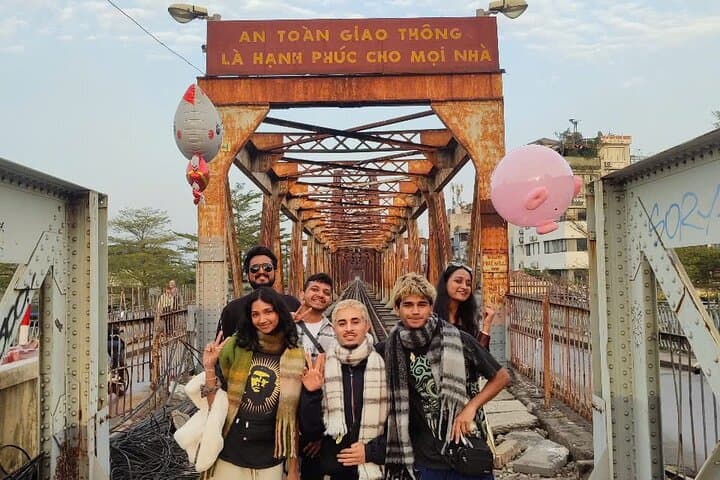
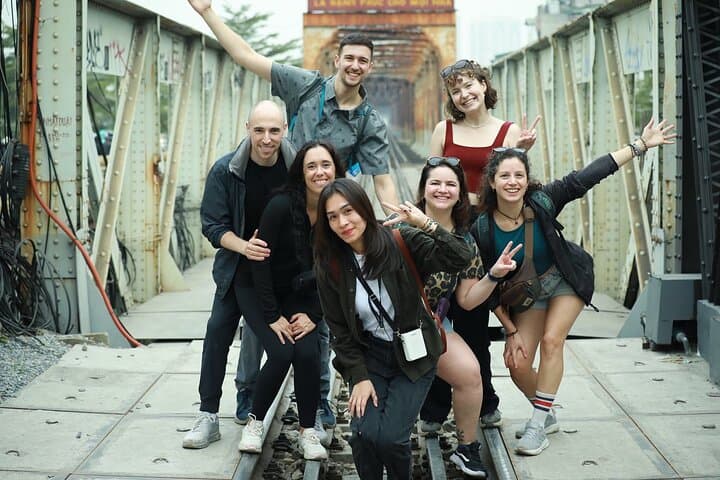
Hanoi’s layers are visible here: traces of Chinese-style tube houses, French colonial facades, and post-war repairs. Long Bien Bridge looms nearby, an iron-bodied witness to colonialism and conflict that frames the Red River and the city’s growth. The train street itself is part urban choreography and part social stage, where cafes retreat and neighbors rearrange life minutes before each scheduled pass.
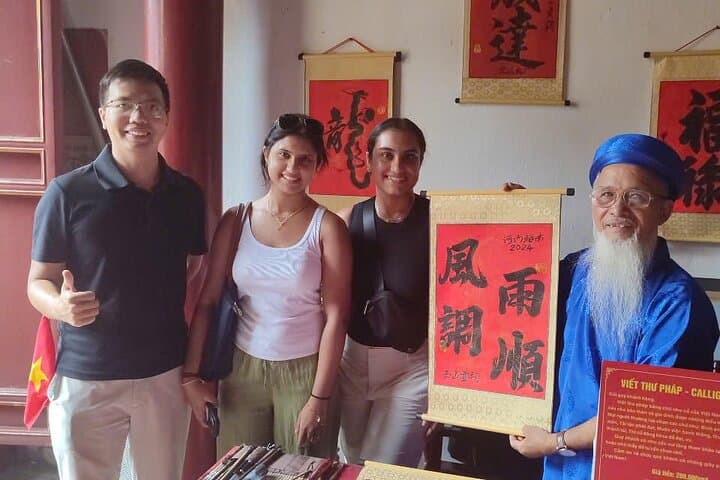
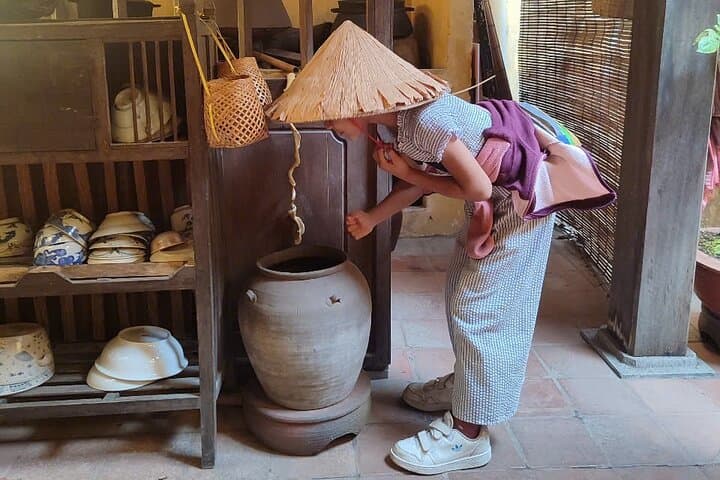
Expect close-up urban history as your guide explains street-name origins, ancestor-worship practices visible in family altars, and why coffee culture grips this city. You’ll taste traditional donuts and sip strong Vietnamese coffee while learning how these alleys function as both commerce lanes and living rooms.
Practical notes: this is a three-hour easy walking tour with multiple short stops—comfortable shoes matter more than endurance. The route is stroller- and wheelchair-accessible on main segments, but tight alleyways can be narrow and crowded.
Timing matters: trains run on a schedule, so your group will pause to watch the passage safely. Bring cash for street vendors and keep a compact bag close; the experience rewards curiosity, situational awareness, and a willingness to move with the flow of the city.
easy.
3 hours.
Light walking ability; comfortable standing and short alley navigation.
Yes—when guided, the experience is managed with clear viewing spots; follow guide instructions and keep a safe distance during train passages.
Main meeting points and many streets in the Old Quarter are wheelchair-accessible, but some narrow alleys and specific vantage spots at Train Street may not be fully accessible.
The tour includes bottled water, coffee or tea, and a traditional donut; additional snacks or meals are at your own expense.
This tour is led by English-speaking local guides; confirm language availability when booking for private groups.
Hanoi’s Old Quarter developed as a network of trade guild streets dating back over a thousand years; Long Bien Bridge, designed by a firm associated with Gustave Eiffel, became a strategic crossing during colonial and wartime periods.
High foot traffic strains narrow alleys and local waste systems—support vendors using minimal packaging and follow your guide’s advice on respectful behavior around residential entrances.
JA Vietnam operates guided outdoor trips and adventures with an emphasis on safety, stewardship, and memorable experiences.
A clattering whistle threads through narrow alleys as you step into the Old Quarter, where scooters hum and centuries of trade press close to the sidewalk. The tour begins at Ly Thai To monument and moves like a local — through markets, under faded shopfronts, past lacquered temples — until the railway appears impossibly near, the train daring you to hold your breath as it slips through a strip of daily life.
A clattering whistle threads through narrow alleys as you step into the Old Quarter, where scooters hum and centuries of trade press close to the sidewalk. The tour begins at Ly Thai To monument and moves like a local — through markets, under faded shopfronts, past lacquered temples — until the railway appears impossibly near, the train daring you to hold your breath as it slips through a strip of daily life.
Hanoi’s layers are visible here: traces of Chinese-style tube houses, French colonial facades, and post-war repairs. Long Bien Bridge looms nearby, an iron-bodied witness to colonialism and conflict that frames the Red River and the city’s growth. The train street itself is part urban choreography and part social stage, where cafes retreat and neighbors rearrange life minutes before each scheduled pass.
Expect close-up urban history as your guide explains street-name origins, ancestor-worship practices visible in family altars, and why coffee culture grips this city. You’ll taste traditional donuts and sip strong Vietnamese coffee while learning how these alleys function as both commerce lanes and living rooms.
Practical notes: this is a three-hour easy walking tour with multiple short stops—comfortable shoes matter more than endurance. The route is stroller- and wheelchair-accessible on main segments, but tight alleyways can be narrow and crowded.
Timing matters: trains run on a schedule, so your group will pause to watch the passage safely. Bring cash for street vendors and keep a compact bag close; the experience rewards curiosity, situational awareness, and a willingness to move with the flow of the city.