THE ADVENTURE COLLECTIVE® · Independent discovery and booking for outdoor travel

Taste your way through Hanoi’s Old Quarter on a guided 3–4 hour walking tour that pairs street-side snacks with neighborhood history. Expect family-run stalls, eight rotating dishes, and a classic egg coffee finish.
Taste your way through Hanoi’s Old Quarter on a guided 3–4 hour walking tour that pairs street-side snacks with neighborhood history. Expect family-run stalls, eight rotating dishes, and a classic egg coffee finish.
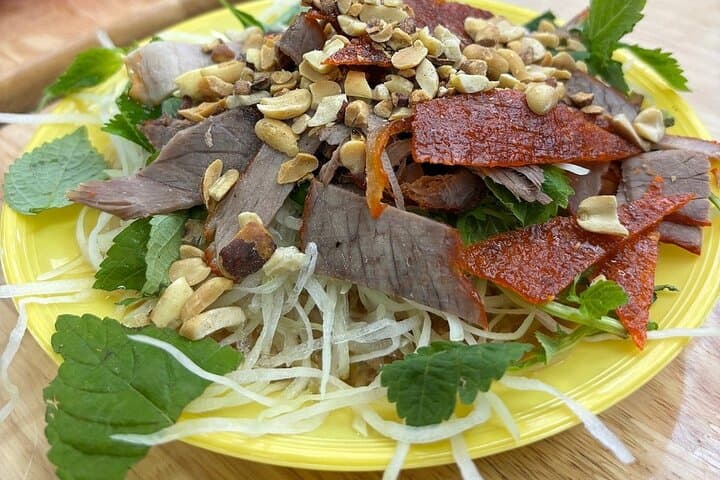
The city presses in close: narrow lanes bracketed by tall, narrow tube houses, the air warmed by woks and charcoal and a chorus of scooter horns. On a 3–4 hour walking food tour through Hanoi’s Old Quarter you move with purpose—sampling steamed pancakes, slurping pho, negotiating a bite of grilled pork noodles, and finishing with thick, sweet ca phe trung (egg coffee) from a storied cafe.
Verified experiences and guided adventures in the surrounding area.
Operated by Hanoi Travel Bug · Hanoi, Hanoi
The city presses in close: narrow lanes bracketed by tall, narrow tube houses, the air warmed by woks and charcoal and a chorus of scooter horns. On a 3–4 hour walking food tour through Hanoi’s Old Quarter you move with purpose—sampling steamed pancakes, slurping pho, negotiating a bite of grilled pork noodles, and finishing with thick, sweet ca phe trung (egg coffee) from a storied cafe.
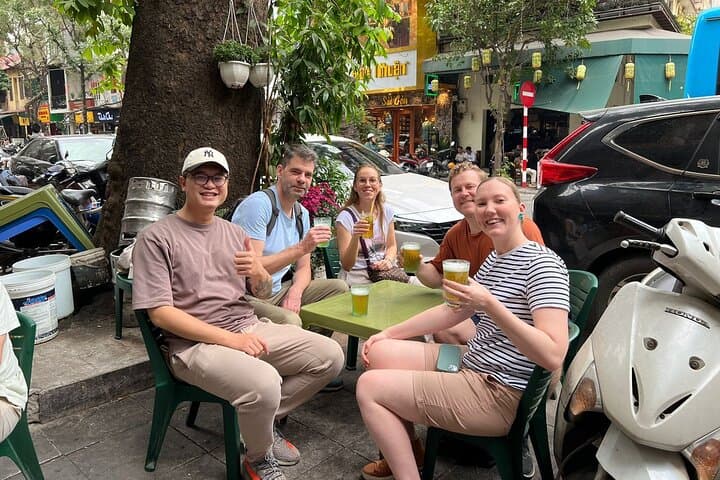
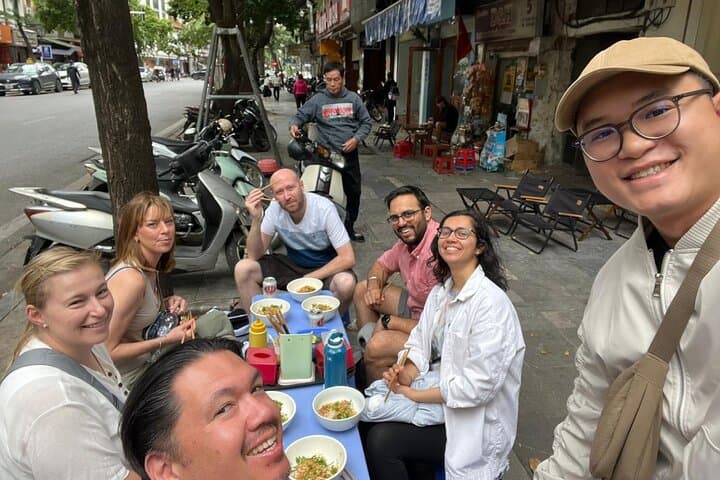
The Old Quarter grew from medieval trade guild streets—each lane originally devoted to a particular craft—and today those same routes thread between colonial facades and temple gates. Geologically the Red River plain is flat and fertile, which shaped Hanoi’s markets and rice-centric cuisine. Culture here is public: meals are eaten at fold-out tables on the curb, recipes passed down through family-run stalls, and bargaining is as much social as commercial.
Expect a guided, small-group pace that balances tasting and context. The operator visits well-regarded vendors on streets like Ta Hien, Hang Ma, Luong Ngoc Quyen and Ma May, serving roughly eight rotating dishes plus water, coffee and often a beer. Terrain is flat but tiled sidewalks and street-level seating can be uneven; the tour is accessible but still involves standing and short stair access in some venues.
Practical notes: carry small change for any extras, flag dietary restrictions when booking, and schedule the tour in the cooler morning or early evening to avoid midday heat. Wear comfortable shoes, bring a reusable bottle, and be ready to move with traffic flows—Hanoi’s pace is part of the experience.
easy.
3–4 hours.
Suitable for casual walkers who can stand and move for several hours; no special fitness required.
Yes—around eight different dishes are sampled during the tour and the operator typically provides a bottle of water, coffee and a beer as noted in the inclusion list.
Yes—guides can tailor stops for vegetarians or other dietary restrictions if you indicate them at booking or before the tour starts.
Pickup is available within the Old Quarter; otherwise most tours meet at a central downtown point close to the starting streets listed in the itinerary.
The tour is advertised as wheelchair and stroller accessible, though some vendors have limited space and there may be short steps or uneven surfaces at certain stops.
The Old Quarter evolved from a network of guild streets where each lane specialized in trade—many modern food stalls occupy buildings whose shopfronts trace their commercial lineage back centuries.
Pick up wrappers and refuse after tasting street food; vendors use single-use plastics frequently, so bringing a reusable bottle and declining extra plastic reduces waste.
Hanoi Travel Bug operates guided outdoor trips and adventures with an emphasis on safety, stewardship, and memorable experiences.

The city presses in close: narrow lanes bracketed by tall, narrow tube houses, the air warmed by woks and charcoal and a chorus of scooter horns. On a 3–4 hour walking food tour through Hanoi’s Old Quarter you move with purpose—sampling steamed pancakes, slurping pho, negotiating a bite of grilled pork noodles, and finishing with thick, sweet ca phe trung (egg coffee) from a storied cafe.
The city presses in close: narrow lanes bracketed by tall, narrow tube houses, the air warmed by woks and charcoal and a chorus of scooter horns. On a 3–4 hour walking food tour through Hanoi’s Old Quarter you move with purpose—sampling steamed pancakes, slurping pho, negotiating a bite of grilled pork noodles, and finishing with thick, sweet ca phe trung (egg coffee) from a storied cafe.
The Old Quarter grew from medieval trade guild streets—each lane originally devoted to a particular craft—and today those same routes thread between colonial facades and temple gates. Geologically the Red River plain is flat and fertile, which shaped Hanoi’s markets and rice-centric cuisine. Culture here is public: meals are eaten at fold-out tables on the curb, recipes passed down through family-run stalls, and bargaining is as much social as commercial.
Expect a guided, small-group pace that balances tasting and context. The operator visits well-regarded vendors on streets like Ta Hien, Hang Ma, Luong Ngoc Quyen and Ma May, serving roughly eight rotating dishes plus water, coffee and often a beer. Terrain is flat but tiled sidewalks and street-level seating can be uneven; the tour is accessible but still involves standing and short stair access in some venues.
Practical notes: carry small change for any extras, flag dietary restrictions when booking, and schedule the tour in the cooler morning or early evening to avoid midday heat. Wear comfortable shoes, bring a reusable bottle, and be ready to move with traffic flows—Hanoi’s pace is part of the experience.