THE ADVENTURE COLLECTIVE® · Independent discovery and booking for outdoor travel

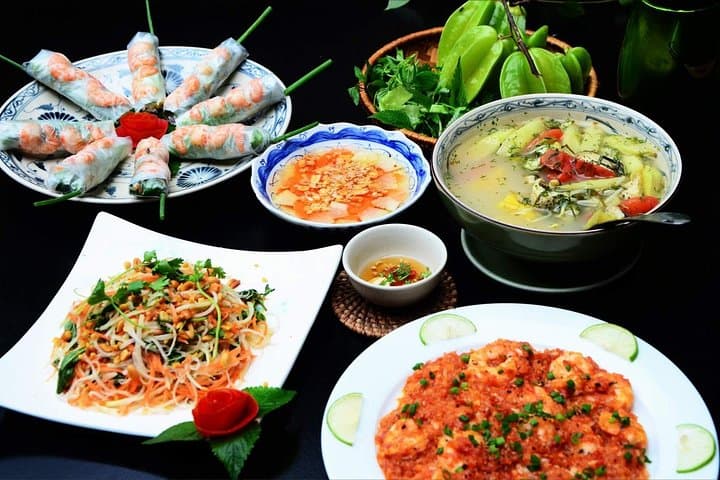
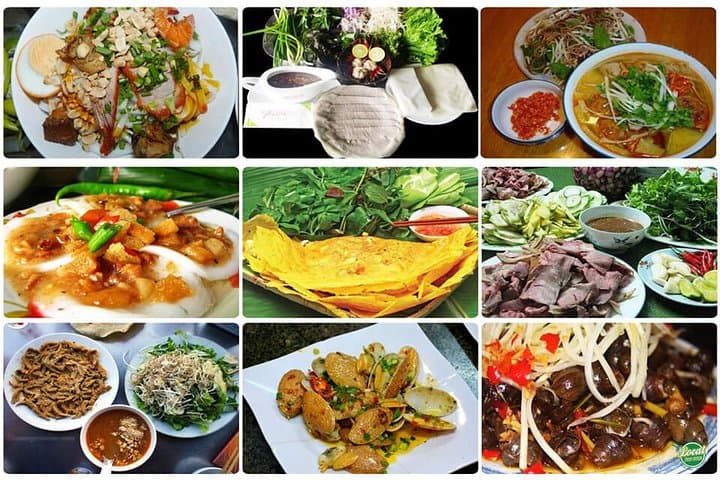
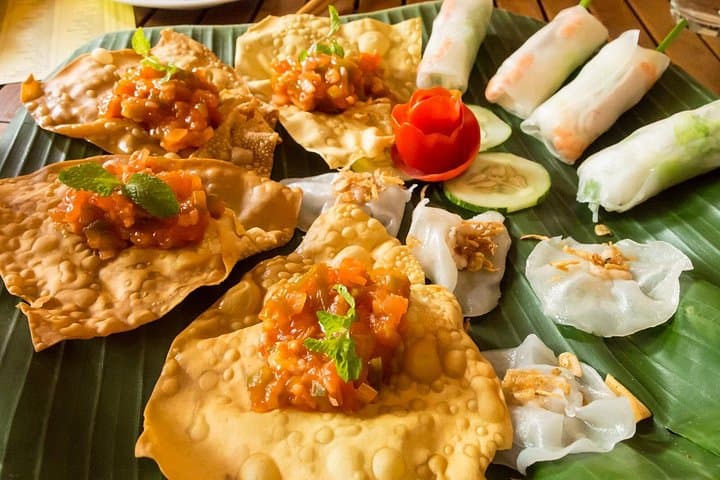
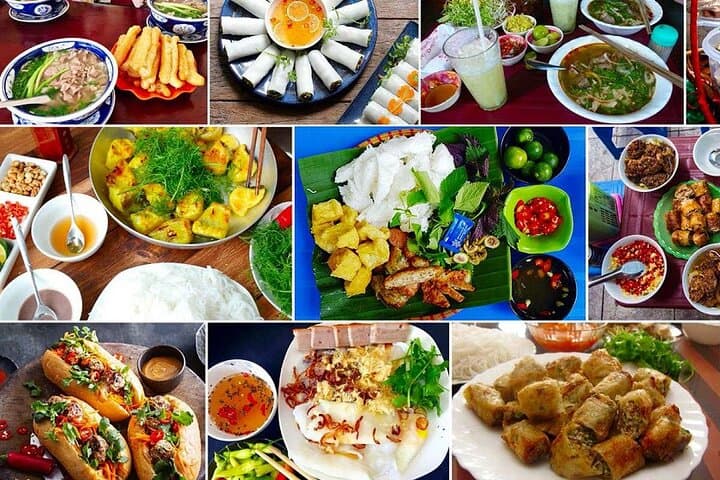
Walk the Old Quarter with a foodie guide and taste up to 10 classic Vietnamese dishes across 3–4 hours. This guided evening tour pairs historical context with practical tips for choosing safe, authentic street food.
Walk the Old Quarter with a foodie guide and taste up to 10 classic Vietnamese dishes across 3–4 hours. This guided evening tour pairs historical context with practical tips for choosing safe, authentic street food.
You step out onto a narrow lane where motorbikes thread through steam and the scent of grilled pork pulls you forward. Lanterns and fluorescent signs fight over the light as a vendor flips banh mi on a blistering griddle; the city’s pulse is audible in the clink of bowls and the low rumble of conversation.
Verified experiences and guided adventures in the surrounding area.
Operated by Asia Travel Legend · Hanoi, Hanoi
You step out onto a narrow lane where motorbikes thread through steam and the scent of grilled pork pulls you forward. Lanterns and fluorescent signs fight over the light as a vendor flips banh mi on a blistering griddle; the city’s pulse is audible in the clink of bowls and the low rumble of conversation.
This walking tour threads through the Old Quarter’s compact grid — an area shaped by centuries of trade. The 36 streets grew from guild lines, each once known for one craft or commodity, which explains why food here is as much history as it is sustenance. The geology beneath your feet is flat clayplain; elevation gain is negligible, but the streets can be uneven and slick after rain.
Culturally, Hanoi’s street food is a communal practice: shared stools, quick conversations and recipes refined by family stalls. Expect to sample up to 10 dishes across 2–3 miles of walking over a 3–4 hour evening route, guided by a local who explains ingredients, etiquette and where flavors come from.
Practically, go hungry but cautious: choose busy stalls, eat freshly cooked items, and avoid raw salads if you have a sensitive stomach. Bring small-denomination cash, a reusable water bottle, and comfortable shoes for compact, often standing service. Evening is prime for both heat and atmosphere, while weekday nights are slightly quieter.
This tour offers a practical, flavorful entry to Hanoi: a culinary orientation that pairs context with taste, leaving you with both new favorite dishes and the know-how to keep exploring on your own.
easy.
3–4 hours.
Able to stand and walk 2–4 miles on flat urban pavement; suitable for most fitness levels
Yes — the operator lists the tour as wheelchair accessible, but street surfaces can be uneven so check locally for specific assistance needs.
Typically up to 10 small tastings across family-run stalls and street carts; menus vary by day.
Most guides can adjust the route for common restrictions (vegetarian, shellfish) if notified in advance.
Tipping is appreciated; a small gratuity (5–10% or equivalent) is customary for good service.
The Old Quarter developed over centuries as a guild-based commercial district, with streets historically named for the products and crafts traded there.
Support local vendors by minimizing plastic waste and using reusable bottles; choose stalls with high turnover to reduce food spoilage and waste.
Asia Travel Legend operates guided outdoor trips and adventures with an emphasis on safety, stewardship, and memorable experiences.
You step out onto a narrow lane where motorbikes thread through steam and the scent of grilled pork pulls you forward. Lanterns and fluorescent signs fight over the light as a vendor flips banh mi on a blistering griddle; the city’s pulse is audible in the clink of bowls and the low rumble of conversation.
You step out onto a narrow lane where motorbikes thread through steam and the scent of grilled pork pulls you forward. Lanterns and fluorescent signs fight over the light as a vendor flips banh mi on a blistering griddle; the city’s pulse is audible in the clink of bowls and the low rumble of conversation.
This walking tour threads through the Old Quarter’s compact grid — an area shaped by centuries of trade. The 36 streets grew from guild lines, each once known for one craft or commodity, which explains why food here is as much history as it is sustenance. The geology beneath your feet is flat clayplain; elevation gain is negligible, but the streets can be uneven and slick after rain.
Culturally, Hanoi’s street food is a communal practice: shared stools, quick conversations and recipes refined by family stalls. Expect to sample up to 10 dishes across 2–3 miles of walking over a 3–4 hour evening route, guided by a local who explains ingredients, etiquette and where flavors come from.
Practically, go hungry but cautious: choose busy stalls, eat freshly cooked items, and avoid raw salads if you have a sensitive stomach. Bring small-denomination cash, a reusable water bottle, and comfortable shoes for compact, often standing service. Evening is prime for both heat and atmosphere, while weekday nights are slightly quieter.
This tour offers a practical, flavorful entry to Hanoi: a culinary orientation that pairs context with taste, leaving you with both new favorite dishes and the know-how to keep exploring on your own.