THE ADVENTURE COLLECTIVE® · Independent discovery and booking for outdoor travel

Wander Hanoi’s Old Quarter with a local guide on a private 2–3 hour food walk. Taste egg coffee, pork crepes and market snacks while learning the culinary history behind each bite.
Wander Hanoi’s Old Quarter with a local guide on a private 2–3 hour food walk. Taste egg coffee, pork crepes and market snacks while learning the culinary history behind each bite.
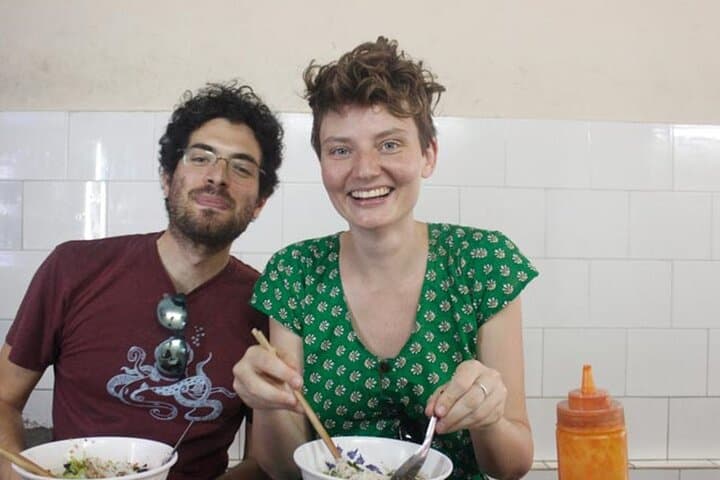
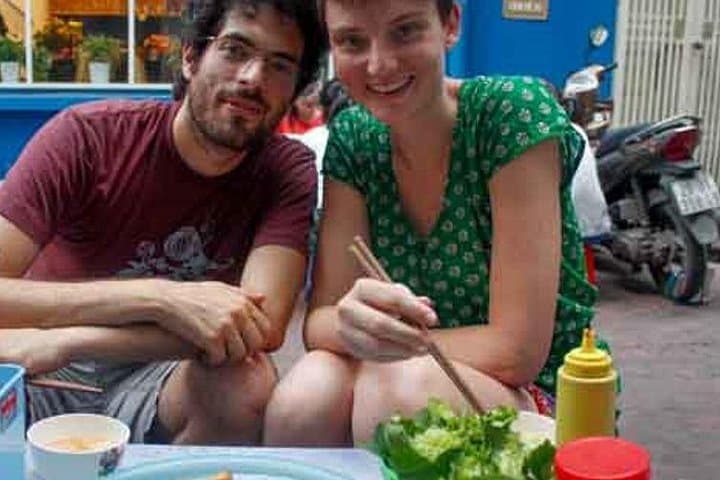
You step out of an Old Quarter hotel into a street squeezed between motorbikes, steaming woks and the sharp-sweet scent of fish sauce. The guide threads you through alleys where carts set up shop beside family-run stalls, and the city’s pulse is measured by the rhythm of chopsticks and the hiss of grilling meat.
Verified experiences and guided adventures in the surrounding area.
Operated by S.E.A Wander Travel · Hanoi, Hanoi
You step out of an Old Quarter hotel into a street squeezed between motorbikes, steaming woks and the sharp-sweet scent of fish sauce. The guide threads you through alleys where carts set up shop beside family-run stalls, and the city’s pulse is measured by the rhythm of chopsticks and the hiss of grilling meat.
Historically, Hanoi’s Old Quarter grew from trade lanes that clustered around craft guilds and river access to the Red River; French colonial architecture and narrow shophouses still line many blocks. Geologically, the region sits on alluvial plains—flat streets and compacted clay soil make for easy walking, while the nearby Red River has shaped trade and cuisine for centuries. Culturally, food is social currency: vendors hand down recipes across generations and markets double as community hubs.
Expect a private 2–3 hour walking route that focuses on Train Street and nearby markets, sampling fruit with crushed ice, banh cuon (pork crepes), flame-grilled meats and the notorious Vietnamese egg coffee. Guides explain ingredients, cooking methods and etiquette while steering you toward authentic, often family-run kitchens. All food in the itinerary is included and the tour is suitable for most fitness levels, but it’s not recommended for pregnant travelers or those with serious back or heart conditions.
Practical guidance: arrive hungry, wear comfortable shoes and bring small local currency for extras. Go early evening for cooler temperatures and livelier street stalls, and ask your guide about market routes to continue exploring independently after the tour.
easy.
2–3 hours.
Suitable for most fitness levels; requires 1–2 miles of walking on flat, crowded streets
The private tour lasts about 2–3 hours and includes all food tastings, an English-speaking guide, and local insights; drinks may be included depending on the menu.
Guides typically meet guests at their Old Quarter hotel or a nearby agreed-upon point; confirmation will include the exact pickup location.
The tour is family-friendly, but notify the operator of allergies or dietary restrictions at booking so the guide can tailor tastings where possible.
The walk is on flat city streets but crowded; it’s not recommended for travelers with serious back, heart, or pregnancy-related restrictions (as noted by the operator).
The Old Quarter developed from guild-based streets and river trade; many shops retain names and crafts tied to those original trades.
Waste from single-use plastics and food packaging is a local issue—bring a reusable bag and avoid bottled water when safe refill stations are available.
S.E.A Wander Travel operates guided outdoor trips and adventures with an emphasis on safety, stewardship, and memorable experiences.
You step out of an Old Quarter hotel into a street squeezed between motorbikes, steaming woks and the sharp-sweet scent of fish sauce. The guide threads you through alleys where carts set up shop beside family-run stalls, and the city’s pulse is measured by the rhythm of chopsticks and the hiss of grilling meat.
You step out of an Old Quarter hotel into a street squeezed between motorbikes, steaming woks and the sharp-sweet scent of fish sauce. The guide threads you through alleys where carts set up shop beside family-run stalls, and the city’s pulse is measured by the rhythm of chopsticks and the hiss of grilling meat.
Historically, Hanoi’s Old Quarter grew from trade lanes that clustered around craft guilds and river access to the Red River; French colonial architecture and narrow shophouses still line many blocks. Geologically, the region sits on alluvial plains—flat streets and compacted clay soil make for easy walking, while the nearby Red River has shaped trade and cuisine for centuries. Culturally, food is social currency: vendors hand down recipes across generations and markets double as community hubs.
Expect a private 2–3 hour walking route that focuses on Train Street and nearby markets, sampling fruit with crushed ice, banh cuon (pork crepes), flame-grilled meats and the notorious Vietnamese egg coffee. Guides explain ingredients, cooking methods and etiquette while steering you toward authentic, often family-run kitchens. All food in the itinerary is included and the tour is suitable for most fitness levels, but it’s not recommended for pregnant travelers or those with serious back or heart conditions.
Practical guidance: arrive hungry, wear comfortable shoes and bring small local currency for extras. Go early evening for cooler temperatures and livelier street stalls, and ask your guide about market routes to continue exploring independently after the tour.