THE ADVENTURE COLLECTIVE® · Independent discovery and booking for outdoor travel

Explore Hanoi’s Old Quarter on a focused half-day private walk that includes Train Street, Long Biên Bridge, Dong Xuan Market, and St. Joseph’s Cathedral. Expect intimate local scenes, colonial architecture, and practical guidance for navigating narrow, active streets.
Explore Hanoi’s Old Quarter on a focused half-day private walk that includes Train Street, Long Biên Bridge, Dong Xuan Market, and St. Joseph’s Cathedral. Expect intimate local scenes, colonial architecture, and practical guidance for navigating narrow, active streets.
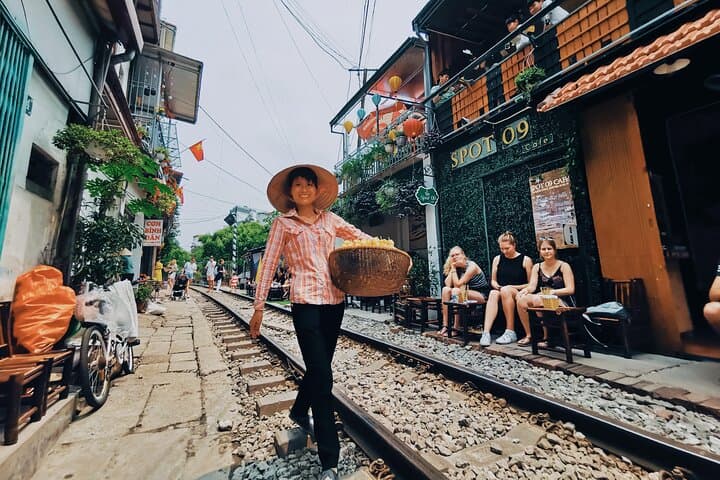
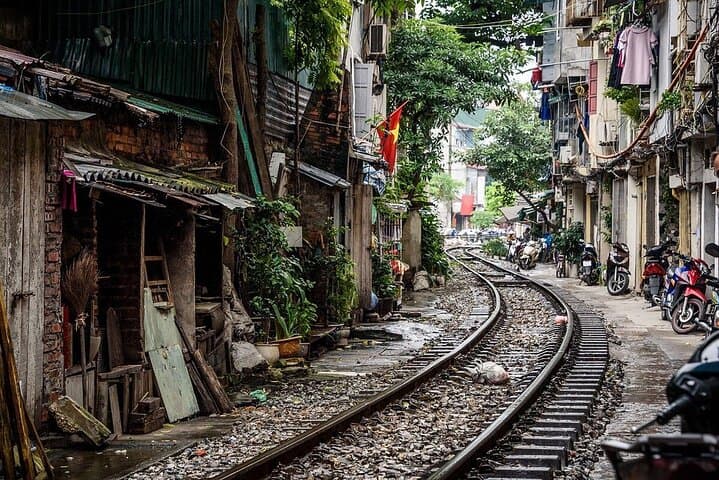
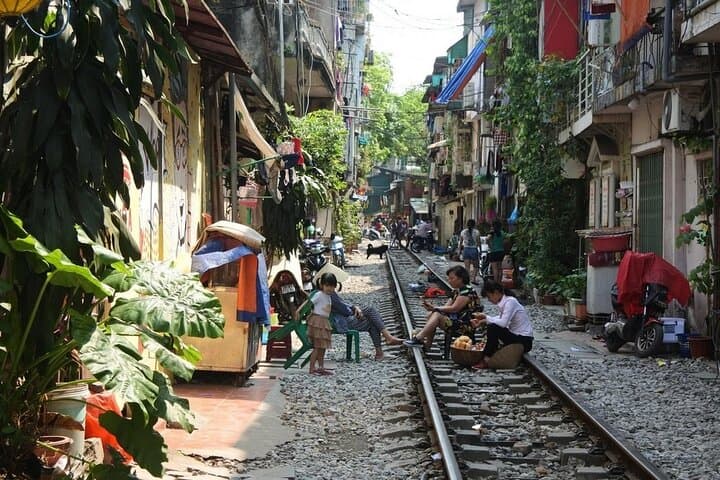
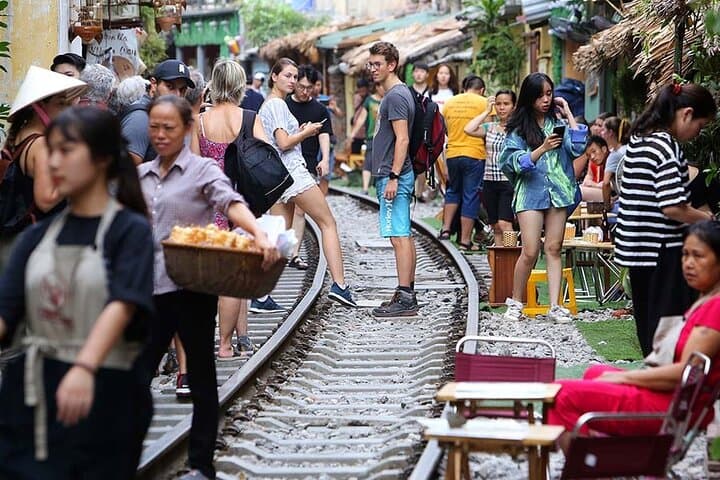
A narrow street hums beneath open windows and the aroma of simmering broth — that’s Hanoi’s Old Quarter at mid-morning. Walking here feels like threading through living history: scooters peel past, stall vendors call prices, and the rails of Train Street cut a deliberate line through daily life. The guide leads a small group, pausing to point out architectural details and local routines that the casual passerby would miss.
Verified experiences and guided adventures in the surrounding area.
Operated by Authentic Travel HOI AN · Hanoi, Hanoi
A narrow street hums beneath open windows and the aroma of simmering broth — that’s Hanoi’s Old Quarter at mid-morning. Walking here feels like threading through living history: scooters peel past, stall vendors call prices, and the rails of Train Street cut a deliberate line through daily life. The guide leads a small group, pausing to point out architectural details and local routines that the casual passerby would miss.
The Old Quarter grew from Thăng Long’s medieval market streets; each lane once specialized by trade, a pattern still visible in shop names and crafts. Geologically the area sits on the Red River’s alluvial plain, which explains the flat, maze-like streets and the city’s centuries-long relationship with water — visible where Long Biên Bridge anchors the skyline. St. Joseph’s Cathedral and the French-era façades speak to colonial-era layers while Dong Xuan Market keeps the city’s mercantile pulse.
Culturally, the tour is an immersion in street-level life: coffee rituals on tiny plastic chairs, vendors arranging herbs, and the peculiar calm that falls seconds before a train threads through. Guides usually include tea or coffee on Train Street and cover entrance fees where required.
Practical guidance: plan for about three hours of easy walking on paved, often crowded surfaces; mornings or late afternoons are best for cooler temperatures and fewer crowds. Wear closed, comfortable shoes, carry a small daypack, and be prepared to step aside quickly when trains arrive. Respect residents’ private doorways, ask permission before photographing people closely, and bring a reusable bottle — local vendors are nearby but single-use waste is common.
easy.
3 hours.
Suitable for most fitness levels—expect low-intensity walking with short standing periods
Yes—infants must sit on an adult’s lap; the pace is slow and stops are frequent, but parents should be aware of crowded, active streets.
Yes—trains still pass through; guides time visits to coincide with scheduled passes but exact times can vary, so expect short windows to view safely.
Pickup is provided for hotels and Airbnbs located inside the Old Quarter only; confirm your pickup point when booking.
The tour includes entrance fees as listed and a coffee or tea at Train Street; bottled water is also provided per person.
The Old Quarter’s street plan dates to the Nguyen and earlier Ly–Tran periods; Long Biên Bridge, an early 20th-century cantilever structure, became symbolic after wartime damage.
Crowding and waste are ongoing issues—travelers can help by minimizing single-use plastics, supporting local vendors, and avoiding disruption of residents’ doorways.
Authentic Travel HOI AN operates guided outdoor trips and adventures with an emphasis on safety, stewardship, and memorable experiences.
A narrow street hums beneath open windows and the aroma of simmering broth — that’s Hanoi’s Old Quarter at mid-morning. Walking here feels like threading through living history: scooters peel past, stall vendors call prices, and the rails of Train Street cut a deliberate line through daily life. The guide leads a small group, pausing to point out architectural details and local routines that the casual passerby would miss.
A narrow street hums beneath open windows and the aroma of simmering broth — that’s Hanoi’s Old Quarter at mid-morning. Walking here feels like threading through living history: scooters peel past, stall vendors call prices, and the rails of Train Street cut a deliberate line through daily life. The guide leads a small group, pausing to point out architectural details and local routines that the casual passerby would miss.
The Old Quarter grew from Thăng Long’s medieval market streets; each lane once specialized by trade, a pattern still visible in shop names and crafts. Geologically the area sits on the Red River’s alluvial plain, which explains the flat, maze-like streets and the city’s centuries-long relationship with water — visible where Long Biên Bridge anchors the skyline. St. Joseph’s Cathedral and the French-era façades speak to colonial-era layers while Dong Xuan Market keeps the city’s mercantile pulse.
Culturally, the tour is an immersion in street-level life: coffee rituals on tiny plastic chairs, vendors arranging herbs, and the peculiar calm that falls seconds before a train threads through. Guides usually include tea or coffee on Train Street and cover entrance fees where required.
Practical guidance: plan for about three hours of easy walking on paved, often crowded surfaces; mornings or late afternoons are best for cooler temperatures and fewer crowds. Wear closed, comfortable shoes, carry a small daypack, and be prepared to step aside quickly when trains arrive. Respect residents’ private doorways, ask permission before photographing people closely, and bring a reusable bottle — local vendors are nearby but single-use waste is common.