THE ADVENTURE COLLECTIVE® · Independent discovery and booking for outdoor travel

Ride Hanoi from the back of a motorbike on a 3–5 hour tour that threads colonial landmarks, markets, riverside bridges, and the famed Train Street. Perfect for travelers who want a fast, local view of the city’s history and everyday life.
Ride Hanoi from the back of a motorbike on a 3–5 hour tour that threads colonial landmarks, markets, riverside bridges, and the famed Train Street. Perfect for travelers who want a fast, local view of the city’s history and everyday life.
The city exhales around you — a chorus of scooters, hawkers' calls, and the distant whistle of a freight train threading a narrow lane. Straddled on the back of a motorbike, the streets of Hanoi unfold fast: colonial facades blur into temple gates, the Red River glints beyond ironwork bridges, and alleys funnel you into markets that seem to hum with their own gravity.
Verified experiences and guided adventures in the surrounding area.
Operated by Hanoi City Tours · Hanoi, Hanoi
The city exhales around you — a chorus of scooters, hawkers' calls, and the distant whistle of a freight train threading a narrow lane. Straddled on the back of a motorbike, the streets of Hanoi unfold fast: colonial facades blur into temple gates, the Red River glints beyond ironwork bridges, and alleys funnel you into markets that seem to hum with their own gravity.
This 3–5 hour ride stitches together Hanoi's layered past. French-built St. Joseph’s Cathedral and the Opera House echo colonial ambition; Tran Quoc Pagoda and Hoan Kiem Lake anchor older, spiritual rhythms. Long Bien Bridge, designed during the early 20th century, frames industrial-age engineering against river flats shaped by alluvial deposits from the Red River Delta.
Culturally, the tour is as much about motion as place: riders, vendors, and tea-drinking bird-keepers claim public space in ways that reveal daily life. The Train Street stop is an adrenaline-spiked cultural vignette — coffee cups set inches from passing rails — and a reminder of how urban life adapts to infrastructure.
Practical guidance: wear closed-toe shoes, a light windbreaker, and comfortable pants; helmets and rain gear are provided, but bring a small waterproof pouch for valuables. Midday traffic is busiest — opt for early morning or late afternoon slots for cooler temperatures and softer light. Keep water handy and travel light: narrow alleys and market stops mean frequent on/off the bike. For photographers, expect tight frames and moving subjects; secure straps and quick-access pockets make the difference between a good shot and a missed moment.
easy.
3–5 hours.
Minimal fitness required; must be able to mount and sit on a motorbike for extended periods and walk short market stretches.
No — you're a passenger with a professional local driver; just be prepared to hold on and follow driver instructions.
Yes, helmets and rain gear are provided for passengers; consider bringing your own for a custom fit.
Large luggage is impractical on the motorbike; use a small daypack or leave bags at your hotel.
The tour is suitable for many ages, but check mobility and comfort with traffic and quick transitions; operators may set age or weight limits.
Hanoi layers centuries of Vietnamese, Chinese, and French influence — from ancient pagodas to French colonial boulevards and wartime sites like the B-52 Lake wreckage referenced on the route.
The city faces air and river pollution challenges; travelers can reduce impact by minimizing single-use plastics and supporting local businesses that practice sustainable sourcing.
Hanoi City Tours operates guided outdoor trips and adventures with an emphasis on safety, stewardship, and memorable experiences.
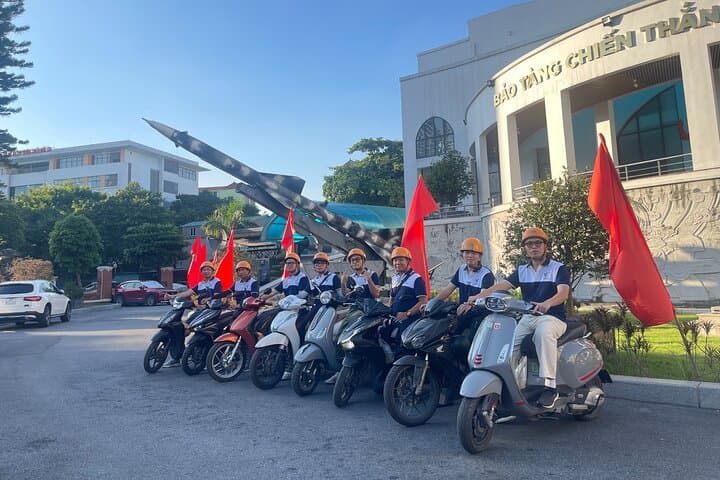
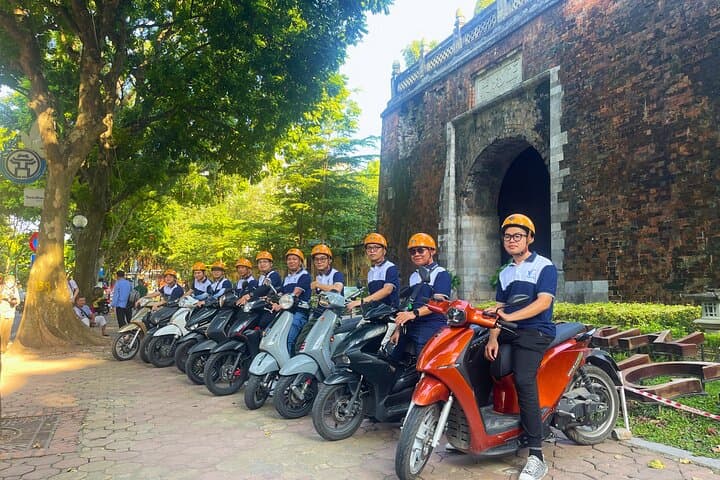
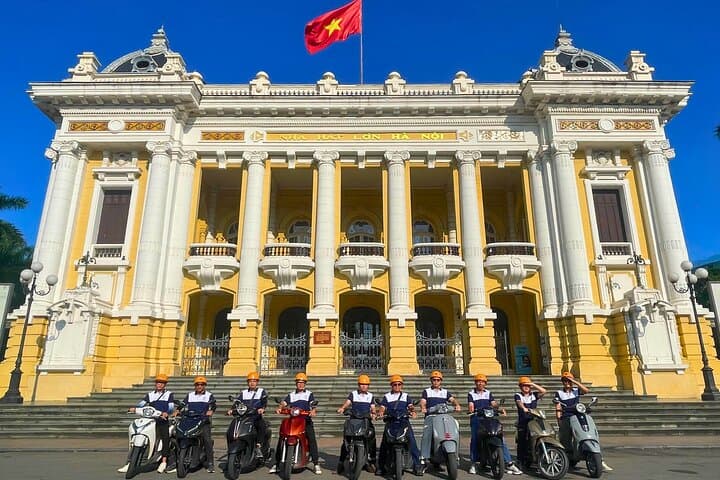
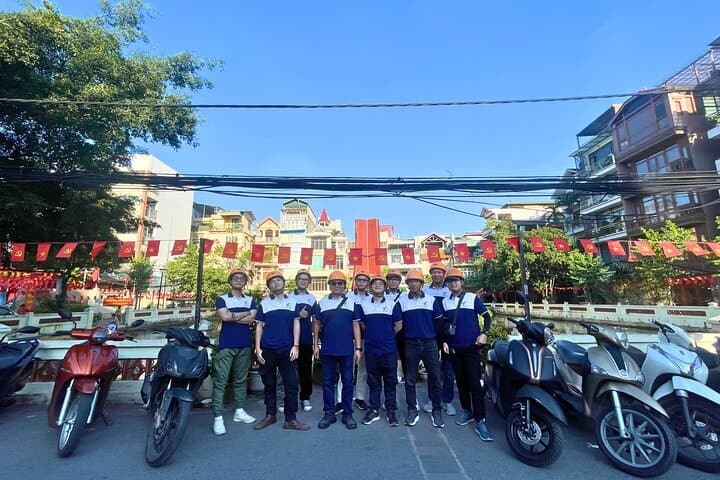
The city exhales around you — a chorus of scooters, hawkers' calls, and the distant whistle of a freight train threading a narrow lane. Straddled on the back of a motorbike, the streets of Hanoi unfold fast: colonial facades blur into temple gates, the Red River glints beyond ironwork bridges, and alleys funnel you into markets that seem to hum with their own gravity.
The city exhales around you — a chorus of scooters, hawkers' calls, and the distant whistle of a freight train threading a narrow lane. Straddled on the back of a motorbike, the streets of Hanoi unfold fast: colonial facades blur into temple gates, the Red River glints beyond ironwork bridges, and alleys funnel you into markets that seem to hum with their own gravity.
This 3–5 hour ride stitches together Hanoi's layered past. French-built St. Joseph’s Cathedral and the Opera House echo colonial ambition; Tran Quoc Pagoda and Hoan Kiem Lake anchor older, spiritual rhythms. Long Bien Bridge, designed during the early 20th century, frames industrial-age engineering against river flats shaped by alluvial deposits from the Red River Delta.
Culturally, the tour is as much about motion as place: riders, vendors, and tea-drinking bird-keepers claim public space in ways that reveal daily life. The Train Street stop is an adrenaline-spiked cultural vignette — coffee cups set inches from passing rails — and a reminder of how urban life adapts to infrastructure.
Practical guidance: wear closed-toe shoes, a light windbreaker, and comfortable pants; helmets and rain gear are provided, but bring a small waterproof pouch for valuables. Midday traffic is busiest — opt for early morning or late afternoon slots for cooler temperatures and softer light. Keep water handy and travel light: narrow alleys and market stops mean frequent on/off the bike. For photographers, expect tight frames and moving subjects; secure straps and quick-access pockets make the difference between a good shot and a missed moment.