THE ADVENTURE COLLECTIVE® · Independent discovery and booking for outdoor travel

Ride a vintage jeep through Hanoi’s avenues, village fringes and narrow train-side lanes, then stretch your legs in quiet pagodas and lakeside hamlets. This half-day tour pairs rapid city context with local stops—ideal for travelers who want history and neighborhood life in one outing.
Ride a vintage jeep through Hanoi’s avenues, village fringes and narrow train-side lanes, then stretch your legs in quiet pagodas and lakeside hamlets. This half-day tour pairs rapid city context with local stops—ideal for travelers who want history and neighborhood life in one outing.
You swing into a weathered jeep at your hotel and the city reshapes itself: wide boulevards, a sudden squeeze into a flower-lined lane, then the hush of a village road along West Lake. The vehicle rattles past the French‑era Opera House and Ho Chi Minh Mausoleum, then pushes farther—across Thanh Nien to Banana Island—where rice paddies and small farms sidle up to the metropolis.
Verified experiences and guided adventures in the surrounding area.
Operated by Authentic SAPA · Hanoi, Hanoi
You swing into a weathered jeep at your hotel and the city reshapes itself: wide boulevards, a sudden squeeze into a flower-lined lane, then the hush of a village road along West Lake. The vehicle rattles past the French‑era Opera House and Ho Chi Minh Mausoleum, then pushes farther—across Thanh Nien to Banana Island—where rice paddies and small farms sidle up to the metropolis.
Hanoi is layered history: centuries of Vietnamese dynasties overlain by French colonial boulevards and 20th‑century revolutionary landmarks. Geologically, the lakes you visit—Truc Bach and West Lake—are oxbow remnants of the Red River’s shifting course, which shaped settlement and local livelihoods. Culturally, the route threads Old Quarter alleys where commerce still happens at street level and neighborhood pagodas mark community rhythms.
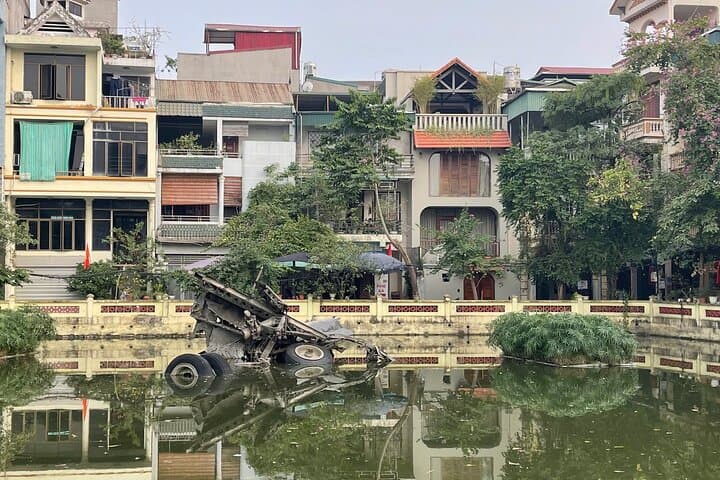
On foot you’ll enter narrow lanes, pass the B52 memorial and Hanoi Train Street, and stand before Van Nien Pagoda—each stop a different face of the city. The guide offers context: architecture, food notes, and where locals buy fruit and tea.
Practicalities: the tour runs about 4–5 hours, includes lunch, water and entrance fees, and picks up from downtown hotels. Expect short walks on uneven sidewalks and tight alleys—comfortable shoes and awareness of traffic are essential. Dress respectfully for religious sites; check mausoleum opening times and closures. Best started in the morning to avoid peak traffic and afternoon storms in summer. This half‑day balances city sightseeing with glimpses of everyday Hanoi life—fast, varied, and grounded in local neighborhoods.
easy.
4–5 hours.
Light activity: able to embark/exit vehicles and walk short distances (15–30 minutes at a time).
Yes — the tour includes pickup from central Hanoi hotels; your booking should specify the pickup point at confirmation.
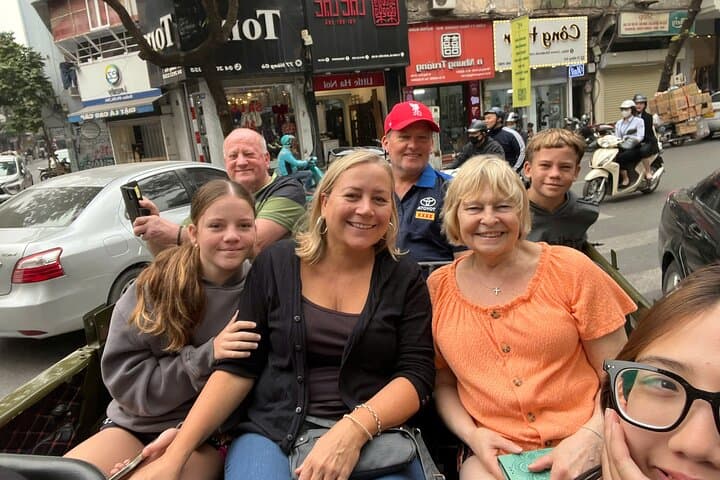
Despite the title, the itinerary shows it operates as a shared tour with up to 15 travelers; confirm privacy requirements when booking.
Yes — the tour lists lunch, bottled water, and included entrance fees in the itinerary details.
The tour passes the Mausoleum and typically includes admission, but access can be restricted for ceremonies or maintenance and requires modest dress; check opening days in advance.
Hanoi’s French-built Opera House and broad boulevards date to early 20th‑century colonial planning; many lakes are former Red River channels that shaped settlement patterns.
Urban tourism concentrates foot traffic in fragile alleys and temple zones—use local guides, avoid littering, and support neighborhood businesses to spread benefits.
Authentic SAPA operates guided outdoor trips and adventures with an emphasis on safety, stewardship, and memorable experiences.

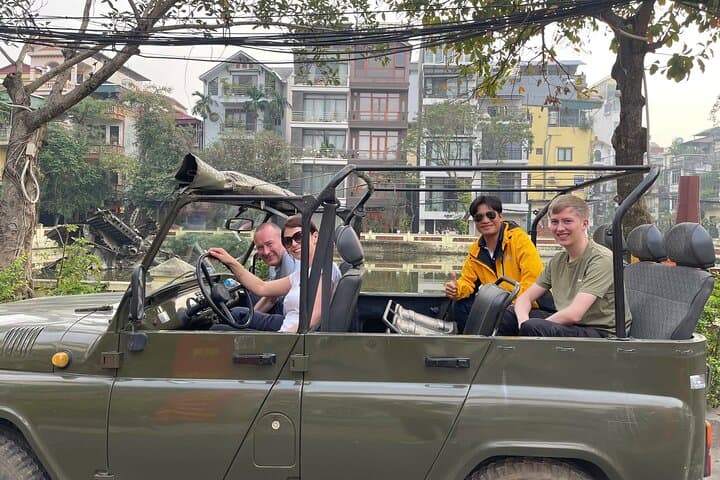
You swing into a weathered jeep at your hotel and the city reshapes itself: wide boulevards, a sudden squeeze into a flower-lined lane, then the hush of a village road along West Lake. The vehicle rattles past the French‑era Opera House and Ho Chi Minh Mausoleum, then pushes farther—across Thanh Nien to Banana Island—where rice paddies and small farms sidle up to the metropolis.
You swing into a weathered jeep at your hotel and the city reshapes itself: wide boulevards, a sudden squeeze into a flower-lined lane, then the hush of a village road along West Lake. The vehicle rattles past the French‑era Opera House and Ho Chi Minh Mausoleum, then pushes farther—across Thanh Nien to Banana Island—where rice paddies and small farms sidle up to the metropolis.
Hanoi is layered history: centuries of Vietnamese dynasties overlain by French colonial boulevards and 20th‑century revolutionary landmarks. Geologically, the lakes you visit—Truc Bach and West Lake—are oxbow remnants of the Red River’s shifting course, which shaped settlement and local livelihoods. Culturally, the route threads Old Quarter alleys where commerce still happens at street level and neighborhood pagodas mark community rhythms.
On foot you’ll enter narrow lanes, pass the B52 memorial and Hanoi Train Street, and stand before Van Nien Pagoda—each stop a different face of the city. The guide offers context: architecture, food notes, and where locals buy fruit and tea.
Practicalities: the tour runs about 4–5 hours, includes lunch, water and entrance fees, and picks up from downtown hotels. Expect short walks on uneven sidewalks and tight alleys—comfortable shoes and awareness of traffic are essential. Dress respectfully for religious sites; check mausoleum opening times and closures. Best started in the morning to avoid peak traffic and afternoon storms in summer. This half‑day balances city sightseeing with glimpses of everyday Hanoi life—fast, varied, and grounded in local neighborhoods.