THE ADVENTURE COLLECTIVE® · Independent discovery and booking for outdoor travel

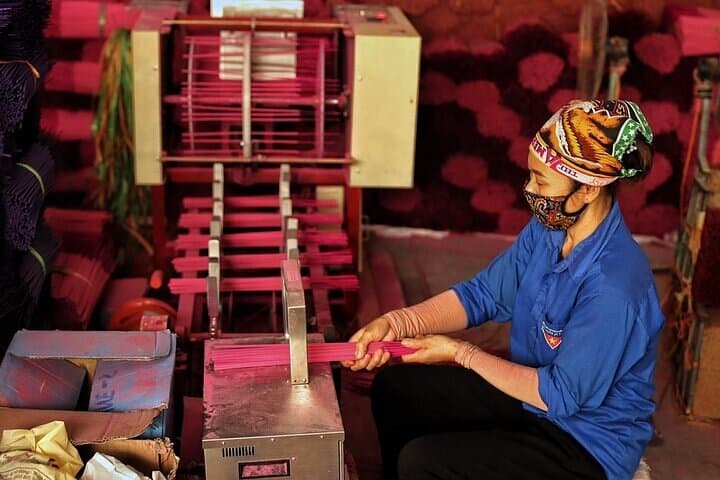
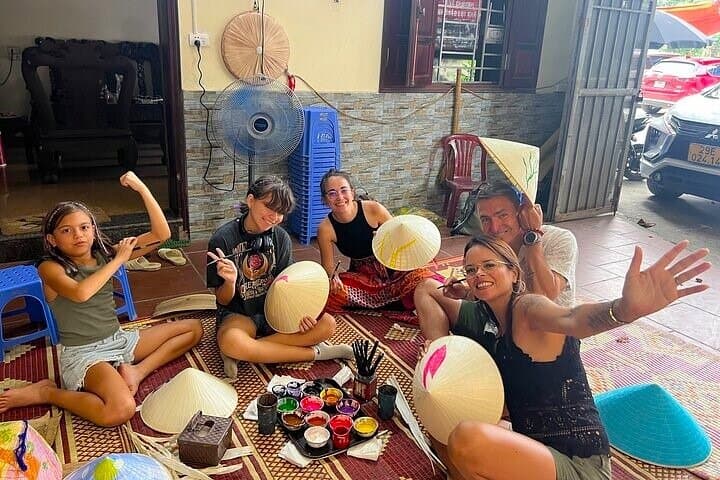
Leave Hanoi’s bustle for the quieter pulse of craft villages: watch artisans shape the iconic conical hat in Chuong and stroll among dye‑bright racks of incense in Quang Phu Cau. This half-day tour combines hands-on making, artisan stories and direct purchases from village households.
Leave Hanoi’s bustle for the quieter pulse of craft villages: watch artisans shape the iconic conical hat in Chuong and stroll among dye‑bright racks of incense in Quang Phu Cau. This half-day tour combines hands-on making, artisan stories and direct purchases from village households.
You step out of the Old Quarter traffic into a different Vietnam — narrow lanes give way to rice-plain air, and the first scent is raw reed and drying sap, punctuated by dye vats and bundles of incense drying in the sun.
Verified experiences and guided adventures in the surrounding area.
Operated by Authentic Hanoi Homestay & Travel · Hanoi, Hanoi
You step out of the Old Quarter traffic into a different Vietnam — narrow lanes give way to rice-plain air, and the first scent is raw reed and drying sap, punctuated by dye vats and bundles of incense drying in the sun.
The tour moves between two living crafts: Chuong Village, where families still make the non la (conical hat) using palm leaves, silk ribbons and fine bamboo ribs; and Quang Phu Cau, a multi-generation incense center where sticks are hand-rolled, dyed and strewn on racks. The Red River Delta’s flat, alluvial plains shape the work here — long stems, abundant bamboo and rice husks supply both hat frames and incense fuel.
Culturally, these crafts speak to household-scale production: skills passed down visually rather than in manuals, seasonal rhythms that follow harvest and festival cycles, and small factories where you can follow raw cassia and sandalwood from pile to packaged bundle.
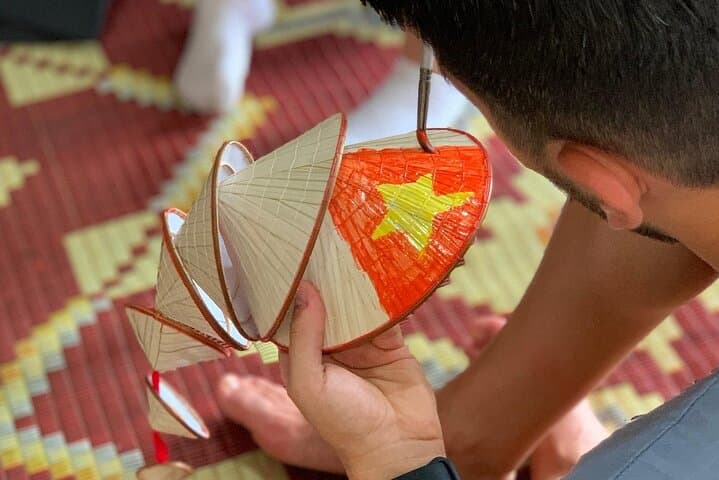
Expect close-up demonstrations, a hands-on hat-painting session, and framed photo opportunities of rows of brightly colored incense. Guides explain techniques, and there’s time to buy directly from makers — a meaningful way to channel tourism dollars to families.
Practical guidance: the half-day runs about five hours with hotel pickup from the Old Quarter; wear comfortable shoes for uneven village paths, carry cash for purchases, and bring a light rain layer in wet months. The tour is low-impact physically but rich in sensory detail — arrive with a camera, curiosity, and respect for active workshop spaces.
easy.
5 hours.
Light walking on flat but uneven village lanes; suitable for most fitness levels
Yes — the tour includes pick up and drop off within Hanoi’s Old Quarter; confirm your exact pickup point when booking.
Yes — the activities are family-friendly, but children should be supervised around drying racks and dye vats.
No — the itinerary does not include food, so eat beforehand or bring a snack; bottled water is provided.
Generally yes — most artisans allow photos, but always ask permission first, especially if you plan to photograph people closely.
Chuong’s conical hat craft goes back centuries as a practical rural item; Quang Phu Cau developed into an incense center over many generations, growing around family-run dye and rolling techniques.
Support small producers by buying directly from artisans and avoiding excess plastic packaging; be mindful of waste when visiting dyeing areas and stick to designated paths.
Authentic Hanoi Homestay & Travel operates guided outdoor trips and adventures with an emphasis on safety, stewardship, and memorable experiences.

You step out of the Old Quarter traffic into a different Vietnam — narrow lanes give way to rice-plain air, and the first scent is raw reed and drying sap, punctuated by dye vats and bundles of incense drying in the sun.
You step out of the Old Quarter traffic into a different Vietnam — narrow lanes give way to rice-plain air, and the first scent is raw reed and drying sap, punctuated by dye vats and bundles of incense drying in the sun.
The tour moves between two living crafts: Chuong Village, where families still make the non la (conical hat) using palm leaves, silk ribbons and fine bamboo ribs; and Quang Phu Cau, a multi-generation incense center where sticks are hand-rolled, dyed and strewn on racks. The Red River Delta’s flat, alluvial plains shape the work here — long stems, abundant bamboo and rice husks supply both hat frames and incense fuel.
Culturally, these crafts speak to household-scale production: skills passed down visually rather than in manuals, seasonal rhythms that follow harvest and festival cycles, and small factories where you can follow raw cassia and sandalwood from pile to packaged bundle.
Expect close-up demonstrations, a hands-on hat-painting session, and framed photo opportunities of rows of brightly colored incense. Guides explain techniques, and there’s time to buy directly from makers — a meaningful way to channel tourism dollars to families.
Practical guidance: the half-day runs about five hours with hotel pickup from the Old Quarter; wear comfortable shoes for uneven village paths, carry cash for purchases, and bring a light rain layer in wet months. The tour is low-impact physically but rich in sensory detail — arrive with a camera, curiosity, and respect for active workshop spaces.