THE ADVENTURE COLLECTIVE® · Independent discovery and booking for outdoor travel

Step out of Hanoi’s Old Quarter for a half-day among artisans: watch 300-year-old conical hat techniques in Chuong and the colorful incense craft in Quang Phu Cau. Expect close-up demos, a hands-on hat session, and a practical look at village life.
Step out of Hanoi’s Old Quarter for a half-day among artisans: watch 300-year-old conical hat techniques in Chuong and the colorful incense craft in Quang Phu Cau. Expect close-up demos, a hands-on hat session, and a practical look at village life.
A narrow lane opens from the Old Quarter into a different rhythm: bicycles with bundles of bamboo, women threading slender sticks, and the sweet, spicy aroma of incense drifting on a warm wind. This half-day tour moves out of Hanoi’s traffic into two living craft workshops—Chuong Village, where conical hats are formed by hand, and Quang Phu Cau, where color-streaked incense dries in the sun.
Verified experiences and guided adventures in the surrounding area.
Operated by Local Tours ASIA · Hanoi, Hanoi
A narrow lane opens from the Old Quarter into a different rhythm: bicycles with bundles of bamboo, women threading slender sticks, and the sweet, spicy aroma of incense drifting on a warm wind. This half-day tour moves out of Hanoi’s traffic into two living craft workshops—Chuong Village, where conical hats are formed by hand, and Quang Phu Cau, where color-streaked incense dries in the sun.
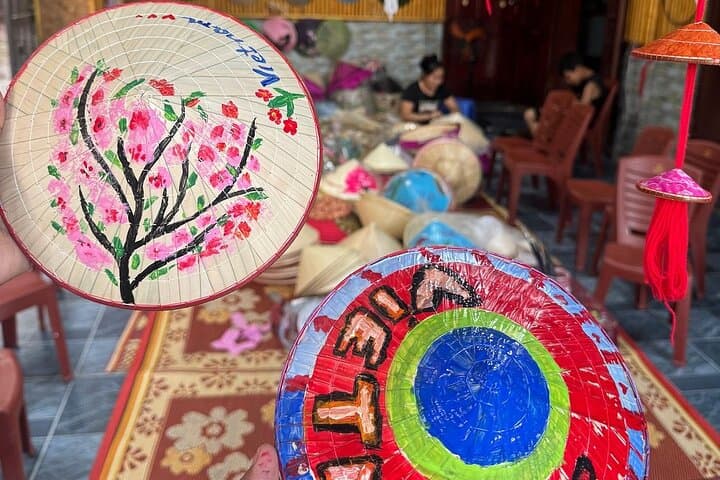
Chuong’s hat-making goes back roughly 300 years. Artisans stretch palm leaves across bamboo frames, stitch and paint each brim—simple materials shaped by exacting technique. Quang Phu Cau’s industry grew alongside regional temples and home altars; families still process rice husks, natural dyes, and scented resins into sticks whose hues mark household and festival use.
Geology plays a quiet role: low-lying alluvial plains feed the reed beds and bamboo groves that supply raw materials, while seasonally swollen canals carry finished bundles to market. Culturally, these villages offer a window into Vietnam’s craft economy—small households, multigenerational workshops, and products that travel with migrants and pilgrims.
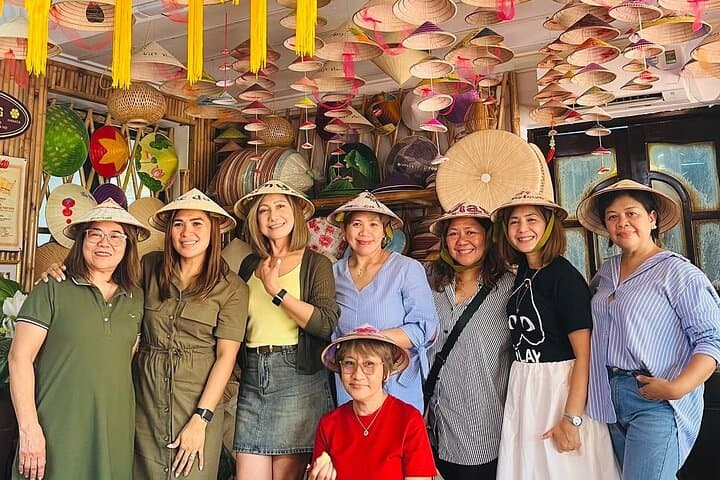
Practically, expect easy walking on village lanes, close-up demonstrations, and a hands-on segment to paint and assemble your own nón lá (conical hat). The tour includes hotel pickup from Hanoi Old Quarter, bottled water, and one handmade hat to take home. Wear breathable shoes, carry small bills for snacks or souvenirs, and plan morning or early-afternoon departures to avoid the hottest part of the day.
This is an accessible cultural outing that pairs tactile learning with street-level observation of rural craft life just beyond Hanoi’s center.
easy.
4–5 hours.
Suitable for most fitness levels; involves short periods of standing and walking on flat village lanes
Yes—pickup and drop-off are included for addresses in the Hanoi Old Quarter; confirm your pickup window when booking.
Entrance fees and the hands-on hat materials are included; the tour also provides one finished conical hat and a bottle of water.
Yes—the tour is rated easy and suitable for most ages, though visitors should be comfortable standing for short demos and walking on uneven lanes.
Yes—many households and factories sell finished products, but sizes and prices vary so check and carry small bills.
Chuong’s conical hat craft has been practiced for roughly three centuries, while Quang Phu Cau developed as a specialized incense-making center tied to regional religious and household rituals.
Support small artisans by buying directly and avoiding plastic packaging; be mindful that increased tourism can strain local water and waste systems, so follow guide instructions on where to leave rubbish.
Local Tours ASIA operates guided outdoor trips and adventures with an emphasis on safety, stewardship, and memorable experiences.

A narrow lane opens from the Old Quarter into a different rhythm: bicycles with bundles of bamboo, women threading slender sticks, and the sweet, spicy aroma of incense drifting on a warm wind. This half-day tour moves out of Hanoi’s traffic into two living craft workshops—Chuong Village, where conical hats are formed by hand, and Quang Phu Cau, where color-streaked incense dries in the sun.
A narrow lane opens from the Old Quarter into a different rhythm: bicycles with bundles of bamboo, women threading slender sticks, and the sweet, spicy aroma of incense drifting on a warm wind. This half-day tour moves out of Hanoi’s traffic into two living craft workshops—Chuong Village, where conical hats are formed by hand, and Quang Phu Cau, where color-streaked incense dries in the sun.
Chuong’s hat-making goes back roughly 300 years. Artisans stretch palm leaves across bamboo frames, stitch and paint each brim—simple materials shaped by exacting technique. Quang Phu Cau’s industry grew alongside regional temples and home altars; families still process rice husks, natural dyes, and scented resins into sticks whose hues mark household and festival use.
Geology plays a quiet role: low-lying alluvial plains feed the reed beds and bamboo groves that supply raw materials, while seasonally swollen canals carry finished bundles to market. Culturally, these villages offer a window into Vietnam’s craft economy—small households, multigenerational workshops, and products that travel with migrants and pilgrims.
Practically, expect easy walking on village lanes, close-up demonstrations, and a hands-on segment to paint and assemble your own nón lá (conical hat). The tour includes hotel pickup from Hanoi Old Quarter, bottled water, and one handmade hat to take home. Wear breathable shoes, carry small bills for snacks or souvenirs, and plan morning or early-afternoon departures to avoid the hottest part of the day.
This is an accessible cultural outing that pairs tactile learning with street-level observation of rural craft life just beyond Hanoi’s center.