THE ADVENTURE COLLECTIVE® · Independent discovery and booking for outdoor travel

A focused full-day itinerary that links Ho Chi Minh’s complex, Hoa Lo Prison and the Ethnology Museum with Hanoi’s spiritual sites and Old Quarter food culture. Practical tips on timing, dress code and what’s included make this an efficient way to see the city.
A focused full-day itinerary that links Ho Chi Minh’s complex, Hoa Lo Prison and the Ethnology Museum with Hanoi’s spiritual sites and Old Quarter food culture. Practical tips on timing, dress code and what’s included make this an efficient way to see the city.
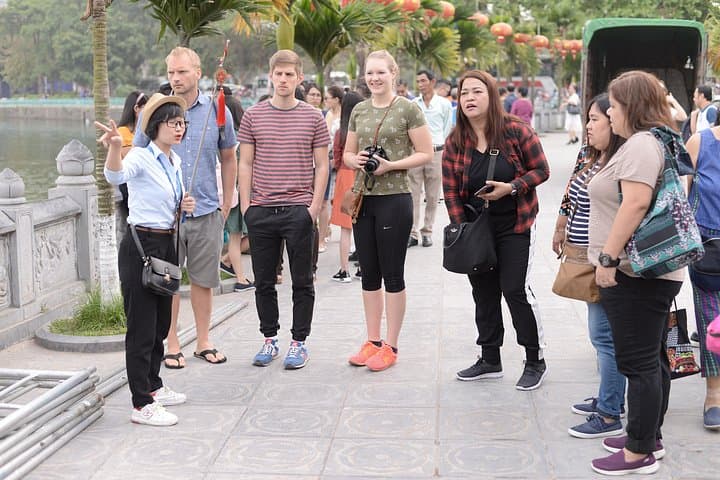
You step out of your vehicle into the broad hush of Ba Dinh Square; stone and flagpoles frame the mausoleum, and the city’s pulse—motorbikes, hawkers, the distant slap of lake water—slides past like film.
Verified experiences and guided adventures in the surrounding area.
Operated by Viet Unique Tours · Hanoi, Hanoi
You step out of your vehicle into the broad hush of Ba Dinh Square; stone and flagpoles frame the mausoleum, and the city’s pulse—motorbikes, hawkers, the distant slap of lake water—slides past like film.
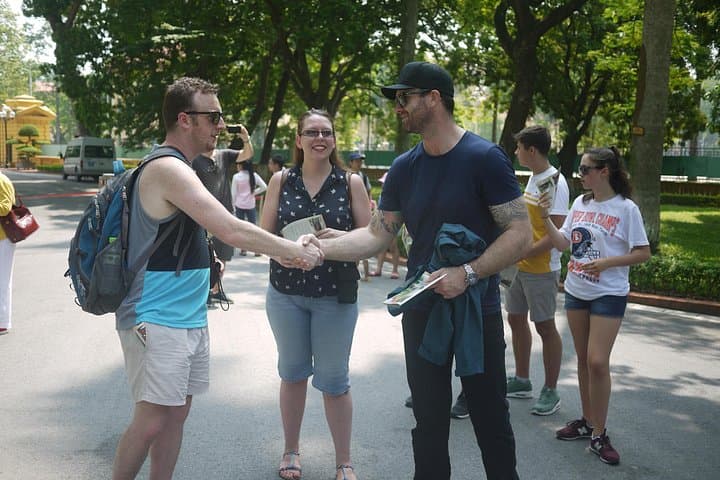
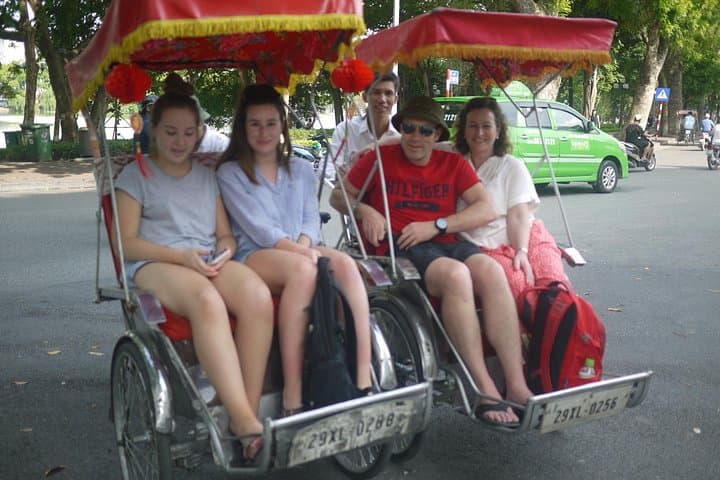
This full-day tour threads Hanoi’s 20th-century story with its deeper cultural map: the Ho Chi Minh Complex and Mausoleum, the grim cells of Hoa Lo Prison, the B-52 display that catalogues the American War’s scars, and the Ethnology Museum that catalogs life across Vietnam’s 54 ethnic groups. Tran Quoc Pagoda and the Temple of Literature offer quieter chapters—Buddhist courtyards and Confucian stelae that predate colonial gridlines.
Geologically the city sits on the flat Red River Delta; its low terraces and scattered lakes shape Hanoi’s temperate humidity and the placid West Lake shoreline where pagoda steps meet water. Culturally, the Old Quarter still hums with guild streets, pho stalls and egg coffee counters that punctuate the landmarks.
Practical note: dress respectfully—long sleeves or a scarf are required for the mausoleum and some temples. Expect several short walks on paved and cobbled surfaces and frequent road crossings. Start early to avoid mid-day heat and traffic; bring a refillable water bottle and a lightweight rain jacket during monsoon months. The tour includes transportation, entrance fees and lunch, and can be private or small-group depending on booking. Allow 6–8 hours and wear comfortable shoes: Hanoi asks you to move with it, not race it.
easy.
6–8 hours.
Suitable for most fitness levels; involves several short urban walks and standing at exhibits
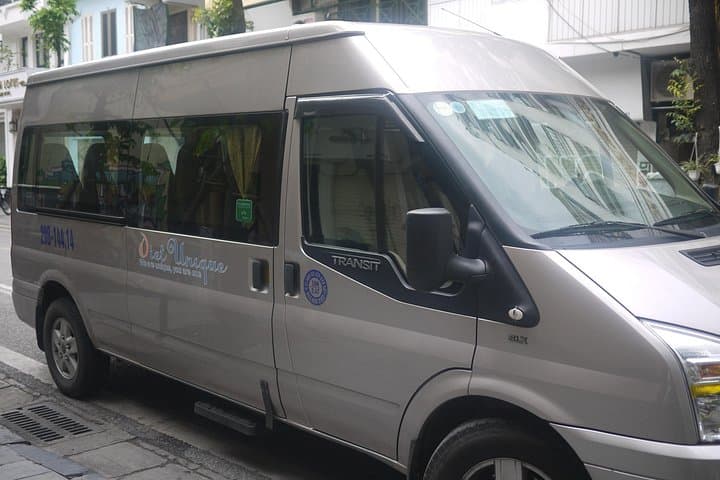
Yes—private transportation with hotel pickup and drop-off is included; confirm your pickup point when booking.
All standard entrance fees and the listed lunch are included; extra drinks or optional shows like the water puppet show may cost extra.
Yes—infants can use strollers and specialized infant seats are available, but some sites have steps and limited stroller access.
Cover shoulders and knees; avoid shorts, tank tops and hats. Security checks are strict, and photography inside is prohibited.
Hanoi’s landmarks reflect layered history: centuries-old Confucian learning at the Temple of Literature, French colonial architecture, and 20th-century sites tied to the French and American wars.
Hanoi’s lakes and historic sites face pressures from urban development and pollution—minimize waste, use marked paths and support local guides who follow preservation rules.
Viet Unique Tours operates guided outdoor trips and adventures with an emphasis on safety, stewardship, and memorable experiences.
You step out of your vehicle into the broad hush of Ba Dinh Square; stone and flagpoles frame the mausoleum, and the city’s pulse—motorbikes, hawkers, the distant slap of lake water—slides past like film.
You step out of your vehicle into the broad hush of Ba Dinh Square; stone and flagpoles frame the mausoleum, and the city’s pulse—motorbikes, hawkers, the distant slap of lake water—slides past like film.
This full-day tour threads Hanoi’s 20th-century story with its deeper cultural map: the Ho Chi Minh Complex and Mausoleum, the grim cells of Hoa Lo Prison, the B-52 display that catalogues the American War’s scars, and the Ethnology Museum that catalogs life across Vietnam’s 54 ethnic groups. Tran Quoc Pagoda and the Temple of Literature offer quieter chapters—Buddhist courtyards and Confucian stelae that predate colonial gridlines.
Geologically the city sits on the flat Red River Delta; its low terraces and scattered lakes shape Hanoi’s temperate humidity and the placid West Lake shoreline where pagoda steps meet water. Culturally, the Old Quarter still hums with guild streets, pho stalls and egg coffee counters that punctuate the landmarks.
Practical note: dress respectfully—long sleeves or a scarf are required for the mausoleum and some temples. Expect several short walks on paved and cobbled surfaces and frequent road crossings. Start early to avoid mid-day heat and traffic; bring a refillable water bottle and a lightweight rain jacket during monsoon months. The tour includes transportation, entrance fees and lunch, and can be private or small-group depending on booking. Allow 6–8 hours and wear comfortable shoes: Hanoi asks you to move with it, not race it.