THE ADVENTURE COLLECTIVE® · Independent discovery and booking for outdoor travel

Spend a day outside Hanoi meeting lacquer painters, hat makers and incense dyers. This hands-on tour visits three historic craft villages—expect workshops, a home-cooked lunch, and a conical hat you helped make.
Spend a day outside Hanoi meeting lacquer painters, hat makers and incense dyers. This hands-on tour visits three historic craft villages—expect workshops, a home-cooked lunch, and a conical hat you helped make.
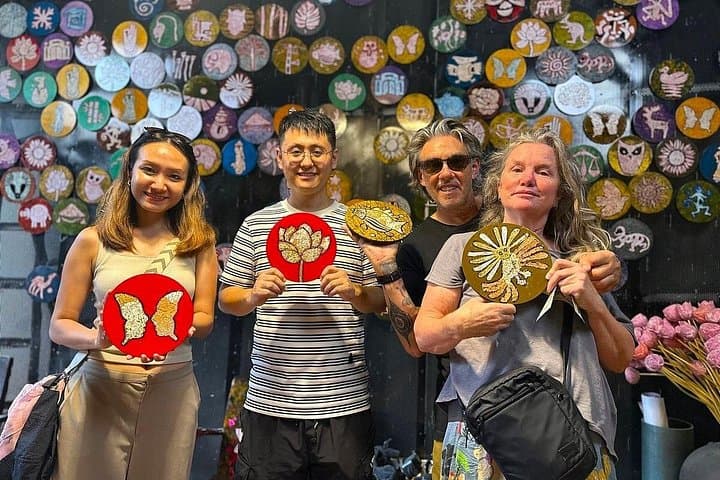
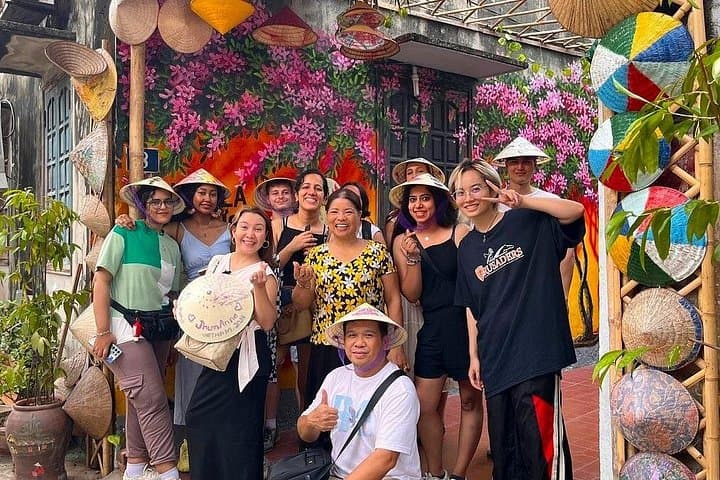
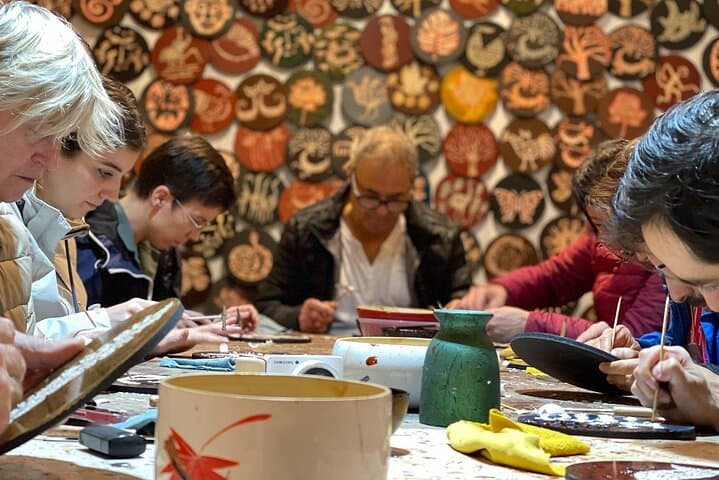
A dusky Hanoi morning eases out of the Old Quarter and the minivans slip past rice paddies and low brick houses toward villages where centuries-old crafts still take shape by hand. In Ha Thai, lacquer’s glossy layers catch sunlight like thin armor; in Chuong, the slow rhythm of hat weaving threads the day; in Quang Phu Cau, ranks of dyed incense sticks flare with color and scent. The itinerary is tactile—brush to lacquer, reed to brim, paste to stick—so visitors don’t just watch traditions, they handle them.
Verified experiences and guided adventures in the surrounding area.
Operated by Authentic HALONG · Hanoi, Hanoi
A dusky Hanoi morning eases out of the Old Quarter and the minivans slip past rice paddies and low brick houses toward villages where centuries-old crafts still take shape by hand. In Ha Thai, lacquer’s glossy layers catch sunlight like thin armor; in Chuong, the slow rhythm of hat weaving threads the day; in Quang Phu Cau, ranks of dyed incense sticks flare with color and scent. The itinerary is tactile—brush to lacquer, reed to brim, paste to stick—so visitors don’t just watch traditions, they handle them.
These villages reflect northern Vietnam’s combined history of craft, trade and rural life. Ha Thai’s lacquer techniques have evolved since the 17th century, blending natural sap and pigments. Chuong’s conical hats (nón lá) are practical agricultural gear with patterns that vary by province. Quang Phu Cau’s incense industry grew to supply temples and markets across Tonkin, its families passing recipes and dyeing methods down generations.
Expect neighborhood streets of packed earth and narrow lanes, low-slung workshops, and friendly artisans who often work barefoot and fast. Photography is welcomed but ask first; many households double as living workshops.
Practical notes: this is a full-day, mostly low-impact tour with several short walks on uneven village lanes—flat-soled shoes and sun protection are essential. Bring cash for small purchases, a compact camera, and curiosity; meals are home-cooked and can accommodate dietary needs if requested. Timing your visit outside midday heat makes paint and dye work easier to watch, and early light gives lacquer a truer sheen. The reward is immediate: a hat you helped make and clearer sense of how craft anchors community life around Hanoi.
easy.
9 hours.
Suitable for all fitness levels; requires several short walks on flat to uneven village paths
Yes—hosts can provide vegetarian, vegan, or other dietary options if you indicate requirements when booking.
Yes—participants usually have a hands-on session painting or assembling a hat under artisan supervision; you’ll take it home afterward.
Walking is light to moderate—mostly short strolls through village lanes and inside workshops, suitable for most fitness levels.
Many village workshops have uneven ground and limited ramps; accessibility is limited—contact the operator to discuss specific needs.
These craft villages date back centuries, forming local economies tied to Hanoi’s markets; lacquer and incense were household industries long before industrialization.
Visitors should avoid buying items made from protected woods or wildlife products and support households that source materials sustainably; minimizing plastic waste helps keep village lanes clean.
Authentic HALONG operates guided outdoor trips and adventures with an emphasis on safety, stewardship, and memorable experiences.

A dusky Hanoi morning eases out of the Old Quarter and the minivans slip past rice paddies and low brick houses toward villages where centuries-old crafts still take shape by hand. In Ha Thai, lacquer’s glossy layers catch sunlight like thin armor; in Chuong, the slow rhythm of hat weaving threads the day; in Quang Phu Cau, ranks of dyed incense sticks flare with color and scent. The itinerary is tactile—brush to lacquer, reed to brim, paste to stick—so visitors don’t just watch traditions, they handle them.
A dusky Hanoi morning eases out of the Old Quarter and the minivans slip past rice paddies and low brick houses toward villages where centuries-old crafts still take shape by hand. In Ha Thai, lacquer’s glossy layers catch sunlight like thin armor; in Chuong, the slow rhythm of hat weaving threads the day; in Quang Phu Cau, ranks of dyed incense sticks flare with color and scent. The itinerary is tactile—brush to lacquer, reed to brim, paste to stick—so visitors don’t just watch traditions, they handle them.
These villages reflect northern Vietnam’s combined history of craft, trade and rural life. Ha Thai’s lacquer techniques have evolved since the 17th century, blending natural sap and pigments. Chuong’s conical hats (nón lá) are practical agricultural gear with patterns that vary by province. Quang Phu Cau’s incense industry grew to supply temples and markets across Tonkin, its families passing recipes and dyeing methods down generations.
Expect neighborhood streets of packed earth and narrow lanes, low-slung workshops, and friendly artisans who often work barefoot and fast. Photography is welcomed but ask first; many households double as living workshops.
Practical notes: this is a full-day, mostly low-impact tour with several short walks on uneven village lanes—flat-soled shoes and sun protection are essential. Bring cash for small purchases, a compact camera, and curiosity; meals are home-cooked and can accommodate dietary needs if requested. Timing your visit outside midday heat makes paint and dye work easier to watch, and early light gives lacquer a truer sheen. The reward is immediate: a hat you helped make and clearer sense of how craft anchors community life around Hanoi.