THE ADVENTURE COLLECTIVE® · Independent discovery and booking for outdoor travel

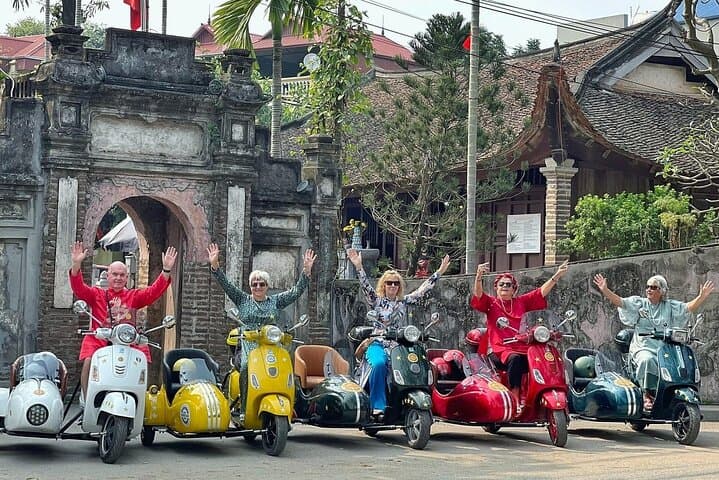
Jump into a Vespa sidecar and trade Hanoi’s traffic for rice paddies, local markets, and the ancient earthworks of Co Loa. This half-day tour pairs scenic riding with a family-style Vietnamese lunch.
Jump into a Vespa sidecar and trade Hanoi’s traffic for rice paddies, local markets, and the ancient earthworks of Co Loa. This half-day tour pairs scenic riding with a family-style Vietnamese lunch.
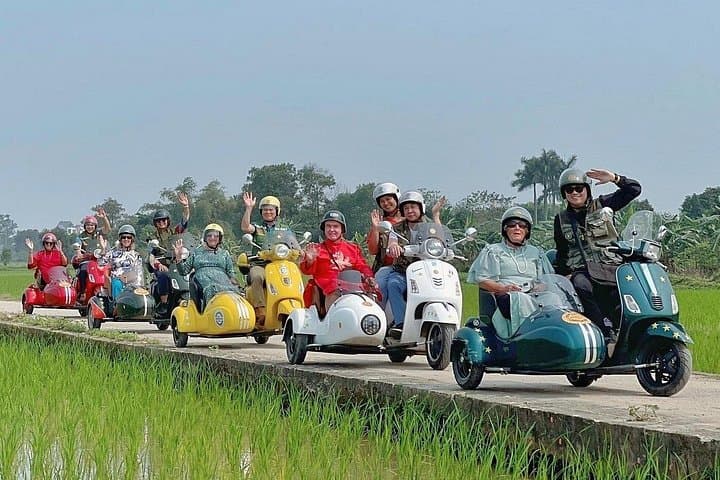
The morning air tastes of river mud and wood smoke as a Vespa sidecar pulls away from Hanoi’s Old Quarter and the city recedes into green fields.
Verified experiences and guided adventures in the surrounding area.
Operated by Phu Tho Travel · Hanoi, Hanoi
The morning air tastes of river mud and wood smoke as a Vespa sidecar pulls away from Hanoi’s Old Quarter and the city recedes into green fields.
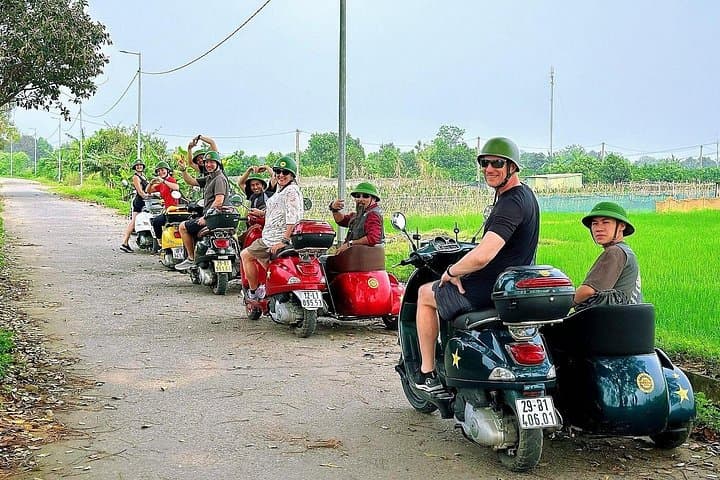
Within thirty minutes the road narrows: rice paddies flatten to the horizon, water buffaloes graze like deliberate machines, and women in conical hats move between flooded plots. The sidecar ride gives you a front-row seat—wind, conversation, and the occasional rooster daring you to slow down.
At the heart of the day is Co Loa Citadel, a fortified site with earthen ramparts dating back to the 3rd century BCE. The layered banks and scattered brick relics are less about perfect preservation than living memory—temples, village shrines, and legends of early Vietnamese statehood set against low limestone outcrops and alluvial clay soils formed by the Red River.
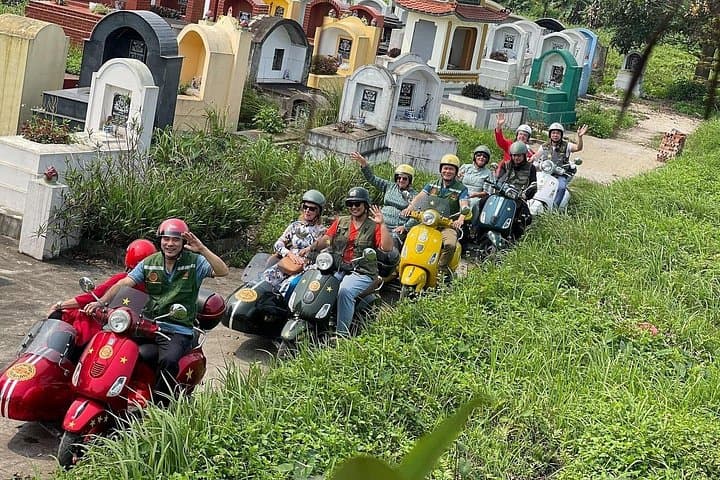
Culture here is practice, not performance: wet-rice farming, bonsai and vegetable plots, and market stalls where produce is weighed by hand. The tour ends with a family meal—simple fish, herbs, steamed rice—served in someone’s courtyard, where food and stories trade places.
Practical notes: wear closed shoes for muddy village lanes, bring sun protection and a light rain layer (sidecars provide ponchos). Expect several short walks on uneven ground and exposure to sun between stops. The pace is conversational—ask questions, accept invitations to sample fruits, and keep valuables secured; roads can be bumpy. Morning departures avoid the hottest hours and make for cleaner light if you plan photos. This is a low-impact, high-connection day trip that trades adrenaline for intimacy with rural life.
moderate.
4–5 hours.
Suitable for travelers with moderate fitness able to walk short distances on uneven ground and tolerate bumpy rides.
No; the sidecar is guided by an experienced driver—passengers need only be able to climb in and hold on during the short ride.
Most hosts can accommodate common requests if noted at booking, but bring specifics and plan for simple local dishes based on rice, vegetables, and fish.
Yes—helmets and rain ponchos are included, though you may bring your own for comfort.
Co Loa’s earthen ramparts and village lanes are uneven and often muddy; this tour is not recommended for travelers with limited mobility.
Co Loa was the capital of the ancient Au Lac kingdom and features multi-layered ramparts that reflect early Vietnamese state-building around the 3rd century BCE.
Visitors should stay on paths, avoid picking plants, and minimize plastic waste—rural communities rely on clean water and crop integrity for livelihoods.
Phu Tho Travel operates guided outdoor trips and adventures with an emphasis on safety, stewardship, and memorable experiences.
The morning air tastes of river mud and wood smoke as a Vespa sidecar pulls away from Hanoi’s Old Quarter and the city recedes into green fields.
The morning air tastes of river mud and wood smoke as a Vespa sidecar pulls away from Hanoi’s Old Quarter and the city recedes into green fields.
Within thirty minutes the road narrows: rice paddies flatten to the horizon, water buffaloes graze like deliberate machines, and women in conical hats move between flooded plots. The sidecar ride gives you a front-row seat—wind, conversation, and the occasional rooster daring you to slow down.
At the heart of the day is Co Loa Citadel, a fortified site with earthen ramparts dating back to the 3rd century BCE. The layered banks and scattered brick relics are less about perfect preservation than living memory—temples, village shrines, and legends of early Vietnamese statehood set against low limestone outcrops and alluvial clay soils formed by the Red River.
Culture here is practice, not performance: wet-rice farming, bonsai and vegetable plots, and market stalls where produce is weighed by hand. The tour ends with a family meal—simple fish, herbs, steamed rice—served in someone’s courtyard, where food and stories trade places.
Practical notes: wear closed shoes for muddy village lanes, bring sun protection and a light rain layer (sidecars provide ponchos). Expect several short walks on uneven ground and exposure to sun between stops. The pace is conversational—ask questions, accept invitations to sample fruits, and keep valuables secured; roads can be bumpy. Morning departures avoid the hottest hours and make for cleaner light if you plan photos. This is a low-impact, high-connection day trip that trades adrenaline for intimacy with rural life.