THE ADVENTURE COLLECTIVE® · Independent discovery and booking for outdoor travel

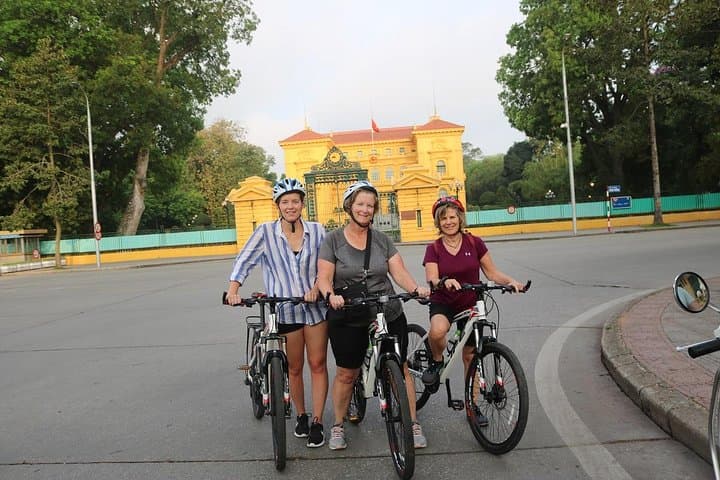
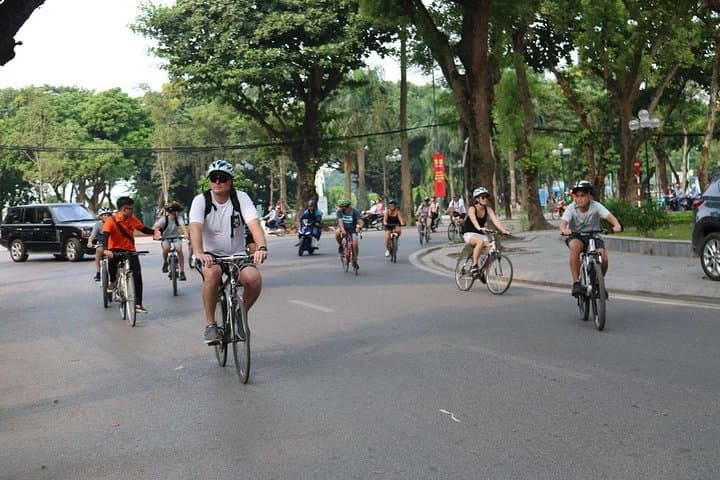
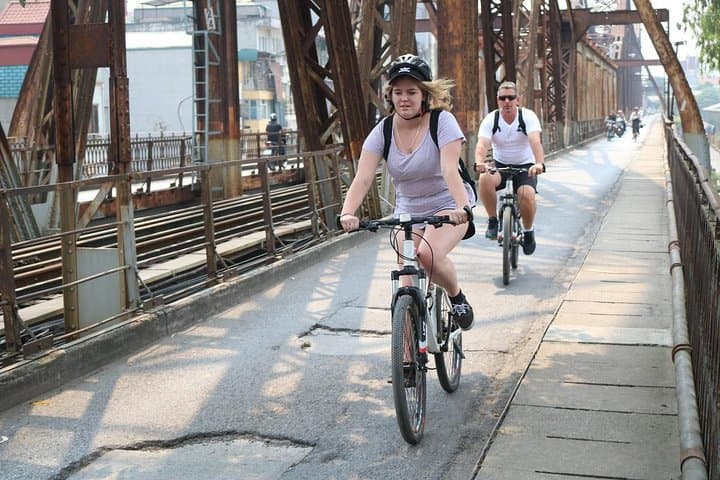
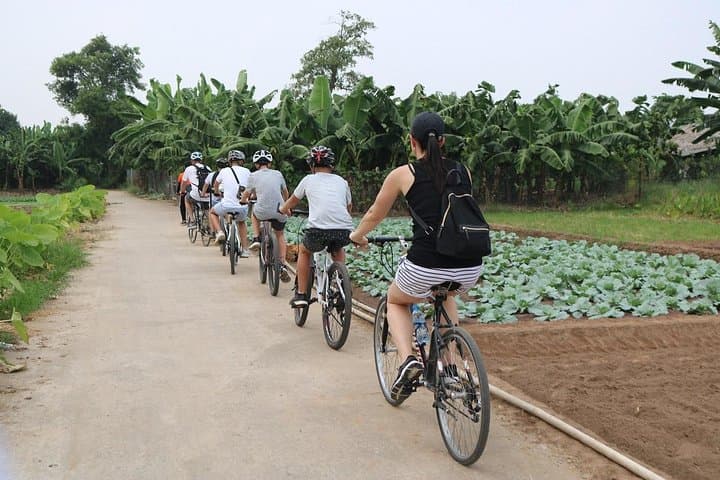
Experience Hanoi at street level on a guided bicycle tour that links Long Biên Bridge, Red River island farms, train street and lakeside roads. Four to five hours of flat riding, local food stops, and intimate neighborhood visits reveal the city's everyday rhythms.
Experience Hanoi at street level on a guided bicycle tour that links Long Biên Bridge, Red River island farms, train street and lakeside roads. Four to five hours of flat riding, local food stops, and intimate neighborhood visits reveal the city's everyday rhythms.
Pedal rumbling beneath you, the morning in Hanoi opens like a city breathing through its alleys. Bikes thread between motorbikes, vendors arrange fresh herbs, and the guide steers you toward the narrow tracks where daily life unfolds at arm’s length. The air is a mix of frying oil, river breeze, and green banana leaf markets — an immediate, precise way to read the city.
Verified experiences and guided adventures in the surrounding area.
Operated by Bicycle Tours Hanoi · Hanoi, Hanoi
Pedal rumbling beneath you, the morning in Hanoi opens like a city breathing through its alleys. Bikes thread between motorbikes, vendors arrange fresh herbs, and the guide steers you toward the narrow tracks where daily life unfolds at arm’s length. The air is a mix of frying oil, river breeze, and green banana leaf markets — an immediate, precise way to read the city.
This ride stitches together Hanoi’s layered past and present: the iron lattice of Long Biên Bridge built by the Eiffel company in 1902, the low-lying Red River island farms that still grow corn and banana, the hundred-year Reunification Train Street where rails cut centimeters from homes, and lakeside avenues that contrast colonial facades with new towers. Geology here is subtle — alluvial flats of the Red River basin shaping canals and fertile strips that feed city markets. Culturally, the tour exposes household rituals, flower-village trade, and the compact economy of street food.
Practical guidance: expect 4–5 hours of mostly flat riding on mixed surfaces — paved alleys, market concrete, and quiet farm tracks. Helmets and bikes are provided; carry sun protection, cash for street snacks, and a compact rain layer in wet months. Ride defensively in traffic, follow your guide’s pace, and pause often — the best impressions come from small markets, a family visit, or an egg coffee stop. This is an urban adventure with rural edges: sensory, manageable, and rooted in real Hanoi life.
moderate.
4–5 hours.
Basic cycling fitness; be comfortable riding in urban traffic and for several hours with short breaks
Most tours offer hotel pickup in central Hanoi; confirm your exact pickup point during booking and expect a short transfer to the bike shop.
Yes — the route is mostly flat and guides keep a controllable pace; basic bike handling and comfort in traffic are recommended.
Lunch at a local restaurant and bottled water are included; additional snacks or coffee (like egg coffee) can be paid for on site.
The operator’s cancellation policy allows full refunds if you cancel at least 24 hours before departure; short rain does not always cancel tours but may require route adjustments.
Long Biên Bridge, completed in 1902 by the firm associated with Gustave Eiffel, became a resilient symbol during wartime and an enduring piece of Hanoi’s colonial-era infrastructure.
The Red River floodplain supports small-scale farming inside the city; visitors should avoid littering, use established paths, and support local vendors to reduce pressure on fragile riverbank habitats.
Bicycle Tours Hanoi operates guided outdoor trips and adventures with an emphasis on safety, stewardship, and memorable experiences.
Pedal rumbling beneath you, the morning in Hanoi opens like a city breathing through its alleys. Bikes thread between motorbikes, vendors arrange fresh herbs, and the guide steers you toward the narrow tracks where daily life unfolds at arm’s length. The air is a mix of frying oil, river breeze, and green banana leaf markets — an immediate, precise way to read the city.
Pedal rumbling beneath you, the morning in Hanoi opens like a city breathing through its alleys. Bikes thread between motorbikes, vendors arrange fresh herbs, and the guide steers you toward the narrow tracks where daily life unfolds at arm’s length. The air is a mix of frying oil, river breeze, and green banana leaf markets — an immediate, precise way to read the city.
This ride stitches together Hanoi’s layered past and present: the iron lattice of Long Biên Bridge built by the Eiffel company in 1902, the low-lying Red River island farms that still grow corn and banana, the hundred-year Reunification Train Street where rails cut centimeters from homes, and lakeside avenues that contrast colonial facades with new towers. Geology here is subtle — alluvial flats of the Red River basin shaping canals and fertile strips that feed city markets. Culturally, the tour exposes household rituals, flower-village trade, and the compact economy of street food.
Practical guidance: expect 4–5 hours of mostly flat riding on mixed surfaces — paved alleys, market concrete, and quiet farm tracks. Helmets and bikes are provided; carry sun protection, cash for street snacks, and a compact rain layer in wet months. Ride defensively in traffic, follow your guide’s pace, and pause often — the best impressions come from small markets, a family visit, or an egg coffee stop. This is an urban adventure with rural edges: sensory, manageable, and rooted in real Hanoi life.