THE ADVENTURE COLLECTIVE® · Independent discovery and booking for outdoor travel

Trade Shanghai’s towers for tea terraces and shallow creek crossings on a one-day, bullet-train escape to Hangzhou. Walk cobbled streams, taste fresh Longjing tea at a farmer’s house, and return by high-speed rail — all in a guided, door-to-door itinerary.
Trade Shanghai’s towers for tea terraces and shallow creek crossings on a one-day, bullet-train escape to Hangzhou. Walk cobbled streams, taste fresh Longjing tea at a farmer’s house, and return by high-speed rail — all in a guided, door-to-door itinerary.
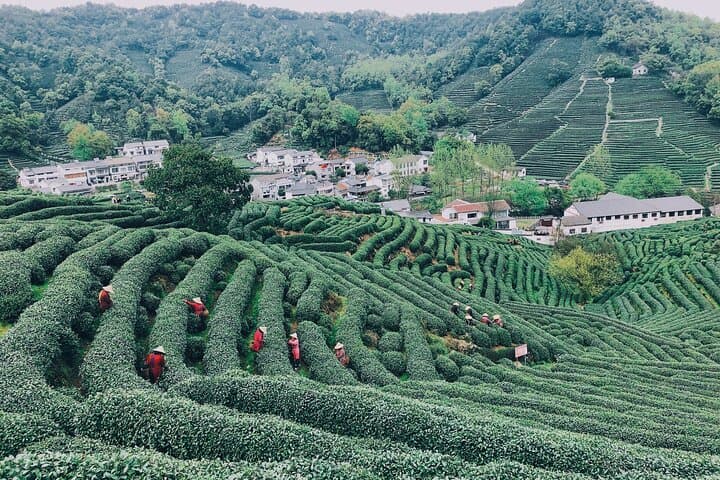
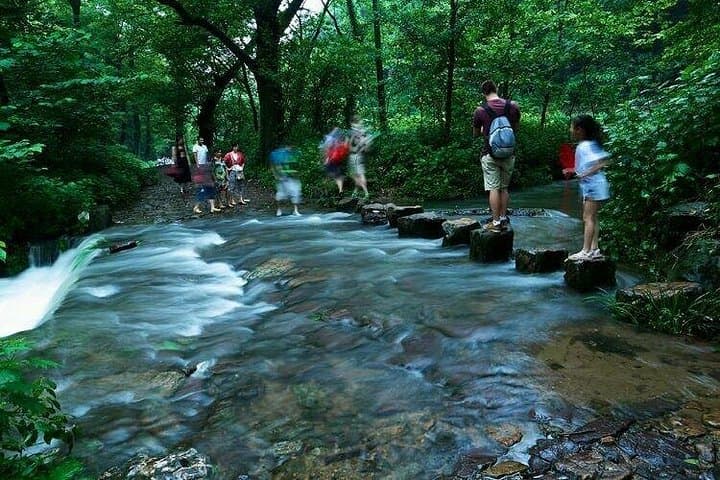
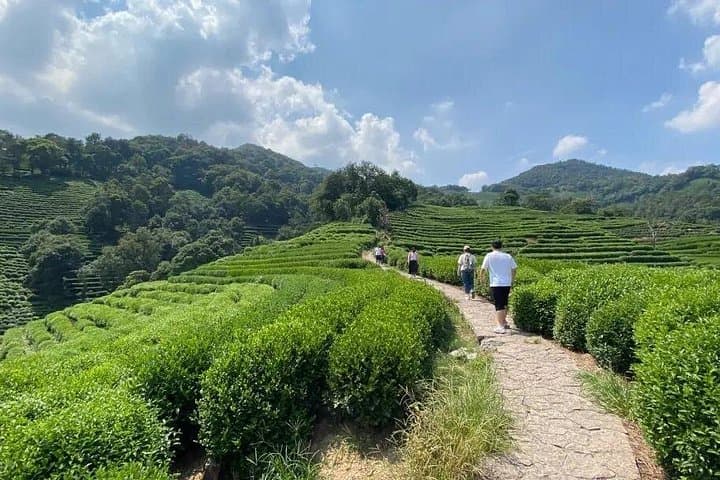
Morning mist lifts off Jiuxi’s shallow streams as the bullet train from Shanghai pulls into Hangzhou — a calm, efficient transition from the city’s skyline to tea-scented hills. The day unfolds on stone paths and creek crossings: superficial channels that challenge balance more than stamina, and terraces of Longjing (Dragon Well) tea that slope into wide mountain air.
Verified experiences and guided adventures in the surrounding area.
Operated by Sunny Private Tours · Hangzhou, Zhejiang
Morning mist lifts off Jiuxi’s shallow streams as the bullet train from Shanghai pulls into Hangzhou — a calm, efficient transition from the city’s skyline to tea-scented hills. The day unfolds on stone paths and creek crossings: superficial channels that challenge balance more than stamina, and terraces of Longjing (Dragon Well) tea that slope into wide mountain air.
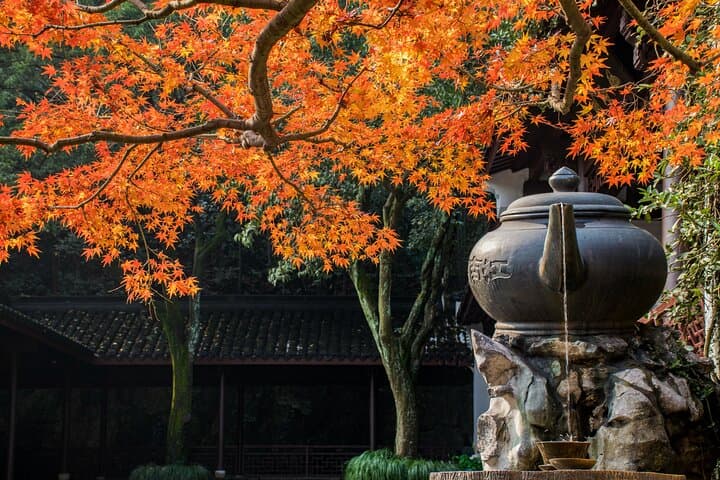
Hangzhou’s reputation as a “Paradise City” dates back centuries; the West Lake era shaped gardens, poetry and tea culture, while the tea terraces themselves are cut into older riverine and colluvial soils on the lower flanks of the local hills. Villages like Meijiawu reflect a living tea economy — inexperienced leaves are still hand-plucked and roasted for the pan-fired Longjing green tea that made the region famous.
On the trail, water takes center stage — Jiuxi’s nine creeks dare you to keep pace, its cobblestones telling of foot traffic across generations. Guides balance cultural context (tea processing, local farming rhythms) with simple route management: where to ford, where to rest, and how to read the weather.
Practicalities: the full experience is a 6–8 hour day including round-trip high-speed rail; expect mostly easy walking with short creek crossings and uneven cobbles. Bring grippy footwear, sun protection and a small daypack; seasonal conditions change the difficulty more than elevation does. Trains run frequently between Shanghai and Hangzhou, but booking return legs to your preferred drop-off (Hangzhou or Shanghai) in advance is prudent. This trip suits travelers who want nature, history and a tactile introduction to China’s premier tea landscape in a single, well-structured day.
easy.
6–8 hours.
Suitable for most adults who can walk 6–10 km on uneven terrain; no sustained climbs required.
The walking portion in Jiuxi typically takes about 1.5–2 hours, spread over cobbled paths and shallow creek crossings with time for photos and short rests.
Yes; the tour is listed as suitable for most fitness levels. Creek crossings are shallow but may be slippery — supervision and steady footwear are advised.
Yes; the itinerary includes a tea village visit with demonstration, tasting and time to purchase directly from local producers.
Yes; many bookings offer a Hangzhou hotel drop-off option — confirm when booking so the train ticket and transfers match your preference.
Hangzhou’s Longjing tea rose to prominence during the Song dynasty; imperial patronage and the city’s cultural status helped codify tea processing techniques still practiced locally.
Terrace farming and tourist flows strain fragile soils and water; stick to marked paths, avoid trampling tea plants, and support local producers who practice sustainable harvesting.
Sunny Private Tours operates guided outdoor trips and adventures with an emphasis on safety, stewardship, and memorable experiences.
Morning mist lifts off Jiuxi’s shallow streams as the bullet train from Shanghai pulls into Hangzhou — a calm, efficient transition from the city’s skyline to tea-scented hills. The day unfolds on stone paths and creek crossings: superficial channels that challenge balance more than stamina, and terraces of Longjing (Dragon Well) tea that slope into wide mountain air.
Morning mist lifts off Jiuxi’s shallow streams as the bullet train from Shanghai pulls into Hangzhou — a calm, efficient transition from the city’s skyline to tea-scented hills. The day unfolds on stone paths and creek crossings: superficial channels that challenge balance more than stamina, and terraces of Longjing (Dragon Well) tea that slope into wide mountain air.
Hangzhou’s reputation as a “Paradise City” dates back centuries; the West Lake era shaped gardens, poetry and tea culture, while the tea terraces themselves are cut into older riverine and colluvial soils on the lower flanks of the local hills. Villages like Meijiawu reflect a living tea economy — inexperienced leaves are still hand-plucked and roasted for the pan-fired Longjing green tea that made the region famous.
On the trail, water takes center stage — Jiuxi’s nine creeks dare you to keep pace, its cobblestones telling of foot traffic across generations. Guides balance cultural context (tea processing, local farming rhythms) with simple route management: where to ford, where to rest, and how to read the weather.
Practicalities: the full experience is a 6–8 hour day including round-trip high-speed rail; expect mostly easy walking with short creek crossings and uneven cobbles. Bring grippy footwear, sun protection and a small daypack; seasonal conditions change the difficulty more than elevation does. Trains run frequently between Shanghai and Hangzhou, but booking return legs to your preferred drop-off (Hangzhou or Shanghai) in advance is prudent. This trip suits travelers who want nature, history and a tactile introduction to China’s premier tea landscape in a single, well-structured day.