THE ADVENTURE COLLECTIVE® · Independent discovery and booking for outdoor travel

Explore Hangzhou’s highlights in a single private day: stroll West Lake, sip tea at China’s only tea museum, and visit the carved grottoes and halls of Lingyin Temple. This practical guide outlines what to expect and how to prepare.
Explore Hangzhou’s highlights in a single private day: stroll West Lake, sip tea at China’s only tea museum, and visit the carved grottoes and halls of Lingyin Temple. This practical guide outlines what to expect and how to prepare.
Morning light lifts off West Lake and the city exhales — you step onto a stone promenade where willows lean over glass-still water and pavilions punctuate the skyline. A private guide meets you downtown and the day unfolds as a sequence of short walks, quiet ceremonies and carved rock faces: a west-lake cruise or skiff, the tea rooms of the China National Tea Museum, and the rock-cut grottoes around Lingyin Temple.
Verified experiences and guided adventures in the surrounding area.
Operated by Catherine Lu Tours · Hangzhou, Zhejiang
Morning light lifts off West Lake and the city exhales — you step onto a stone promenade where willows lean over glass-still water and pavilions punctuate the skyline. A private guide meets you downtown and the day unfolds as a sequence of short walks, quiet ceremonies and carved rock faces: a west-lake cruise or skiff, the tea rooms of the China National Tea Museum, and the rock-cut grottoes around Lingyin Temple.
West Lake’s shoreline is mostly paved with embankments and low bridges; expect 2–4 km of easy walking and plenty of stops for views and stories. The lake’s plains sit on alluvial deposits from the Qiantang River; silk and tea shaped the area’s wealth through the Tang and Song dynasties, and many classical garden scenes you’ll see date from that era. Lingyin’s mountain path introduces rougher stone steps and Buddhist grottoes carved into Feilai Feng — modest elevation gain of roughly 50–100 m across short sections.
Culturally, the tour pairs temple rituals and rock carvings with a practical lesson in tea: tasting, scent, and how local terroir influences Longjing leaves. Guides often stitch in the Legend of the White Snake and the role of Hangzhou as a Southern capital under imperial dynasties.
Practical: wear grippy walking shoes for stone steps, carry a refillable water bottle, and plan for 8 hours total including transit. Mornings are cooler and less crowded; reserve the private car to maximize time at each site. Bring modest clothing for temple visits and a light layer for inland breezes.
easy.
8 hours.
Suitable for travelers comfortable with several hours of easy walking and short flights of steps; minimal endurance required.
The private tour runs about 8 hours and includes entrance tickets, an English-speaking guide, and private air-conditioned transport.
Many areas around West Lake and the tea museum are accessible, but Lingyin’s grottoes involve steps; check with the operator for specific mobility needs.
Yes — guides typically offer a choice between a short cruise or small boat time on the lake as part of the itinerary.
This listing provides an English-speaking guide; request other languages at booking but availability may vary.
Hangzhou rose to prominence in the Tang and Song eras as a mercantile and cultural hub; West Lake scenes influenced classical Chinese garden design for centuries.
Visitor pressure on West Lake is managed through controlled access and paved paths; avoid feeding wildlife and dispose of waste properly to protect water quality.
Catherine Lu Tours operates guided outdoor trips and adventures with an emphasis on safety, stewardship, and memorable experiences.
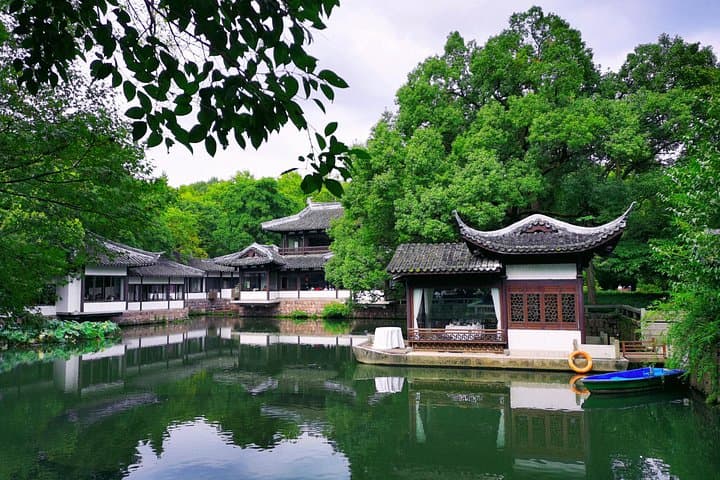

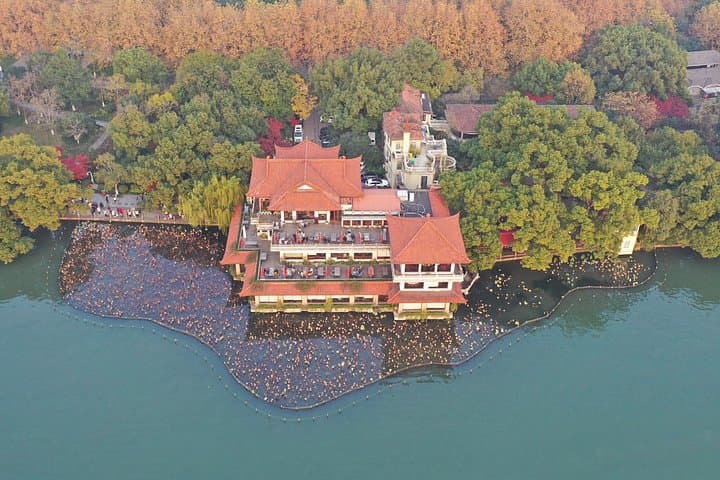
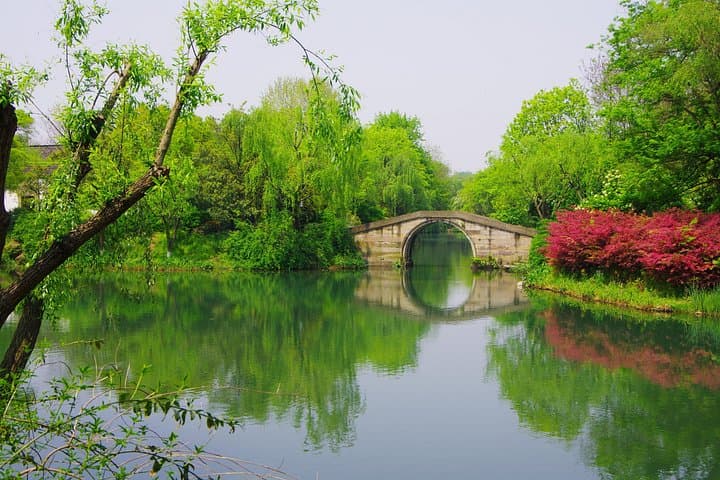
Morning light lifts off West Lake and the city exhales — you step onto a stone promenade where willows lean over glass-still water and pavilions punctuate the skyline. A private guide meets you downtown and the day unfolds as a sequence of short walks, quiet ceremonies and carved rock faces: a west-lake cruise or skiff, the tea rooms of the China National Tea Museum, and the rock-cut grottoes around Lingyin Temple.
Morning light lifts off West Lake and the city exhales — you step onto a stone promenade where willows lean over glass-still water and pavilions punctuate the skyline. A private guide meets you downtown and the day unfolds as a sequence of short walks, quiet ceremonies and carved rock faces: a west-lake cruise or skiff, the tea rooms of the China National Tea Museum, and the rock-cut grottoes around Lingyin Temple.
West Lake’s shoreline is mostly paved with embankments and low bridges; expect 2–4 km of easy walking and plenty of stops for views and stories. The lake’s plains sit on alluvial deposits from the Qiantang River; silk and tea shaped the area’s wealth through the Tang and Song dynasties, and many classical garden scenes you’ll see date from that era. Lingyin’s mountain path introduces rougher stone steps and Buddhist grottoes carved into Feilai Feng — modest elevation gain of roughly 50–100 m across short sections.
Culturally, the tour pairs temple rituals and rock carvings with a practical lesson in tea: tasting, scent, and how local terroir influences Longjing leaves. Guides often stitch in the Legend of the White Snake and the role of Hangzhou as a Southern capital under imperial dynasties.
Practical: wear grippy walking shoes for stone steps, carry a refillable water bottle, and plan for 8 hours total including transit. Mornings are cooler and less crowded; reserve the private car to maximize time at each site. Bring modest clothing for temple visits and a light layer for inland breezes.