THE ADVENTURE COLLECTIVE® · Independent discovery and booking for outdoor travel

Spend a day moving from temple courtyards to tea plantations and historic lanes in Hangzhou. This guided loop highlights Faxi Temple, the China National Tea Museum, Taiziwan Park, Hu Xueyan’s mansion, and Hefang Street with practical tips on timing, walking, and local snacks.
Spend a day moving from temple courtyards to tea plantations and historic lanes in Hangzhou. This guided loop highlights Faxi Temple, the China National Tea Museum, Taiziwan Park, Hu Xueyan’s mansion, and Hefang Street with practical tips on timing, walking, and local snacks.
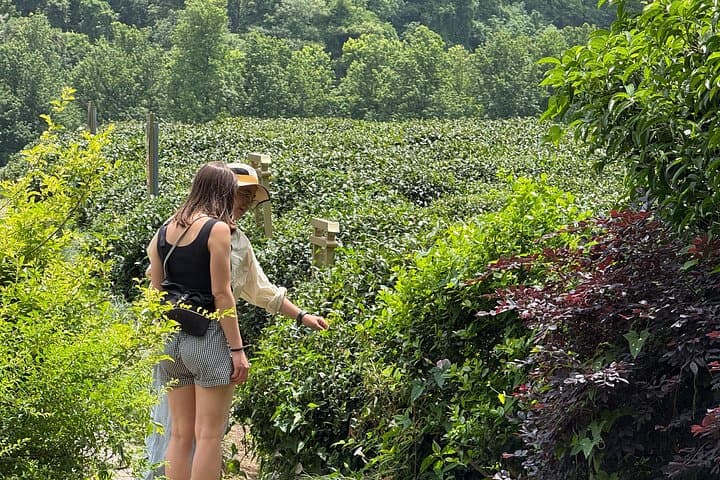
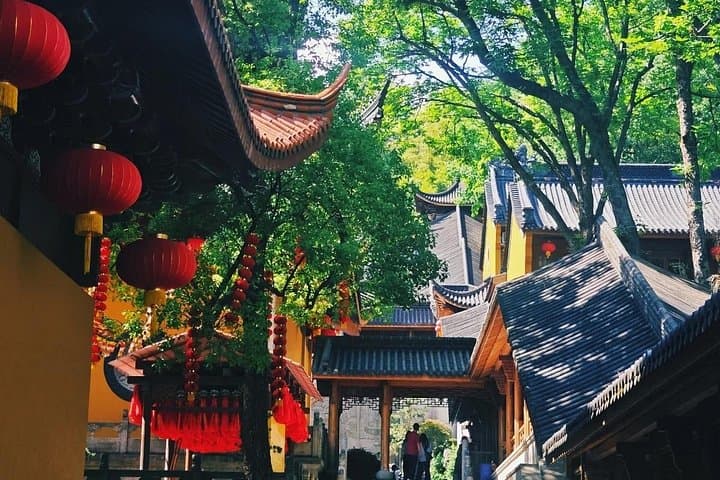
Morning light slides across low hills as tea bushes lean forward, offering the faint scent of roasted leaves. Your day in Hangzhou begins among stone stairs and tiled roofs at Faxi Temple, where a 500-year-old magnolia shades courtyards that have watched city life change for a millennium.
Verified experiences and guided adventures in the surrounding area.
Operated by Bike Through Hangzhou: Discover History, Culture & Local Life · Hangzhou, Zhejiang
Morning light slides across low hills as tea bushes lean forward, offering the faint scent of roasted leaves. Your day in Hangzhou begins among stone stairs and tiled roofs at Faxi Temple, where a 500-year-old magnolia shades courtyards that have watched city life change for a millennium.
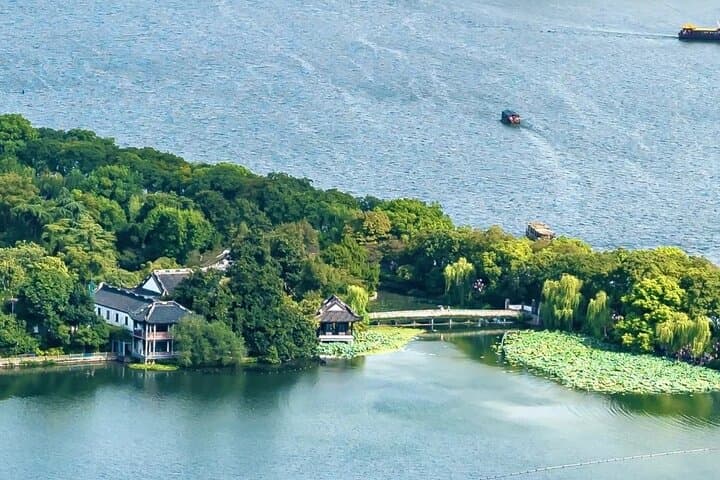
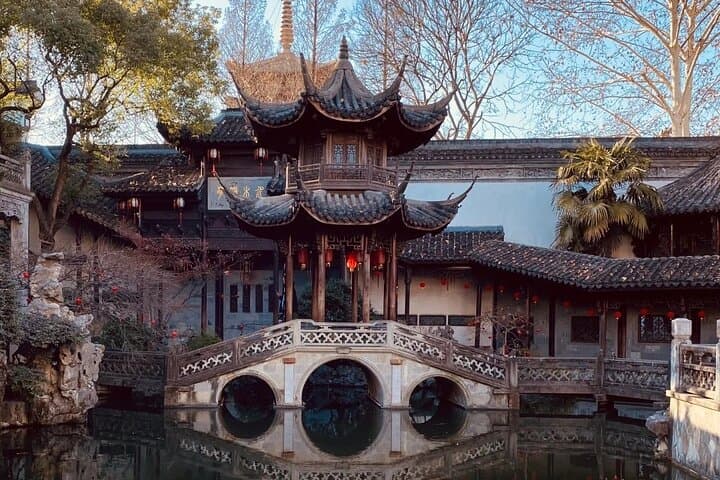
This full-day circuit threads together Hangzhou’s cultural landmarks and living traditions. Faxi dates to 936 AD and carries stories of Buddhist devotion; the China National Tea Museum explains the six major Chinese tea categories and sits beside Longjing plantations that shape the local economy and landscape. Taiziwan Park provides seasonal color—tulips and cherry blossoms in spring, cool shade in summer—while Hu Xueyan’s former residence reveals Qing-era wealth in carved zitan, stained glass, and a landscaped Zhiyuan garden. Hefang Street finishes the loop with cobblestones, lantern-lit shops, and stalls selling Dingsheng Cake and lotus-root starch soup.
Geologically, Hangzhou’s low hills and alluvial plains create the gentle slopes ideal for tea cultivation; culturally, the city is a Jiangnan hub where commerce, craft, and tea culture intersect. Expect a mix of paved paths and short uneven steps, several short indoor exhibits, and opportunities to taste and buy local tea.
Practical guidance: plan 6–8 hours door-to-door, bring comfortable walking shoes, sun protection, and a light rain layer in spring or summer. Buy small-denomination cash for temple tickets (≈10–20 CNY) and street snacks. Mid-morning or late afternoon visits avoid the biggest tour crowds and let you move through shrine courtyards and tea paths at your own pace.
moderate.
6–8 hours.
A moderate level of fitness is recommended—able to walk several kilometers and manage short flights of steps.
Most site admissions (Faxi Temple, Hu Xueyan’s residence) are typically paid on site and cost about 10–20 CNY; check your booking for specific inclusions.
The tour is family-friendly but requires moderate walking and some stairs; travelers with significant mobility limits should consider private transport options or shorter visits.
Yes—stops at the Tea Museum and Hefang Street include time to sample and purchase tea and local snacks; bring cash for smaller vendors.
The itinerary includes short walks at each site and brief transfers by vehicle between locations—expect several kilometers of walking spread over the day.
Faxi Temple traces back to 936 AD and Hu Xueyan’s mansion showcases Qing-era merchant wealth and Jiangnan architectural craftsmanship.
Tea terraces help stabilize slopes and are traditionally managed to reduce erosion; visitors should stick to paths and avoid stepping on tea rows or fragile plantings.
Bike Through Hangzhou: Discover History, Culture & Local Life operates guided outdoor trips and adventures with an emphasis on safety, stewardship, and memorable experiences.
Morning light slides across low hills as tea bushes lean forward, offering the faint scent of roasted leaves. Your day in Hangzhou begins among stone stairs and tiled roofs at Faxi Temple, where a 500-year-old magnolia shades courtyards that have watched city life change for a millennium.
Morning light slides across low hills as tea bushes lean forward, offering the faint scent of roasted leaves. Your day in Hangzhou begins among stone stairs and tiled roofs at Faxi Temple, where a 500-year-old magnolia shades courtyards that have watched city life change for a millennium.
This full-day circuit threads together Hangzhou’s cultural landmarks and living traditions. Faxi dates to 936 AD and carries stories of Buddhist devotion; the China National Tea Museum explains the six major Chinese tea categories and sits beside Longjing plantations that shape the local economy and landscape. Taiziwan Park provides seasonal color—tulips and cherry blossoms in spring, cool shade in summer—while Hu Xueyan’s former residence reveals Qing-era wealth in carved zitan, stained glass, and a landscaped Zhiyuan garden. Hefang Street finishes the loop with cobblestones, lantern-lit shops, and stalls selling Dingsheng Cake and lotus-root starch soup.
Geologically, Hangzhou’s low hills and alluvial plains create the gentle slopes ideal for tea cultivation; culturally, the city is a Jiangnan hub where commerce, craft, and tea culture intersect. Expect a mix of paved paths and short uneven steps, several short indoor exhibits, and opportunities to taste and buy local tea.
Practical guidance: plan 6–8 hours door-to-door, bring comfortable walking shoes, sun protection, and a light rain layer in spring or summer. Buy small-denomination cash for temple tickets (≈10–20 CNY) and street snacks. Mid-morning or late afternoon visits avoid the biggest tour crowds and let you move through shrine courtyards and tea paths at your own pace.