THE ADVENTURE COLLECTIVE® · Independent discovery and booking for outdoor travel

Launch from Pedra Bonita and glide over Tijuca Forest to a sandy touchdown at São Conrado. This tandem hang-glide pairs adrenaline with sweeping views of Rio’s coastline and landmarks.
Launch from Pedra Bonita and glide over Tijuca Forest to a sandy touchdown at São Conrado. This tandem hang-glide pairs adrenaline with sweeping views of Rio’s coastline and landmarks.
Standing on the grassy rim of Pedra Bonita, the Atlantic breeze tests your balance and then invites you forward; below, Tijuca Forest drops away in a green wall and São Conrado’s white sand narrows into the glittering Atlantic. A certified instructor clips you into the frame, runs a final check, and the hillside becomes runway — gravity and wind do the rest.
Verified experiences and guided adventures in the surrounding area.
Operated by Konrad Heilmann - Rio Hang Gliding · Rio de Janeiro, Rio de Janeiro
Standing on the grassy rim of Pedra Bonita, the Atlantic breeze tests your balance and then invites you forward; below, Tijuca Forest drops away in a green wall and São Conrado’s white sand narrows into the glittering Atlantic. A certified instructor clips you into the frame, runs a final check, and the hillside becomes runway — gravity and wind do the rest.
This is classic Rio air-sports territory. The launch sits on the western flank of Tijuca National Park, a 19th‑century reforestation project that restored a patch of the Atlantic Forest to protect the city’s watersheds. The basalt ridges here are remnants of old lava flows reshaped by coastal erosion; flying reveals sweeping urban geology — favela rooftops, Sugarloaf’s granite dome, and the Christ the Redeemer statue standing over the city.
Culturally, flights tie into Rio’s outdoor life: cariocas prize ocean views and the rush of wind. Locals often combine a morning flight with a walk through Vidigal or a late afternoon on São Conrado’s sand.
Practical guide: tandem flights last minutes in the air but expect two hours total with transfers and prep. Weight and age limits apply; bring comfortable closed shoes, a windbreaker, and a charged phone (camera transfers are possible after landing). Weather is the arbiter — wind direction and strength decide launch windows more than sun or cloud. Listen to the instructors; they read the air and the city, and their call keeps flights safe and scenic. For best light and calmer thermals, aim for early morning or late afternoon slots.
moderate.
2–4 hours.
Light fitness; must be able to run a short takeoff and follow instructor directions. No sustained endurance required.
Air time is typically several minutes per tandem flight; plan for 2–4 hours total including pickup, safety briefing, and transfers.
Minimum age is 16 (under 18 needs a guardian) and most operators decline passengers at or above 100kg/220lb for safety — paragliding may be an alternative.
Yes — wind direction and intensity determine go/no‑go; operators monitor conditions and will reschedule or refund according to policy.
Yes — many packages include GoPro footage and operators can transfer files to your phone or your own storage device after landing.
Tijuca Forest was replanted in the 19th century to restore watershed protection for Rio; Pedra Bonita sits on coastal ridgelines carved from volcanic rock and coastal uplift.
The Atlantic Forest near launch sites is fragile; stick to marked trails, avoid feeding wildlife, and pack out all trash to limit visitor impact.
Konrad Heilmann - Rio Hang Gliding operates guided outdoor trips and adventures with an emphasis on safety, stewardship, and memorable experiences.
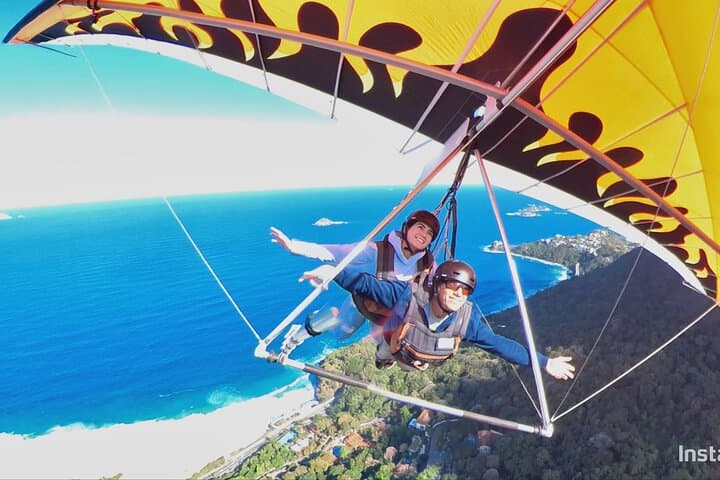
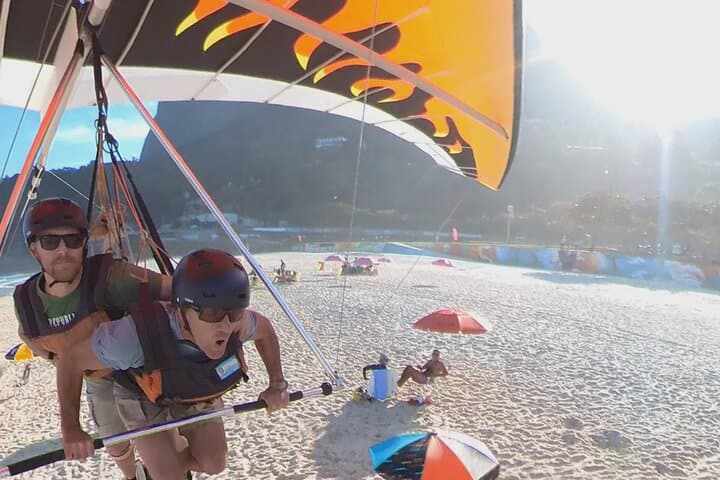
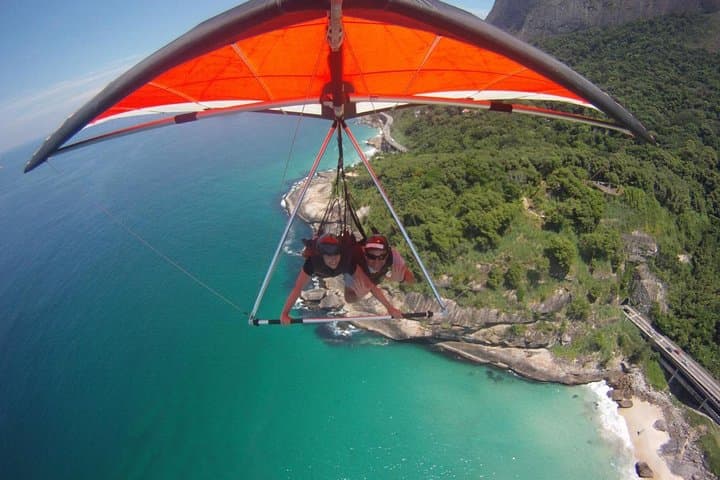
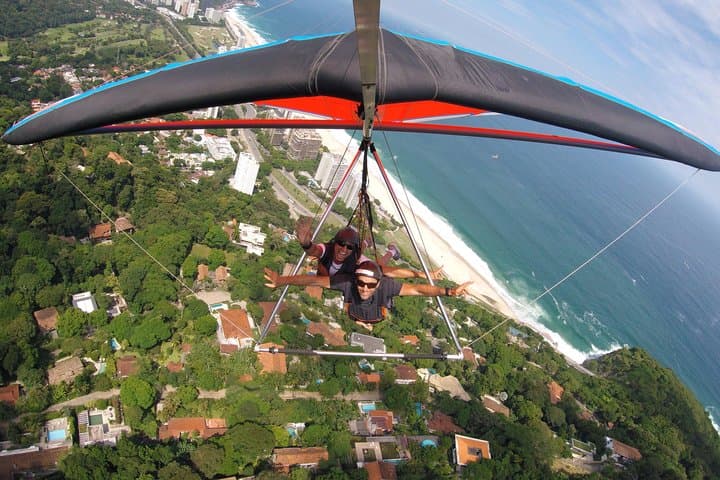
Standing on the grassy rim of Pedra Bonita, the Atlantic breeze tests your balance and then invites you forward; below, Tijuca Forest drops away in a green wall and São Conrado’s white sand narrows into the glittering Atlantic. A certified instructor clips you into the frame, runs a final check, and the hillside becomes runway — gravity and wind do the rest.
Standing on the grassy rim of Pedra Bonita, the Atlantic breeze tests your balance and then invites you forward; below, Tijuca Forest drops away in a green wall and São Conrado’s white sand narrows into the glittering Atlantic. A certified instructor clips you into the frame, runs a final check, and the hillside becomes runway — gravity and wind do the rest.
This is classic Rio air-sports territory. The launch sits on the western flank of Tijuca National Park, a 19th‑century reforestation project that restored a patch of the Atlantic Forest to protect the city’s watersheds. The basalt ridges here are remnants of old lava flows reshaped by coastal erosion; flying reveals sweeping urban geology — favela rooftops, Sugarloaf’s granite dome, and the Christ the Redeemer statue standing over the city.
Culturally, flights tie into Rio’s outdoor life: cariocas prize ocean views and the rush of wind. Locals often combine a morning flight with a walk through Vidigal or a late afternoon on São Conrado’s sand.
Practical guide: tandem flights last minutes in the air but expect two hours total with transfers and prep. Weight and age limits apply; bring comfortable closed shoes, a windbreaker, and a charged phone (camera transfers are possible after landing). Weather is the arbiter — wind direction and strength decide launch windows more than sun or cloud. Listen to the instructors; they read the air and the city, and their call keeps flights safe and scenic. For best light and calmer thermals, aim for early morning or late afternoon slots.