THE ADVENTURE COLLECTIVE® · Independent discovery and booking for outdoor travel

Launch from Pedra Bonita and fly above Tijuca National Park to land on São Conrado’s sands. This guided hang-gliding experience includes transfers, an instructor, gear, and a 15–20 minute flight over Rio’s coastline.
Launch from Pedra Bonita and fly above Tijuca National Park to land on São Conrado’s sands. This guided hang-gliding experience includes transfers, an instructor, gear, and a 15–20 minute flight over Rio’s coastline.
The cliff at Pedra Bonita holds its breath and then pushes you forward: a brief sprint, the instructor’s handshake, and the city falls away as the glider finds lift above the Tijuca slopes. Below, São Conrado’s white sand narrows to a ribbon and the Atlantic lays out a cool, moving mirror. Wind sculpts the flight; the instructor reads it like a conversation.
Verified experiences and guided adventures in the surrounding area.
Operated by Rio Carioca Tour Ltda · Rio de Janeiro, Rio de Janeiro
The cliff at Pedra Bonita holds its breath and then pushes you forward: a brief sprint, the instructor’s handshake, and the city falls away as the glider finds lift above the Tijuca slopes. Below, São Conrado’s white sand narrows to a ribbon and the Atlantic lays out a cool, moving mirror. Wind sculpts the flight; the instructor reads it like a conversation.
Pedra Bonita sits on the southern flank of Tijuca National Park, a reforested urban forest created in the 19th century to protect Rio’s watershed and now the city’s primary green lung. The ridge is volcanic-sedimentary in origin, steep enough to generate reliable ridge lift when coastal breezes arrive. Local culture around flying here blends carioca beach life with mountaineering and paragliding communities; landings on São Conrado tie the flight to iconic coastal neighborhoods and hang gliding lore.
Practical guidance: transfers from most Zona Sul hotels take ~45–75 minutes depending on traffic; expect ~30 minutes of briefing and gear prep and a 10–20 minute airborne time. Wear closed-toe shoes and layers—the takeoff can be cooler than the beach. Secure phones and jewelry; instructors photograph flights and offer photos for purchase. Health restrictions apply for heart or back problems and pregnancy; children under 18 need an accompanying adult. Choose early morning slots for steady winds and clearer air; afternoons can bring thermals and sudden gusts. Stay hydrated, listen closely to safety briefings, and plan transit time back into the city—Rio traffic can extend your return. This is a short, high-adrenaline way to see the city from a pilot’s-eye view, with professionals guiding every step.
moderate.
1.5–2.5 hours.
Moderate fitness for a short run at takeoff and to follow instructor directions; not strenuous but requires mobility and basic strength.
Typical flights are about 10–20 minutes airborne; total activity time including briefing and transfer is around 1.5–2.5 hours.
Operators commonly set upper and lower weight limits for safety—check during booking; children under 18 must be accompanied by an adult.
Flights are canceled for unsafe wind or rain; the operator will reschedule or refund if canceled due to weather—confirm the 24-hour cancellation policy.
Yes—certified instructors often take photos during the flight and offer them for purchase at the end of the activity.
Tijuca National Park was largely replanted in the 19th century to restore water sources after widespread deforestation; today it’s one of the largest urban forests in the world.
Stick to marked access points and avoid disturbing wildlife; minimize single-use plastics and follow instructor advice to limit erosion at popular launch and landing areas.
Rio Carioca Tour Ltda operates guided outdoor trips and adventures with an emphasis on safety, stewardship, and memorable experiences.
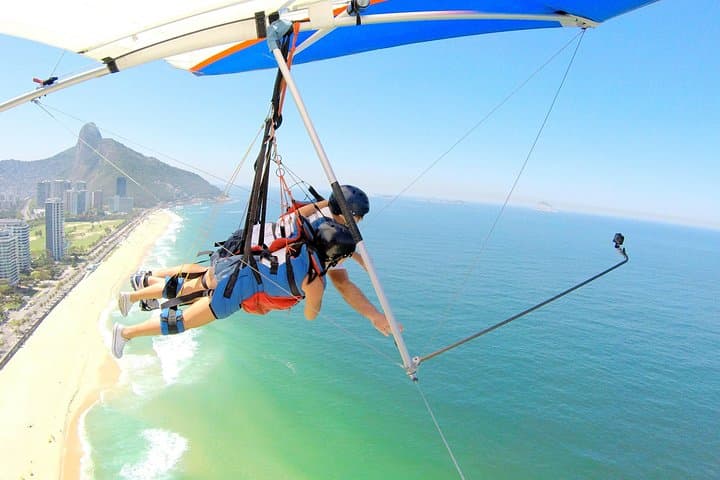
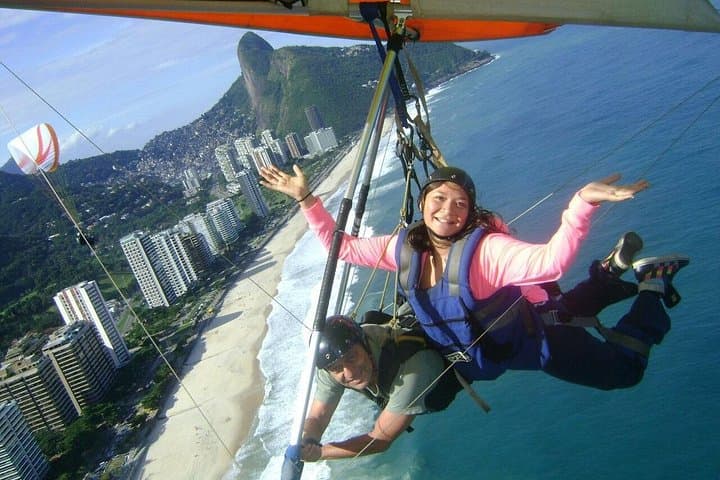
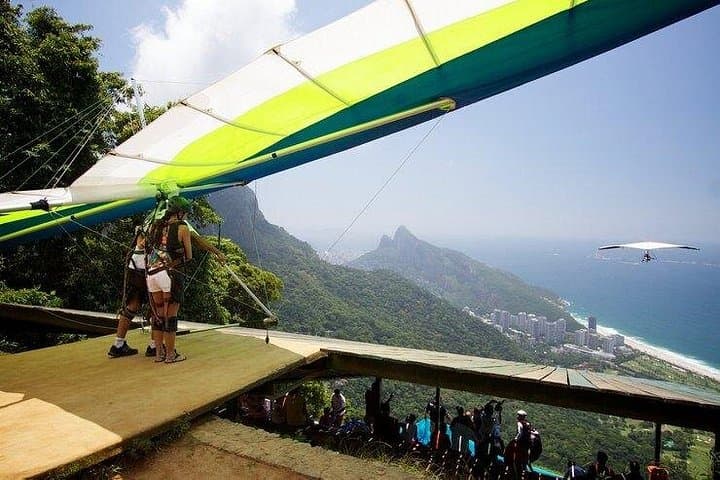
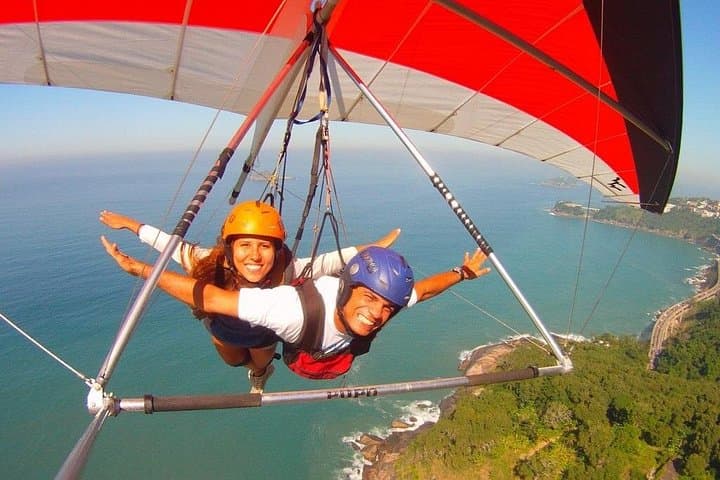
The cliff at Pedra Bonita holds its breath and then pushes you forward: a brief sprint, the instructor’s handshake, and the city falls away as the glider finds lift above the Tijuca slopes. Below, São Conrado’s white sand narrows to a ribbon and the Atlantic lays out a cool, moving mirror. Wind sculpts the flight; the instructor reads it like a conversation.
The cliff at Pedra Bonita holds its breath and then pushes you forward: a brief sprint, the instructor’s handshake, and the city falls away as the glider finds lift above the Tijuca slopes. Below, São Conrado’s white sand narrows to a ribbon and the Atlantic lays out a cool, moving mirror. Wind sculpts the flight; the instructor reads it like a conversation.
Pedra Bonita sits on the southern flank of Tijuca National Park, a reforested urban forest created in the 19th century to protect Rio’s watershed and now the city’s primary green lung. The ridge is volcanic-sedimentary in origin, steep enough to generate reliable ridge lift when coastal breezes arrive. Local culture around flying here blends carioca beach life with mountaineering and paragliding communities; landings on São Conrado tie the flight to iconic coastal neighborhoods and hang gliding lore.
Practical guidance: transfers from most Zona Sul hotels take ~45–75 minutes depending on traffic; expect ~30 minutes of briefing and gear prep and a 10–20 minute airborne time. Wear closed-toe shoes and layers—the takeoff can be cooler than the beach. Secure phones and jewelry; instructors photograph flights and offer photos for purchase. Health restrictions apply for heart or back problems and pregnancy; children under 18 need an accompanying adult. Choose early morning slots for steady winds and clearer air; afternoons can bring thermals and sudden gusts. Stay hydrated, listen closely to safety briefings, and plan transit time back into the city—Rio traffic can extend your return. This is a short, high-adrenaline way to see the city from a pilot’s-eye view, with professionals guiding every step.