THE ADVENTURE COLLECTIVE® · Independent discovery and booking for outdoor travel

Learn to turn garden-fresh Tuscan ingredients into classic comfort dishes in a 90-minute hands-on class on a working farm near San Gimignano. Harvest, cook, and sit down to eat what you prepare while learning practical techniques you can repeat at home.
Learn to turn garden-fresh Tuscan ingredients into classic comfort dishes in a 90-minute hands-on class on a working farm near San Gimignano. Harvest, cook, and sit down to eat what you prepare while learning practical techniques you can repeat at home.
You step through a low gate into a working Tuscan garden where rosemary and sage lean toward the lane as if to offer their scent for the pot.
Verified experiences and guided adventures in the surrounding area.
Operated by Fattoria Sant' Andrea · San Gimignano, Tuscany
You step through a low gate into a working Tuscan garden where rosemary and sage lean toward the lane as if to offer their scent for the pot.
The class begins on the terrace with the farm’s kitchen garden in view; the chef moves with practiced calm, showing how morning-picked tomatoes and just-cut basil become the backbone of simple Italian comfort food. The light here is honest — warm, not flattering — and it highlights the colors of seasonal vegetables you’ll learn to transform.
San Gimignano’s hilltop towers loom a short drive away, reminders of a medieval town shaped by trade and clay-rich soils. The surrounding landscape is Pliocene volcanic and sedimentary plains, which produce the mineral-rich vegetables and grapes that define local cuisine. Food culture here is rural and pragmatic: ingredients are local, techniques are handed down, and the focus is on texture and balance more than ornament.
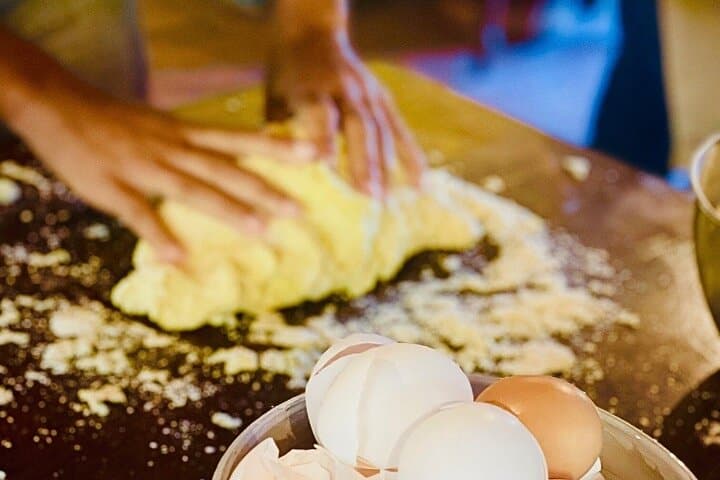
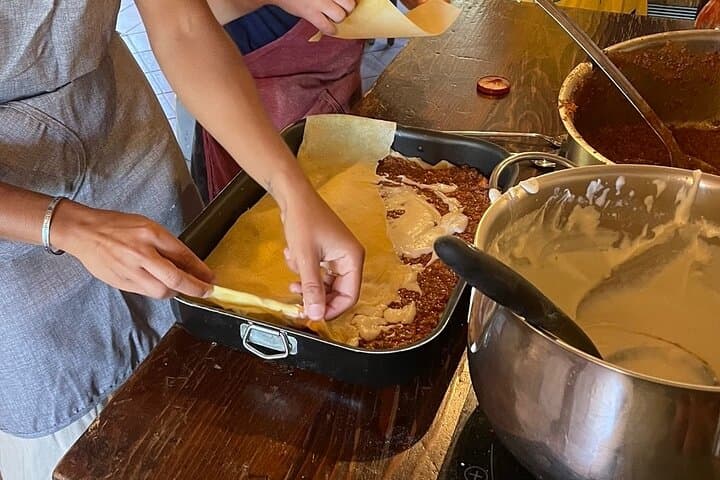
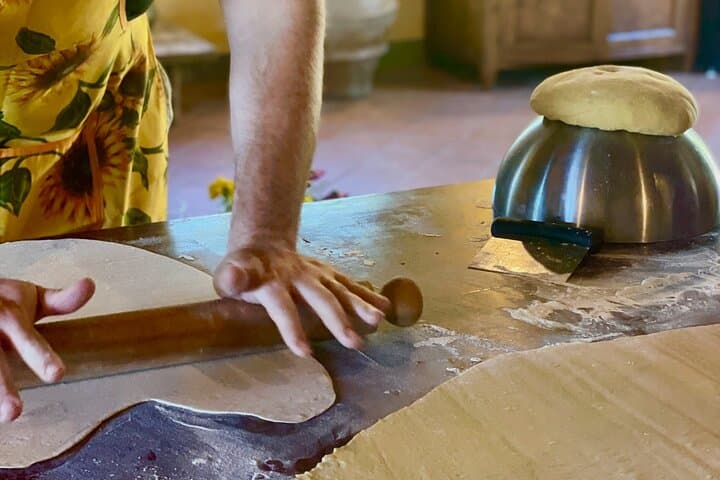
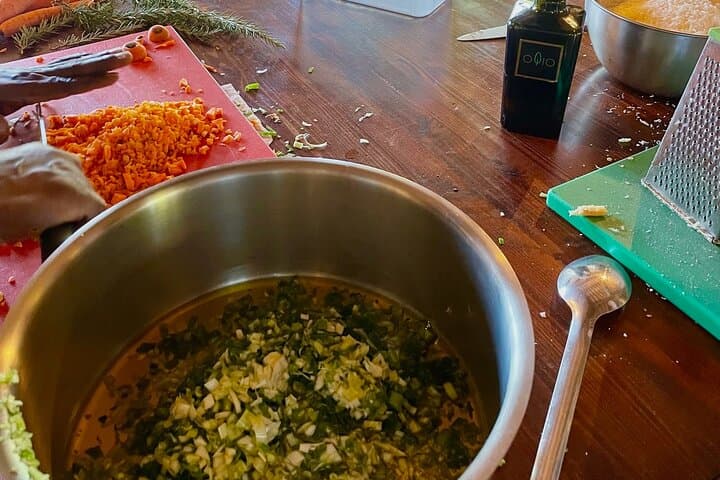
Practically, expect a focused 90-minute session: harvest from the garden, hands-on prep, and a sit-down tasting of what you’ve cooked. The class suits small groups, and the chef offers techniques for classic dishes like bruschetta, fresh pasta, and simple sauces. Take notes; the methods are repeatable at home.
Timing matters — mornings are cool and fragrant, afternoons can be hot. Wear comfortable shoes for farm paths, bring a sun layer, and leave space in your schedule to stroll nearby lanes after lunch. This is less a tourist spectacle and more a lesson in place, soil, and season — cooking that begins outdoors and ends at the table.
easy.
1–1.5 hours.
Light — mostly standing and light chopping/food prep; no special fitness required
The experience lasts about 90 minutes and includes garden harvesting, hands-on cooking, and a tasting of the dishes you prepare.
Yes — notify the operator at booking about allergies, vegetarian or other dietary needs so recipes can be adapted.
The farm indicates wheelchair accessibility, but some outdoor garden areas may have uneven ground — contact the host in advance for specifics.
The chef leads and demonstrates techniques while participants handle key tasks like chopping, mixing, and plating; it’s hands-on but guided.
San Gimignano grew wealthy in the Middle Ages as a stop on trade routes; the surrounding farmland has long supplied its markets with produce and wine.
The farm emphasizes seasonal, organic produce and low-impact practices; visitors are encouraged to respect planting beds and composting systems.
Fattoria Sant' Andrea operates guided outdoor trips and adventures with an emphasis on safety, stewardship, and memorable experiences.
You step through a low gate into a working Tuscan garden where rosemary and sage lean toward the lane as if to offer their scent for the pot.
You step through a low gate into a working Tuscan garden where rosemary and sage lean toward the lane as if to offer their scent for the pot.
The class begins on the terrace with the farm’s kitchen garden in view; the chef moves with practiced calm, showing how morning-picked tomatoes and just-cut basil become the backbone of simple Italian comfort food. The light here is honest — warm, not flattering — and it highlights the colors of seasonal vegetables you’ll learn to transform.
San Gimignano’s hilltop towers loom a short drive away, reminders of a medieval town shaped by trade and clay-rich soils. The surrounding landscape is Pliocene volcanic and sedimentary plains, which produce the mineral-rich vegetables and grapes that define local cuisine. Food culture here is rural and pragmatic: ingredients are local, techniques are handed down, and the focus is on texture and balance more than ornament.
Practically, expect a focused 90-minute session: harvest from the garden, hands-on prep, and a sit-down tasting of what you’ve cooked. The class suits small groups, and the chef offers techniques for classic dishes like bruschetta, fresh pasta, and simple sauces. Take notes; the methods are repeatable at home.
Timing matters — mornings are cool and fragrant, afternoons can be hot. Wear comfortable shoes for farm paths, bring a sun layer, and leave space in your schedule to stroll nearby lanes after lunch. This is less a tourist spectacle and more a lesson in place, soil, and season — cooking that begins outdoors and ends at the table.