THE ADVENTURE COLLECTIVE® · Independent discovery and booking for outdoor travel

Get hands-on with Guanacaste’s kitchen traditions in Tamarindo: learn tortillas, chorreadas, and wood-fire techniques from a local chef, then share the meal you helped prepare. Perfect for food lovers seeking a cultural and practical cooking experience.
Get hands-on with Guanacaste’s kitchen traditions in Tamarindo: learn tortillas, chorreadas, and wood-fire techniques from a local chef, then share the meal you helped prepare. Perfect for food lovers seeking a cultural and practical cooking experience.
The classroom is a sun-warmed kitchen a short walk from Tamarindo’s shoreline: a wooden table dusted with masa, a pilón waiting like an old friend, and the smell of garlic and pilón-fired oil that dares you to take a bite.
Verified experiences and guided adventures in the surrounding area.
Operated by DaviannaXperience · Tamarindo, Guanacaste
The classroom is a sun-warmed kitchen a short walk from Tamarindo’s shoreline: a wooden table dusted with masa, a pilón waiting like an old friend, and the smell of garlic and pilón-fired oil that dares you to take a bite.
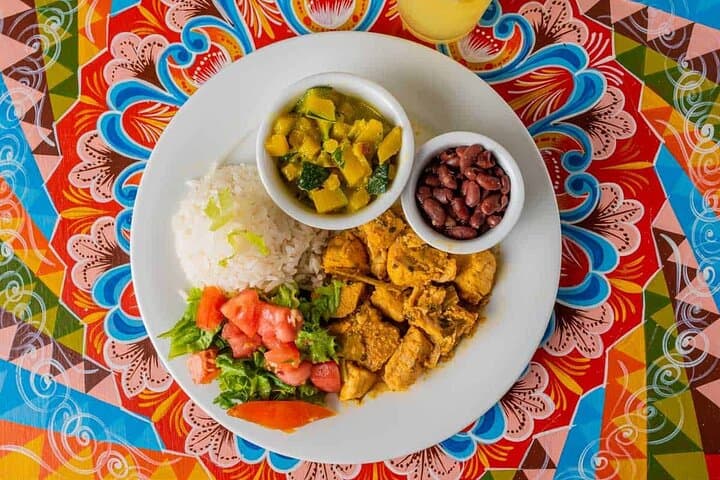
In this hands-on session, a local Tamarindo chef guides small groups through regional staples — tortillas, chorreadas, patacones fritos, Olla de Carne, and arroz de maíz — using seasonal produce sourced from nearby markets. The class spotlights techniques that have shaped Guanacaste cuisine for generations, from wood-fire timing to using the pilón for texture and rhythm.
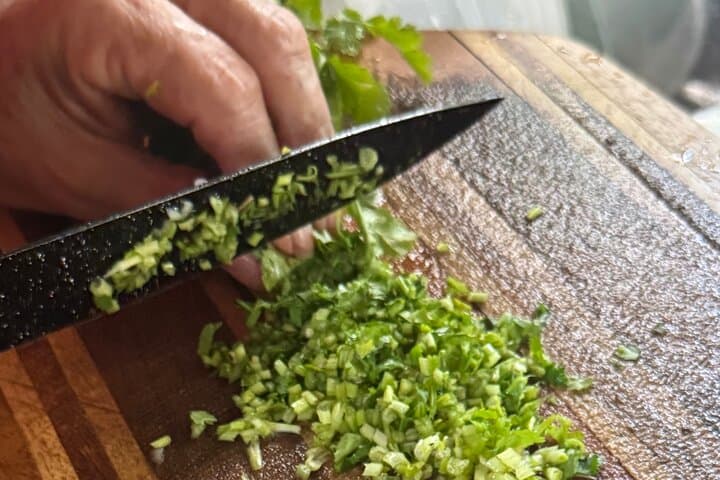
Guanacaste’s culinary identity is rooted in indigenous Chorotega methods and the practical frugality of Nicoya, one of the world’s Blue Zones, where simple, plant-forward food and communal meals support longevity. Participants leave with printed recipes, practical knife and masa techniques, and an understanding of local ingredients like tapa dulce and native corn.
Practical guidance: plan for roughly 2.5–3 hours of standing work and tasting; classes typically include a shared meal at the end. Wear closed-toe shoes and non-restrictive clothing; bring a small notebook if you want to jot down tips. Let the host know about dietary restrictions ahead of time — the chef can recommend vegetarian or allergy-friendly substitutions if notified.
This experience is culinary and cultural rather than athletic: it rewards curiosity, appetite, and a willingness to get hands-on. For travelers who want an inside look at Guanacaste foodways, it’s a compact, informative, and flavorful introduction.
easy.
2–3 hours.
Light physical activity: standing, light chopping and stirring; suitable for most fitness levels
Yes — most hosts can adapt recipes for vegetarian, gluten-free, or common allergies if informed at booking.
Most classes are taught in Spanish with English translation available; confirm language when booking if you need English-only instruction.
The listing notes wheelchair accessibility; contact the operator ahead of time to confirm specific access needs.
Full refunds are typically available if you cancel at least 24 hours before the scheduled start; check your booking confirmation for exact terms.
Guanacaste cuisine blends indigenous Chorotega techniques with Spanish and Afro-Caribbean influences; Nicoya’s Blue Zone traditions favor plant-forward meals and communal eating.
Operators often source seasonal, organic produce from nearby markets and emphasize minimizing food waste — ask about sourcing practices to support local producers.
DaviannaXperience operates guided outdoor trips and adventures with an emphasis on safety, stewardship, and memorable experiences.
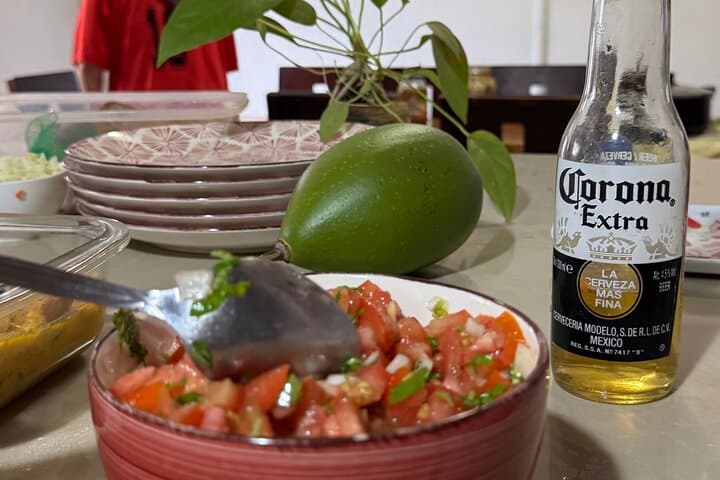
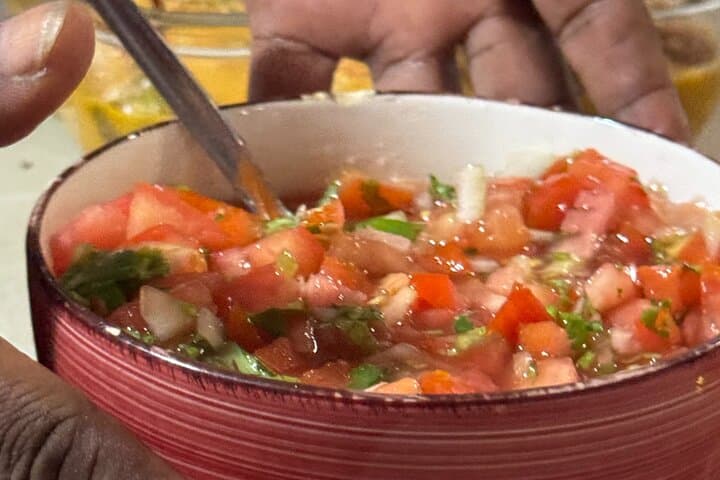
The classroom is a sun-warmed kitchen a short walk from Tamarindo’s shoreline: a wooden table dusted with masa, a pilón waiting like an old friend, and the smell of garlic and pilón-fired oil that dares you to take a bite.
The classroom is a sun-warmed kitchen a short walk from Tamarindo’s shoreline: a wooden table dusted with masa, a pilón waiting like an old friend, and the smell of garlic and pilón-fired oil that dares you to take a bite.
In this hands-on session, a local Tamarindo chef guides small groups through regional staples — tortillas, chorreadas, patacones fritos, Olla de Carne, and arroz de maíz — using seasonal produce sourced from nearby markets. The class spotlights techniques that have shaped Guanacaste cuisine for generations, from wood-fire timing to using the pilón for texture and rhythm.
Guanacaste’s culinary identity is rooted in indigenous Chorotega methods and the practical frugality of Nicoya, one of the world’s Blue Zones, where simple, plant-forward food and communal meals support longevity. Participants leave with printed recipes, practical knife and masa techniques, and an understanding of local ingredients like tapa dulce and native corn.
Practical guidance: plan for roughly 2.5–3 hours of standing work and tasting; classes typically include a shared meal at the end. Wear closed-toe shoes and non-restrictive clothing; bring a small notebook if you want to jot down tips. Let the host know about dietary restrictions ahead of time — the chef can recommend vegetarian or allergy-friendly substitutions if notified.
This experience is culinary and cultural rather than athletic: it rewards curiosity, appetite, and a willingness to get hands-on. For travelers who want an inside look at Guanacaste foodways, it’s a compact, informative, and flavorful introduction.