THE ADVENTURE COLLECTIVE® · Independent discovery and booking for outdoor travel

Spend a day learning banana-fiber rope making and mud-brick construction with Rwandan artisans. This hands-on workshop blends practical skills with cultural exchange in the rolling hills near Muhanga.
Spend a day learning banana-fiber rope making and mud-brick construction with Rwandan artisans. This hands-on workshop blends practical skills with cultural exchange in the rolling hills near Muhanga.
Dawn breaks over terraced hills as participants meet at the village compound, the air threaded with banana leaves and the low bleat of goats. The day begins with a welcome from artisans whose hands still use techniques practiced long before modern tools arrived: rope spun from banana fiber, bricks pressed from red volcanic clay, and thatch and post frames raised by eye and experience.
Verified experiences and guided adventures in the surrounding area.
Operated by Azizi Life · Muhanga, Southern Province
Dawn breaks over terraced hills as participants meet at the village compound, the air threaded with banana leaves and the low bleat of goats. The day begins with a welcome from artisans whose hands still use techniques practiced long before modern tools arrived: rope spun from banana fiber, bricks pressed from red volcanic clay, and thatch and post frames raised by eye and experience.
Rwanda’s Southern Province sits on volcanic soils that make clay bricks practical and durable; the construction methods reflect centuries of rural life and the social role of shared labor. Guests spend the morning fetching water, preparing staple ingredients, and learning to twist banana fiber into rope. After a lunch of cassava and beans, the group applies those skills—building a shade for domestic animals or repairing a fence—working alongside hosts who explain cultural practices and household rhythms.
Expect hands-on instruction, modest physical work, and an emphasis on respectful interaction: artisans invite curiosity and exchange. This is not a heavy-construction site but a living cultural workshop—good footwear, sun protection, and a readiness to kneel in clay will make the day smoother.
Practical details: allow 5–8 hours, bring cash for crafts, and plan transport from Muhanga (Gitarama). The visit supports local livelihoods and preserves traditional techniques; leave no waste and ask before photographing private family spaces. For travelers who want an immersive cultural exchange with tangible skills to take home, this workshop is both instructive and grounding.
moderate.
5–8 hours.
Moderate level of fitness—able to carry small loads, kneel, and spend several hours on feet
Moderate—activities include carrying small amounts of water, kneeling to mix clay, and standing for instruction; travelers should be comfortable with light manual tasks.
Transport from Muhanga (Gitarama) to the village is included as stated in the itinerary.
Yes—lunch with typical Rwandan dishes (e.g., cassava and beans) and bottled water are provided.
Infants and small children can attend in strollers; check age policies and ensure children are supervised during hands-on activities.
Rwandan rural construction relies on volcanic clay and banana fiber techniques used for generations; communal building was historically a social exchange tied to family and village cohesion.
The workshop emphasizes local materials and skills that reduce reliance on imported goods; visitors should avoid introducing plastics and support artisans by buying ethically and tipping fairly.
Azizi Life operates guided outdoor trips and adventures with an emphasis on safety, stewardship, and memorable experiences.
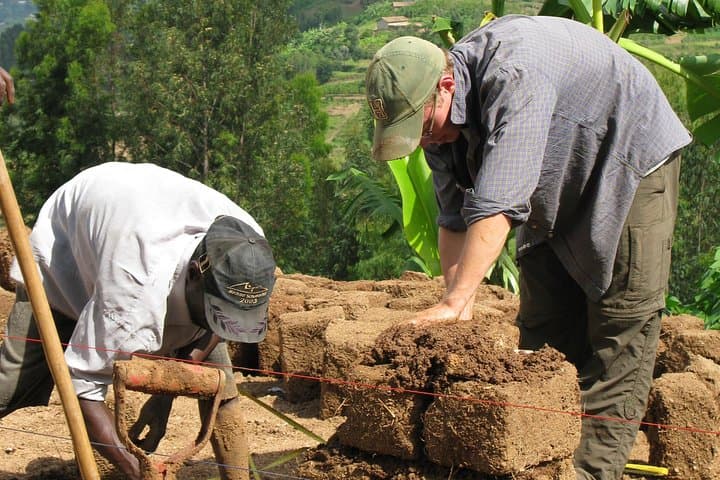
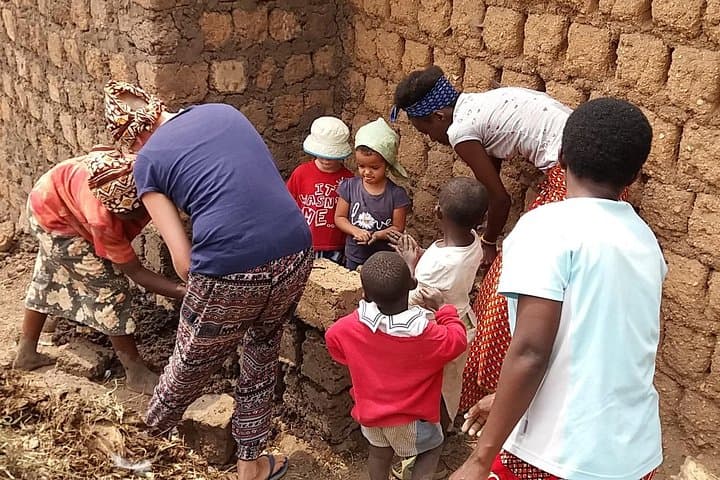
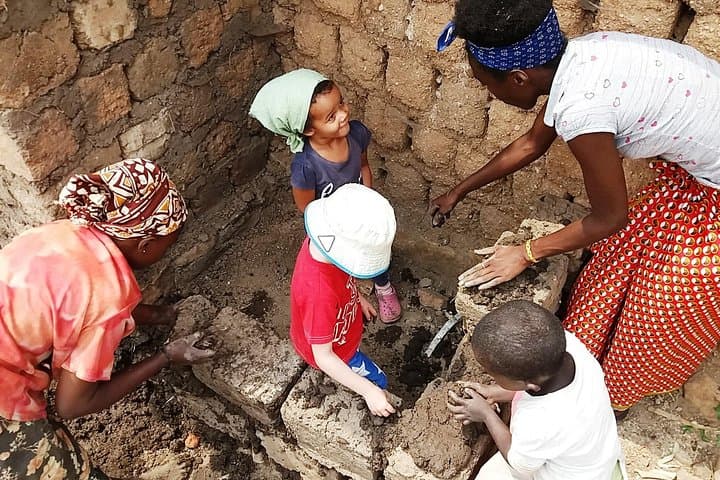
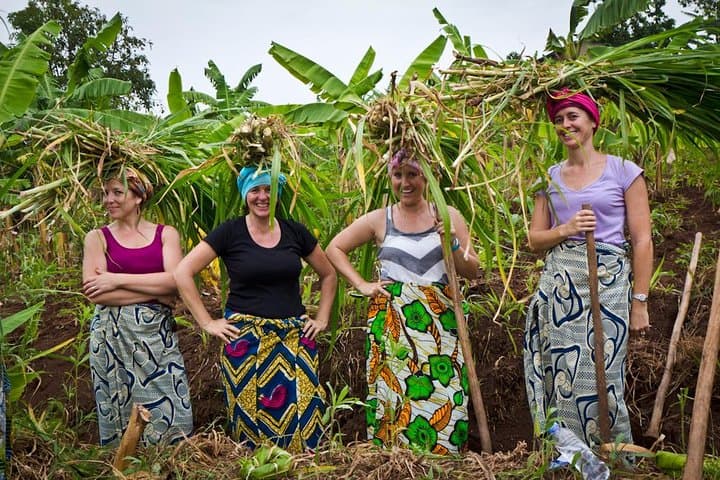
Dawn breaks over terraced hills as participants meet at the village compound, the air threaded with banana leaves and the low bleat of goats. The day begins with a welcome from artisans whose hands still use techniques practiced long before modern tools arrived: rope spun from banana fiber, bricks pressed from red volcanic clay, and thatch and post frames raised by eye and experience.
Dawn breaks over terraced hills as participants meet at the village compound, the air threaded with banana leaves and the low bleat of goats. The day begins with a welcome from artisans whose hands still use techniques practiced long before modern tools arrived: rope spun from banana fiber, bricks pressed from red volcanic clay, and thatch and post frames raised by eye and experience.
Rwanda’s Southern Province sits on volcanic soils that make clay bricks practical and durable; the construction methods reflect centuries of rural life and the social role of shared labor. Guests spend the morning fetching water, preparing staple ingredients, and learning to twist banana fiber into rope. After a lunch of cassava and beans, the group applies those skills—building a shade for domestic animals or repairing a fence—working alongside hosts who explain cultural practices and household rhythms.
Expect hands-on instruction, modest physical work, and an emphasis on respectful interaction: artisans invite curiosity and exchange. This is not a heavy-construction site but a living cultural workshop—good footwear, sun protection, and a readiness to kneel in clay will make the day smoother.
Practical details: allow 5–8 hours, bring cash for crafts, and plan transport from Muhanga (Gitarama). The visit supports local livelihoods and preserves traditional techniques; leave no waste and ask before photographing private family spaces. For travelers who want an immersive cultural exchange with tangible skills to take home, this workshop is both instructive and grounding.