THE ADVENTURE COLLECTIVE® · Independent discovery and booking for outdoor travel

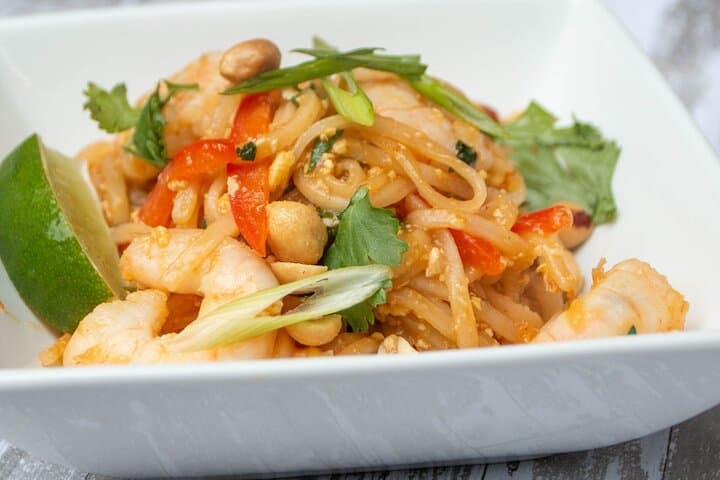
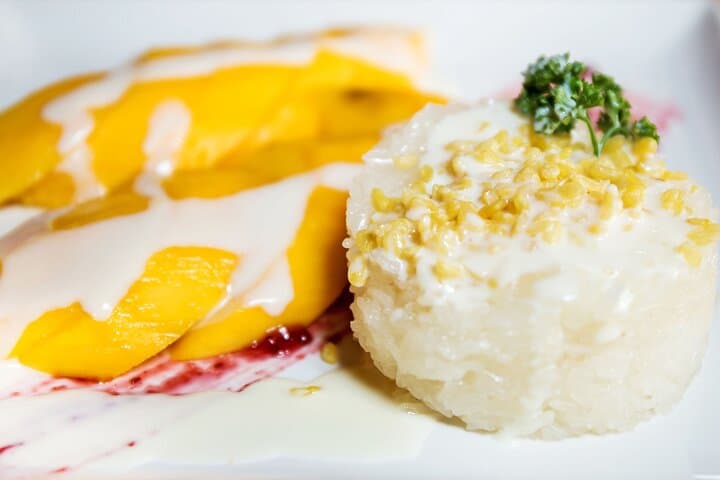
Learn authentic Thai techniques in a hands-on 2.5-hour class in southeastern Sacramento. Prepare green papaya salad, green curry, pad Thai and mango sticky rice with expert guidance and local ingredient tips.
Learn authentic Thai techniques in a hands-on 2.5-hour class in southeastern Sacramento. Prepare green papaya salad, green curry, pad Thai and mango sticky rice with expert guidance and local ingredient tips.
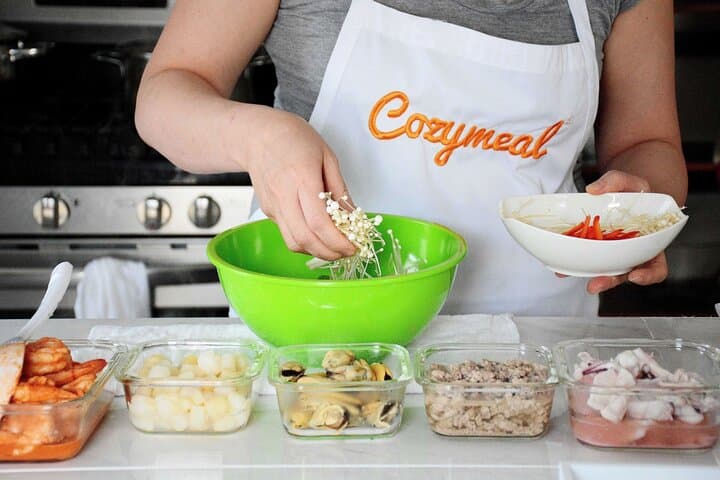
The kitchen hums before the lesson begins: a low simmer, the slap of noodles being rinsed, the bright green flash of chopped Thai basil. In a compact studio in southeastern Sacramento, an intimate class of eight moves around a central counter, passing mortar and pestle and small jars of galangal, lemongrass and tamarind. You’ll smell coconut milk and hear instructions about balancing sweet, sour, salty and spicy while assembling a four-course menu from green papaya salad to mango sticky rice.
Verified experiences and guided adventures in the surrounding area.
Operated by Cozymeal Cooking Classes · Sacramento, California
The kitchen hums before the lesson begins: a low simmer, the slap of noodles being rinsed, the bright green flash of chopped Thai basil. In a compact studio in southeastern Sacramento, an intimate class of eight moves around a central counter, passing mortar and pestle and small jars of galangal, lemongrass and tamarind. You’ll smell coconut milk and hear instructions about balancing sweet, sour, salty and spicy while assembling a four-course menu from green papaya salad to mango sticky rice.
Sacramento’s food scene draws on the region’s immigrant communities and river-city trade routes; Southeast Sacramento in particular has become a practical hub for Southeast Asian ingredients thanks to neighborhood markets along Stockton Boulevard and nearby grocers. The techniques taught here—pounding curry paste, tempering fish sauce, timing rice—reflect generations of everyday cooking rather than haute cuisine.
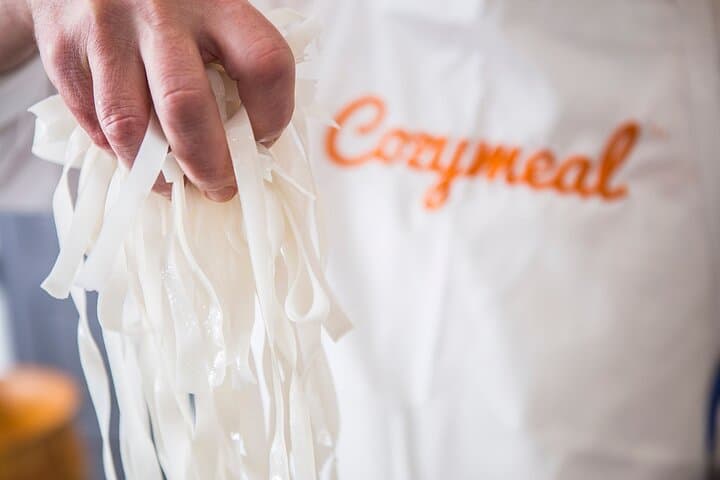
Expect hands-on stations, clear step-by-step demos, and time to eat what you prepare. The class runs about 2.5 hours, wheelchair accessible, and welcomes dietary requests if noted in advance. The instructor will cover ingredient swaps, storage tips for fresh herbs, and how to replicate textures like chewy pad Thai noodles or the silky coconut sauce for green curry.
Practical tips: arrive on time to review substitutions, bring a small container if you want leftovers, and wear closed-toe shoes for safety in a busy kitchen. Book early—groups are capped at eight—and consider pairing the class with a visit to a local Asian market afterward to source fresh galangal and palm sugar for practice at home.
easy.
2–3 hours.
Light: comfortable standing and performing simple chopping and stirring for about 2.5 hours.
Yes—hosts request dietary needs in advance and will adapt recipes where possible; note that cross-contact may occur in a shared kitchen.
Most southeastern Sacramento venues offer street parking or nearby lots; check the confirmation message for exact directions and transit options.
Yes—attendees are welcome to bring wine or beer to enjoy during the experience, but check the host’s policy at booking for limits.
Yes—most classes provide recipe handouts or digital copies so you can recreate the dishes at home.
Sacramento grew as a Gold Rush transit hub and later attracted diverse immigrant communities; Thai and Southeast Asian food scenes expanded with small markets and family-run restaurants in the city’s southeast neighborhoods.
Choose sustainably sourced seafood and minimize food waste by taking leftovers home; hosts often encourage composting scraps and using local produce when possible.
Cozymeal Cooking Classes operates guided outdoor trips and adventures with an emphasis on safety, stewardship, and memorable experiences.
The kitchen hums before the lesson begins: a low simmer, the slap of noodles being rinsed, the bright green flash of chopped Thai basil. In a compact studio in southeastern Sacramento, an intimate class of eight moves around a central counter, passing mortar and pestle and small jars of galangal, lemongrass and tamarind. You’ll smell coconut milk and hear instructions about balancing sweet, sour, salty and spicy while assembling a four-course menu from green papaya salad to mango sticky rice.
The kitchen hums before the lesson begins: a low simmer, the slap of noodles being rinsed, the bright green flash of chopped Thai basil. In a compact studio in southeastern Sacramento, an intimate class of eight moves around a central counter, passing mortar and pestle and small jars of galangal, lemongrass and tamarind. You’ll smell coconut milk and hear instructions about balancing sweet, sour, salty and spicy while assembling a four-course menu from green papaya salad to mango sticky rice.
Sacramento’s food scene draws on the region’s immigrant communities and river-city trade routes; Southeast Sacramento in particular has become a practical hub for Southeast Asian ingredients thanks to neighborhood markets along Stockton Boulevard and nearby grocers. The techniques taught here—pounding curry paste, tempering fish sauce, timing rice—reflect generations of everyday cooking rather than haute cuisine.
Expect hands-on stations, clear step-by-step demos, and time to eat what you prepare. The class runs about 2.5 hours, wheelchair accessible, and welcomes dietary requests if noted in advance. The instructor will cover ingredient swaps, storage tips for fresh herbs, and how to replicate textures like chewy pad Thai noodles or the silky coconut sauce for green curry.
Practical tips: arrive on time to review substitutions, bring a small container if you want leftovers, and wear closed-toe shoes for safety in a busy kitchen. Book early—groups are capped at eight—and consider pairing the class with a visit to a local Asian market afterward to source fresh galangal and palm sugar for practice at home.