THE ADVENTURE COLLECTIVE® · Independent discovery and booking for outdoor travel

Learn fundamental sushi techniques—rice seasoning, hand-pressed nigiri, and roll construction—during a three-hour, hands-on class in NYC. Practical, accessible, and focused on provenance, this workshop teaches skills you can use in your kitchen.
Learn fundamental sushi techniques—rice seasoning, hand-pressed nigiri, and roll construction—during a three-hour, hands-on class in NYC. Practical, accessible, and focused on provenance, this workshop teaches skills you can use in your kitchen.
Step into a compact, humming kitchen in New York City where the clack of knives and the soft whisper of rice vinegar set the pace. Light from a street-level window hits a row of prep stations; an experienced chef demonstrates rice texture, then passes a bamboo mat to your hands. You’ll feel the rhythm of rolling—the gentle pressure, the slice that reveals neat layers—and then sit to taste the pieces you made.
Verified experiences and guided adventures in the surrounding area.
Operated by Selfup · New York, NY
Step into a compact, humming kitchen in New York City where the clack of knives and the soft whisper of rice vinegar set the pace. Light from a street-level window hits a row of prep stations; an experienced chef demonstrates rice texture, then passes a bamboo mat to your hands. You’ll feel the rhythm of rolling—the gentle pressure, the slice that reveals neat layers—and then sit to taste the pieces you made.
Sushi’s roots stretch from coastal Japan to modern New York tables. In the city, the story runs from the old Fulton Fish Market—now relocated to Hunts Point—to the sushi bars that introduced Americans to nigiri and omakase. The workshop connects technique to provenance: how Atlantic and Pacific fisheries supply local kitchens and why species selection matters.
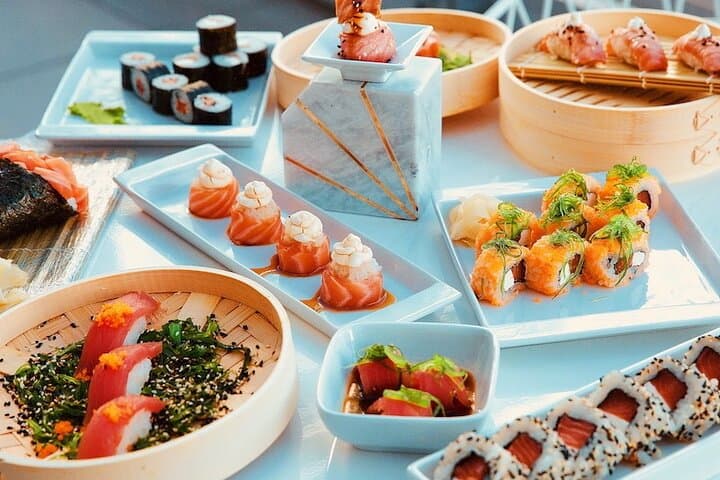
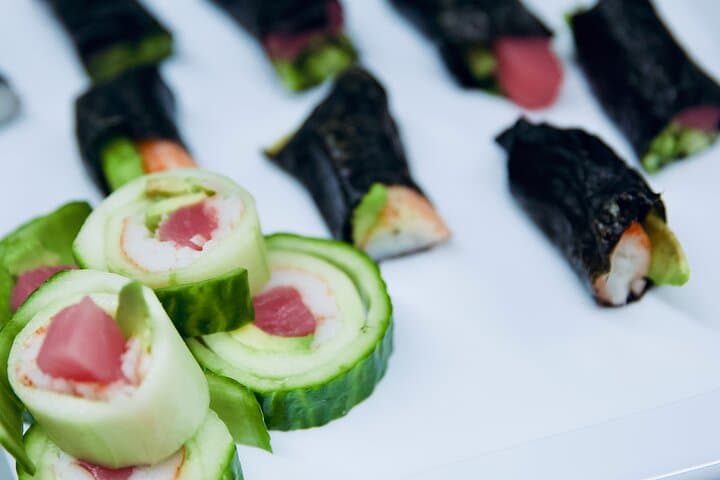
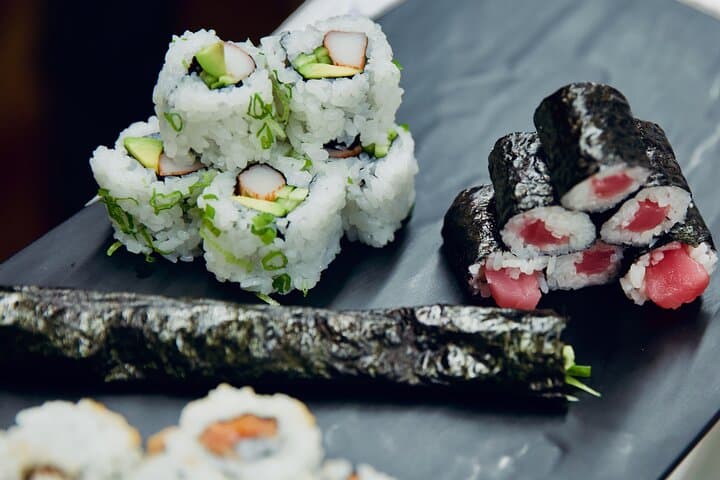
Expect three hours of hands-on instruction: rice seasoning, basic knife work, maki rolls, and simple nigiri. The chef covers etiquette, chopstick use, and plating. Classes are practical, built for home cooks who want repeatable skills rather than restaurant-level speed. Public transit and nearby subway lines make the studio easy to reach; the space is wheelchair accessible.
Practical tips: declare allergies ahead of time, pace yourself with sake or soda included, and wear closed-toe shoes for kitchen safety. Bring a small container if you hope to take leftovers. Whether you come for technique or the joy of crafting food with your hands, this workshop turns raw ingredients into clear, teachable skills and a satisfying meal you made yourself.
easy.
2–3 hours.
Minimal physical exertion; standing for portions of the class and light manual dexterity needed
Yes—classes are designed for home cooks with no prior sushi experience; instructors teach step-by-step techniques.
Yes—ingredients for the multi-course sushi lesson and soda or a beverage are provided as part of the experience.
Yes—the operator requests you note allergies or restrictions at booking so they can adjust ingredients where possible.
Yes—the listing specifies wheelchair-accessible spaces and transport options; contact the operator for specific accessibility needs.
Sushi evolved from preservation techniques along Japan’s coasts; New York’s modern sushi scene traces back to markets like Fulton Fish Market and post-war cultural exchange that brought sushi bars to the city.
Ask about fish sourcing during class—many chefs prefer sustainable species and avoid overfished stocks such as Atlantic bluefin; encouraging traceable seafood reduces pressure on vulnerable populations.
Selfup operates guided outdoor trips and adventures with an emphasis on safety, stewardship, and memorable experiences.
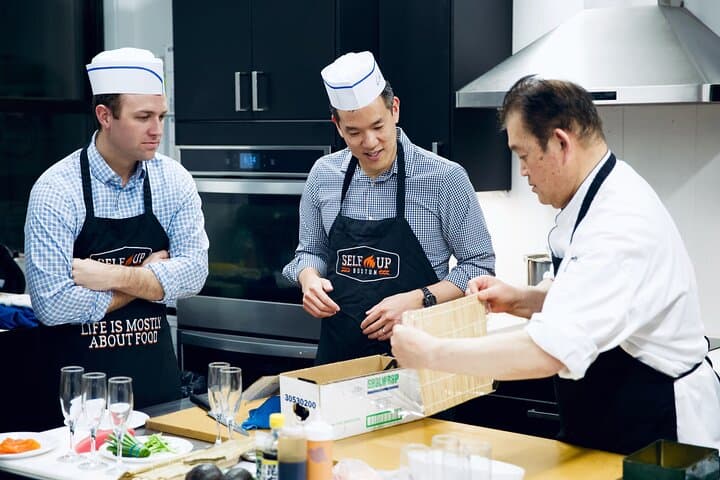
Step into a compact, humming kitchen in New York City where the clack of knives and the soft whisper of rice vinegar set the pace. Light from a street-level window hits a row of prep stations; an experienced chef demonstrates rice texture, then passes a bamboo mat to your hands. You’ll feel the rhythm of rolling—the gentle pressure, the slice that reveals neat layers—and then sit to taste the pieces you made.
Step into a compact, humming kitchen in New York City where the clack of knives and the soft whisper of rice vinegar set the pace. Light from a street-level window hits a row of prep stations; an experienced chef demonstrates rice texture, then passes a bamboo mat to your hands. You’ll feel the rhythm of rolling—the gentle pressure, the slice that reveals neat layers—and then sit to taste the pieces you made.
Sushi’s roots stretch from coastal Japan to modern New York tables. In the city, the story runs from the old Fulton Fish Market—now relocated to Hunts Point—to the sushi bars that introduced Americans to nigiri and omakase. The workshop connects technique to provenance: how Atlantic and Pacific fisheries supply local kitchens and why species selection matters.
Expect three hours of hands-on instruction: rice seasoning, basic knife work, maki rolls, and simple nigiri. The chef covers etiquette, chopstick use, and plating. Classes are practical, built for home cooks who want repeatable skills rather than restaurant-level speed. Public transit and nearby subway lines make the studio easy to reach; the space is wheelchair accessible.
Practical tips: declare allergies ahead of time, pace yourself with sake or soda included, and wear closed-toe shoes for kitchen safety. Bring a small container if you hope to take leftovers. Whether you come for technique or the joy of crafting food with your hands, this workshop turns raw ingredients into clear, teachable skills and a satisfying meal you made yourself.