THE ADVENTURE COLLECTIVE® · Independent discovery and booking for outdoor travel

Turn a converted brewery into your sushi classroom: learn rice, rolling and three classic rolls with a local Pittsburgh chef. This two-hour hands-on session pairs technique-focused instruction with a communal tasting.
Turn a converted brewery into your sushi classroom: learn rice, rolling and three classic rolls with a local Pittsburgh chef. This two-hour hands-on session pairs technique-focused instruction with a communal tasting.
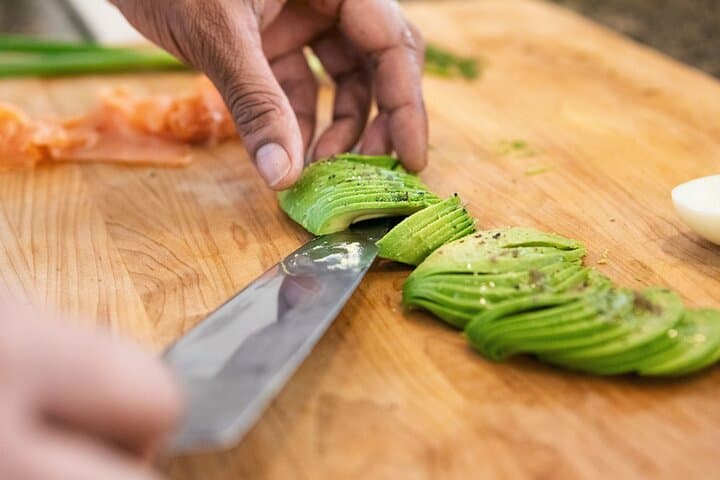
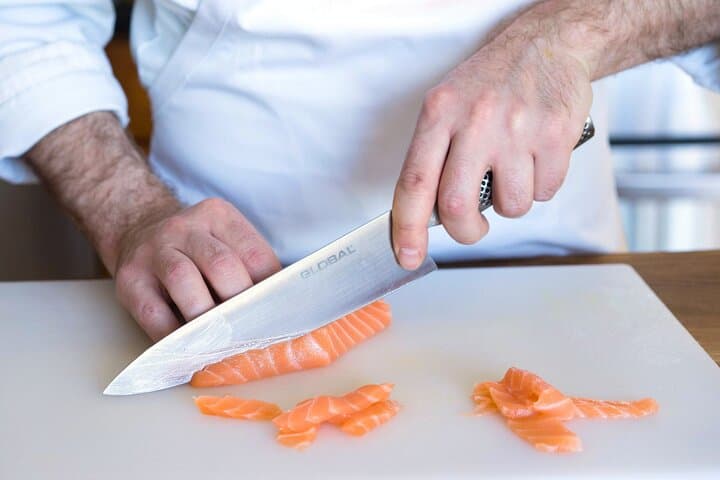
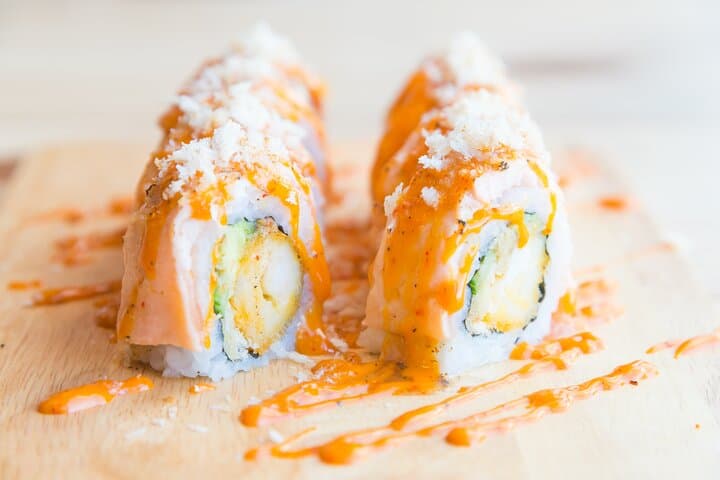
The fluorescent lights of a converted brewery throw a clean glare across stainless tables as a small group gathers around a local chef and a row of bamboo mats. Rice steam rises in thin clouds; the first clack of a knife on a board sets a measured pace. In two hours, students move from curious onlookers to confident rollers, shaping Philadelphia, California and cucumber rolls with practiced, repeatable motions.
Verified experiences and guided adventures in the surrounding area.
Operated by Classpop! · Pittsburgh, Pennsylvania
The fluorescent lights of a converted brewery throw a clean glare across stainless tables as a small group gathers around a local chef and a row of bamboo mats. Rice steam rises in thin clouds; the first clack of a knife on a board sets a measured pace. In two hours, students move from curious onlookers to confident rollers, shaping Philadelphia, California and cucumber rolls with practiced, repeatable motions.
Pittsburgh’s food scene evolved from steel-town practicality to creative reuse — warehouses became breweries and tasting rooms where hands-on classes now thrive. The region’s immigrant histories and a present-day craft-drink culture make pop-up culinary instruction common in reclaimed industrial spaces. Geologically, the city’s three-river confluence shaped its neighborhoods and commerce; culturally, that same grit shows up in straightforward lessons where technique trumps flair.
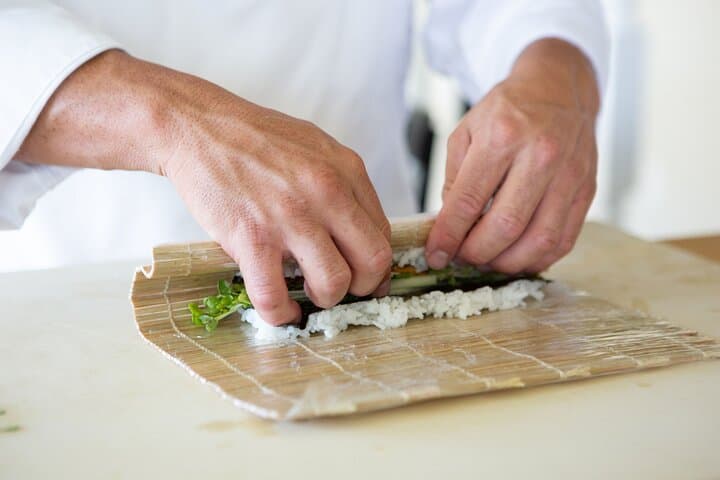
Expect a practical session: step-by-step demos, rice seasoning ratios, nori orientation and the thumb-firm grip for a tight roll. All ingredients and tools are provided; the venue is typically a public craft-beer or wine bar that pairs the social element with instruction. Wheelchair access and dietary accommodations are available with notice.
Plan to arrive 10 minutes early, tell the chef about allergies, and bring an appetite for both learning and tasting. Closed-toe shoes and simple layers keep you comfortable standing for the session. Photography is welcome, but let the chef lead slicing demonstrations. By the end you’ll take home skills — measured rice, practiced wrist motion and confidence — that make sushi a replicable at-home project rather than a mystery.
easy.
2 hours.
Minimal fitness required; participants should be able to stand for about 90–120 minutes.
No—this class is beginner-friendly and designed to teach foundational skills from rice seasoning to rolling.
Yes; all ingredients and tools are provided and the host can accommodate dietary needs if notified in advance.
According to the listing, the venue and transportation options are wheelchair accessible; contact the operator with specific accessibility questions.
Yes—participants typically eat what they make and may take leftovers if you bring a container or the host offers to box extras.
Pittsburgh’s industrial past drove adaptive reuse of warehouses into breweries and food venues; that repurposing created the social kitchens where hands-on classes are common.
Many local food businesses prioritize sourcing from regional farms and minimizing waste; bring a reusable container and follow venue recycling practices to reduce impact.
Classpop! operates guided outdoor trips and adventures with an emphasis on safety, stewardship, and memorable experiences.
The fluorescent lights of a converted brewery throw a clean glare across stainless tables as a small group gathers around a local chef and a row of bamboo mats. Rice steam rises in thin clouds; the first clack of a knife on a board sets a measured pace. In two hours, students move from curious onlookers to confident rollers, shaping Philadelphia, California and cucumber rolls with practiced, repeatable motions.
The fluorescent lights of a converted brewery throw a clean glare across stainless tables as a small group gathers around a local chef and a row of bamboo mats. Rice steam rises in thin clouds; the first clack of a knife on a board sets a measured pace. In two hours, students move from curious onlookers to confident rollers, shaping Philadelphia, California and cucumber rolls with practiced, repeatable motions.
Pittsburgh’s food scene evolved from steel-town practicality to creative reuse — warehouses became breweries and tasting rooms where hands-on classes now thrive. The region’s immigrant histories and a present-day craft-drink culture make pop-up culinary instruction common in reclaimed industrial spaces. Geologically, the city’s three-river confluence shaped its neighborhoods and commerce; culturally, that same grit shows up in straightforward lessons where technique trumps flair.
Expect a practical session: step-by-step demos, rice seasoning ratios, nori orientation and the thumb-firm grip for a tight roll. All ingredients and tools are provided; the venue is typically a public craft-beer or wine bar that pairs the social element with instruction. Wheelchair access and dietary accommodations are available with notice.
Plan to arrive 10 minutes early, tell the chef about allergies, and bring an appetite for both learning and tasting. Closed-toe shoes and simple layers keep you comfortable standing for the session. Photography is welcome, but let the chef lead slicing demonstrations. By the end you’ll take home skills — measured rice, practiced wrist motion and confidence — that make sushi a replicable at-home project rather than a mystery.