THE ADVENTURE COLLECTIVE® · Independent discovery and booking for outdoor travel

Learn to roll two full sushi rolls in a lively, two-hour hands-on workshop led by a local chef in Raleigh. Perfect for beginners and foodies, the class combines technique, tasting, and practical tips on sourcing and recreating flavors at home.
Learn to roll two full sushi rolls in a lively, two-hour hands-on workshop led by a local chef in Raleigh. Perfect for beginners and foodies, the class combines technique, tasting, and practical tips on sourcing and recreating flavors at home.
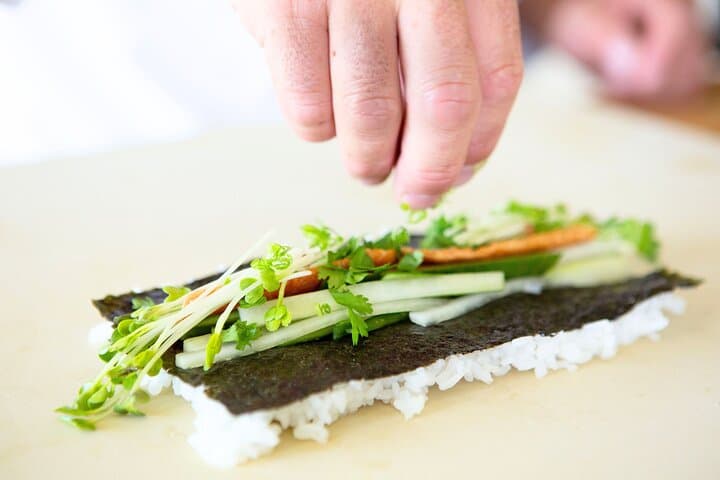
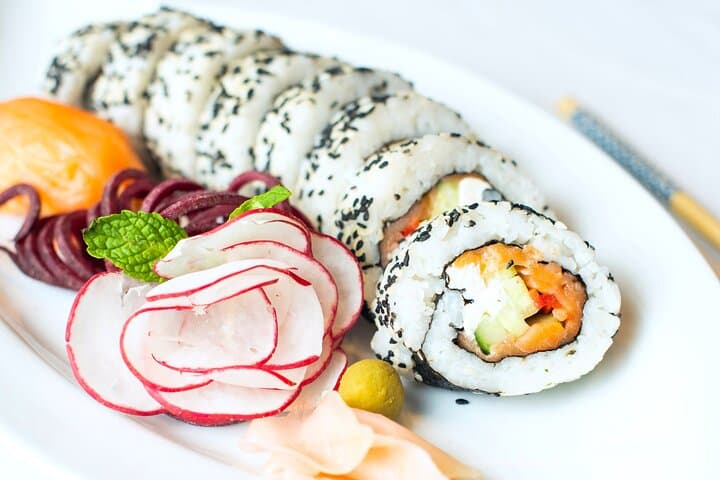
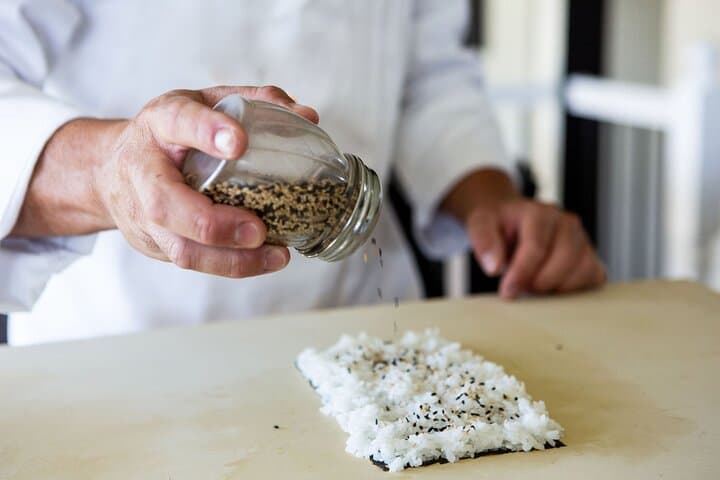
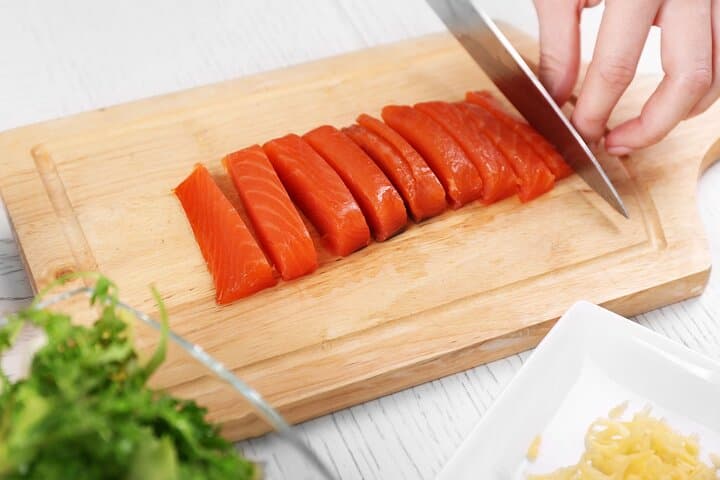
Step inside a lively brewery-turned-classroom in Raleigh as the scent of seasoned sushi rice and toasted sesame cuts through the low murmur of conversation. Under Chef Lucas’s steady hands, sheets of nori become neat rolls, knives flick with practiced economy, and a communal counter fills with bright avocado, crisp cucumber, and ribbons of smoked salmon. The room feels like a kitchen laboratory where technique trumps theatrics.
Verified experiences and guided adventures in the surrounding area.
Operated by Classpop! · Raleigh, NC
Step inside a lively brewery-turned-classroom in Raleigh as the scent of seasoned sushi rice and toasted sesame cuts through the low murmur of conversation. Under Chef Lucas’s steady hands, sheets of nori become neat rolls, knives flick with practiced economy, and a communal counter fills with bright avocado, crisp cucumber, and ribbons of smoked salmon. The room feels like a kitchen laboratory where technique trumps theatrics.
Sushi’s roots travel from Edo-period Japan to global dining rooms; in Raleigh it arrives through modern interpretations and the city’s growing interest in ingredient-driven cooking. North Carolina’s coastal fisheries and urban farms both influence what local chefs source—expect conversations about sustainable fish, seasonal vegetables, and how Southern produce folds into Japanese forms. The class setting—a public brewery or wine bar—reflects Raleigh’s craft-food culture: informal, collaborative, and taste-forward.
Practical guidance: this two-hour, beginner-friendly workshop covers sushi rice, knife basics, and rolling two complete rolls (smoked salmon with daikon and soy-miso sesame; a crunchy vegetable roll with spicy boom boom sauce). Wear closed-toe shoes and dress in layers; you’ll be standing and leaning at a prep counter. Tell the host about allergies or dietary needs ahead of time; ingredients and tools are provided, and the venue is wheelchair accessible.
Leave with a fuller palate, photos, and step-by-step tips you can replicate at home. Whether you come solo, on a date, or with friends, expect hands-on instruction, tasty results, and practical kitchen skills that make home sushi doable.
easy.
2 hours.
Light—participants should be able to stand and work at a counter for about two hours.
No—this class is beginner-friendly and focuses on practical, repeatable techniques for anyone comfortable in a kitchen.
Yes—organizers ask that you disclose allergies or dietary needs when booking so they can adapt ingredients where possible.
Yes—the listing notes the venue and transportation options are wheelchair accessible; contact the host with specifics if you need assistance.
Yes—participants prepare and eat the rolls made during the class; recipes and tips are shared to help you recreate them at home.
Sushi arrived in American dining after WWII and evolved in cities like Raleigh through fusion and ingredient-driven kitchens; local chefs now blend coastal sourcing with international technique.
Ask about fish sourcing during class—many chefs prioritize sustainable seafood and reducing food waste, and instructors can suggest local vendors with responsible practices.
Classpop! operates guided outdoor trips and adventures with an emphasis on safety, stewardship, and memorable experiences.
Step inside a lively brewery-turned-classroom in Raleigh as the scent of seasoned sushi rice and toasted sesame cuts through the low murmur of conversation. Under Chef Lucas’s steady hands, sheets of nori become neat rolls, knives flick with practiced economy, and a communal counter fills with bright avocado, crisp cucumber, and ribbons of smoked salmon. The room feels like a kitchen laboratory where technique trumps theatrics.
Step inside a lively brewery-turned-classroom in Raleigh as the scent of seasoned sushi rice and toasted sesame cuts through the low murmur of conversation. Under Chef Lucas’s steady hands, sheets of nori become neat rolls, knives flick with practiced economy, and a communal counter fills with bright avocado, crisp cucumber, and ribbons of smoked salmon. The room feels like a kitchen laboratory where technique trumps theatrics.
Sushi’s roots travel from Edo-period Japan to global dining rooms; in Raleigh it arrives through modern interpretations and the city’s growing interest in ingredient-driven cooking. North Carolina’s coastal fisheries and urban farms both influence what local chefs source—expect conversations about sustainable fish, seasonal vegetables, and how Southern produce folds into Japanese forms. The class setting—a public brewery or wine bar—reflects Raleigh’s craft-food culture: informal, collaborative, and taste-forward.
Practical guidance: this two-hour, beginner-friendly workshop covers sushi rice, knife basics, and rolling two complete rolls (smoked salmon with daikon and soy-miso sesame; a crunchy vegetable roll with spicy boom boom sauce). Wear closed-toe shoes and dress in layers; you’ll be standing and leaning at a prep counter. Tell the host about allergies or dietary needs ahead of time; ingredients and tools are provided, and the venue is wheelchair accessible.
Leave with a fuller palate, photos, and step-by-step tips you can replicate at home. Whether you come solo, on a date, or with friends, expect hands-on instruction, tasty results, and practical kitchen skills that make home sushi doable.